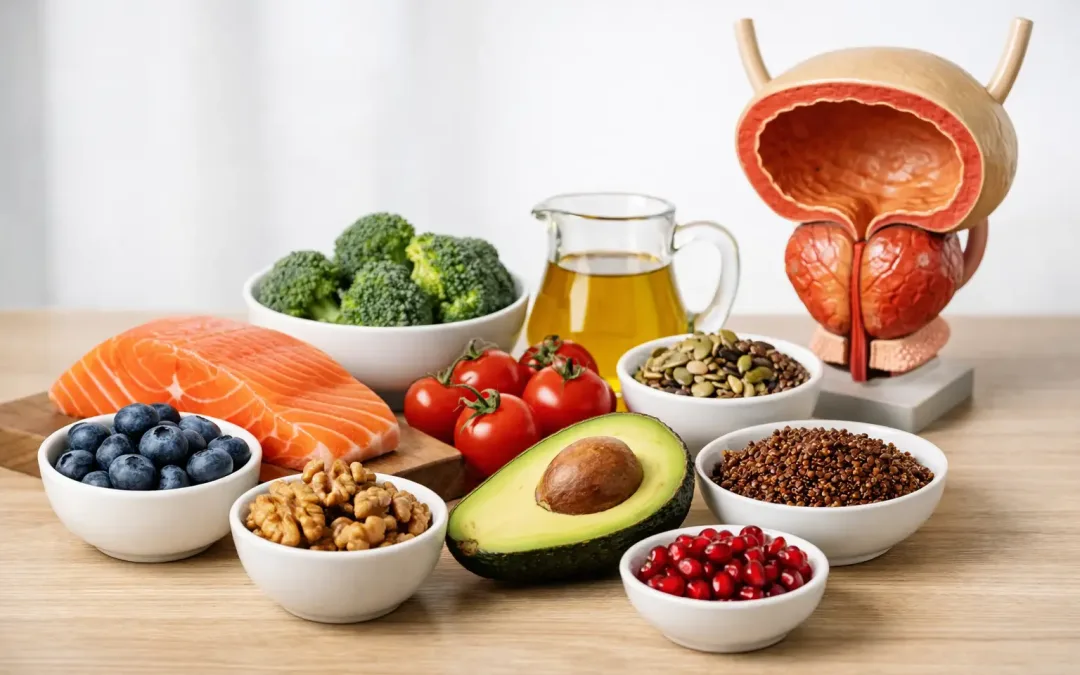
If your grocery cart is full of convenience food, beer snacks, and whatever is easiest after work, your prostate is probably not getting much help. The best foods for prostate health are not exotic or expensive. They are mostly the same foods that support your heart, waistline, blood sugar, and energy - which matters, because those systems are connected.
For men over 40 especially, prostate health stops being an abstract issue. Bathroom trips can increase. Sleep gets interrupted. You may start paying closer attention to inflammation, hormone balance, and long-term cancer risk. Food is not a magic shield, and it cannot replace screening or medical care, but it can shift the odds in your favor over time.
Why diet matters for prostate health
Your prostate is influenced by more than age and genetics. Chronic inflammation, excess body fat, insulin resistance, and poor cardiovascular health can all make the picture worse. That is one reason the best foods for prostate health tend to be rich in fiber, antioxidants, healthy fats, and anti-inflammatory compounds.
There is also a practical point here. Men often look for a single supplement to fix everything. Real food usually works better as a foundation because it affects multiple pathways at once. A tomato does not just provide one nutrient. Fatty fish does not just offer protein. These foods bring a package of compounds that may support normal cell function, circulation, and a healthier inflammatory response.
10 best foods for prostate health
1. Tomatoes
Tomatoes are one of the first foods that come up in prostate nutrition for good reason. They are rich in lycopene, a carotenoid that has been studied for its potential role in prostate protection. Cooked tomato products such as tomato sauce, paste, and soup may be especially useful because cooking makes lycopene easier for your body to absorb.
This does not mean you need to live on pasta sauce. It just means tomatoes are worth making a regular habit. Add them to eggs, chili, salads, or grain bowls. If you eat them with a little healthy fat, such as olive oil, absorption improves.
2. Fatty fish
Salmon, sardines, trout, and mackerel bring omega-3 fats that may help reduce inflammation. That matters because ongoing inflammation is one of the factors linked with poorer prostate and overall male health.
Fish also gives you high-quality protein without the baggage that often comes with heavily processed meats. If your usual protein rotation is bacon, sausage, and fast-food burgers, swapping in fish a couple of times a week is a smart move. It supports more than your prostate - it also helps your heart, which is a big win for erectile function and healthy aging.
3. Cruciferous vegetables
Broccoli, cauliflower, Brussels sprouts, cabbage, and kale contain compounds such as sulforaphane and indoles that have drawn attention for their role in healthy cell regulation. These vegetables are not glamorous, but they are one of the strongest upgrades you can make to a typical American diet.
If you hate overcooked broccoli, that is fair. Roast it until crisp at the edges, toss it into stir-fries, or shred cabbage into tacos and bowls. The goal is consistency, not suffering through bland vegetables.
4. Berries
Blueberries, strawberries, blackberries, and raspberries are packed with antioxidants that help your body deal with oxidative stress. Oxidative stress is part of the wear-and-tear process that can affect tissues throughout the body, including the prostate.
Berries are also a practical choice because they can replace lower-quality snacks and desserts. A bowl of berries with plain Greek yogurt does more for your long-term health than cookies eaten in front of the TV. That sounds obvious, but daily habits matter more than nutrition theory.
5. Pumpkin seeds
Pumpkin seeds are a strong pick for men because they provide zinc, magnesium, and plant compounds that may support urinary and prostate function. Zinc in particular plays an important role in male health, though more is not always better. Food sources are a safer bet than megadosing supplements unless your doctor tells you otherwise.
A small handful works as an easy snack, and they are simple to add to oatmeal, salads, or yogurt. Watch portions if you are trying to lose weight, since they are calorie-dense, but they are still a far better choice than chips.
6. Green tea
Green tea is not a food, but it belongs in this conversation. It contains catechins, which are plant compounds studied for antioxidant and anti-inflammatory effects. For men trying to clean up their routine, replacing sugary drinks with green tea is one of the easiest wins on the board.
It depends on your caffeine tolerance. Some men do better with it earlier in the day, especially if nighttime urination is already an issue. If caffeine bothers your bladder, decaf green tea can still be useful.
7. Legumes
Beans, lentils, and chickpeas do not get much attention in men’s health content, but they should. They are high in fiber, help with blood sugar control, and can lower your intake of processed meats when used as part of meals.
That trade-off matters. Diets heavy in processed and charred meats are generally not doing your prostate any favors. Using black beans in chili, lentils in soup, or chickpeas in grain bowls can improve the overall quality of your diet without making it feel restrictive.
8. Nuts
Walnuts, almonds, pistachios, and Brazil nuts offer healthy fats, minerals, and antioxidants. They are also convenient, which makes them more realistic than many “perfect” foods men never actually buy.
Walnuts are especially interesting because of their omega-3 content. Brazil nuts provide selenium, but portion control matters there. One or two is plenty, since too much selenium over time can create problems instead of benefits.
9. Pomegranate
Pomegranate contains polyphenols that may support vascular and cellular health. Research on prostate-specific effects is still evolving, so this is not a miracle food, but it fits well into a prostate-friendly pattern.
Whole pomegranate seeds are usually a better choice than sugary juice blends. If you buy juice, read the label. Many products marketed as healthy are basically sweet drinks with a health halo.
10. Olive oil
Olive oil is a staple of eating patterns linked to better long-term health. It can help shift your diet away from highly processed fats and works well with vegetables, fish, beans, and whole grains.
That is the real value here. Olive oil is not just healthy by itself. It makes healthy meals easier to cook and enjoy. When your food tastes better, you are more likely to stick with it.
Foods that may work against prostate health
Knowing what to add is useful, but what you reduce matters too. A diet built around processed meat, deep-fried food, excess sugar, and refined carbs tends to promote weight gain and inflammation. That is not a great setup for prostate health or for anything else men care about, including energy, testosterone, and sexual performance.
Dairy is a more mixed topic. Some studies have raised questions about very high dairy intake, especially full-fat or heavily processed forms, while others show a less clear relationship. You do not need to panic over Greek yogurt or occasional cheese. It makes more sense to look at your total diet pattern than obsess over one food.
Alcohol also depends on the man. Moderate intake may fit into a healthy lifestyle for some, but too much can worsen inflammation, sleep, weight control, and bathroom symptoms. If you already deal with frequent urination at night, alcohol can make it worse.
How to build a prostate-friendly diet without overthinking it
You do not need a perfect meal plan. A better approach is to make your default meals more favorable to your prostate. Think eggs with tomatoes and spinach instead of a drive-thru breakfast. Think salmon, roasted broccoli, and rice instead of pizza three nights a week. Think nuts or pumpkin seeds instead of vending machine snacks.
A simple rule helps: build more meals around plants, fish, beans, and healthy fats, and make processed meat and junk food less common. That pattern is easier to maintain than chasing superfoods.
Best foods for prostate health and the bigger picture
The best foods for prostate health can support the process, but they are not a substitute for paying attention to symptoms. If you have weak urine flow, pelvic discomfort, blood in the urine, pain, or major changes in bathroom habits, get checked. The same goes for regular screenings when they make sense for your age, family history, and risk level.
At Male Health Zone, the bigger message is simple: men do better when they stop treating health problems as something to deal with later. Your prostate responds to the same habits that help you stay leaner, sleep better, move better, and feel more in control. Start with your next grocery trip, not some imaginary perfect Monday.
This article contains general information about medical conditions and treatments. The information is not advice, and should not be treated as such. Click here for further information.