
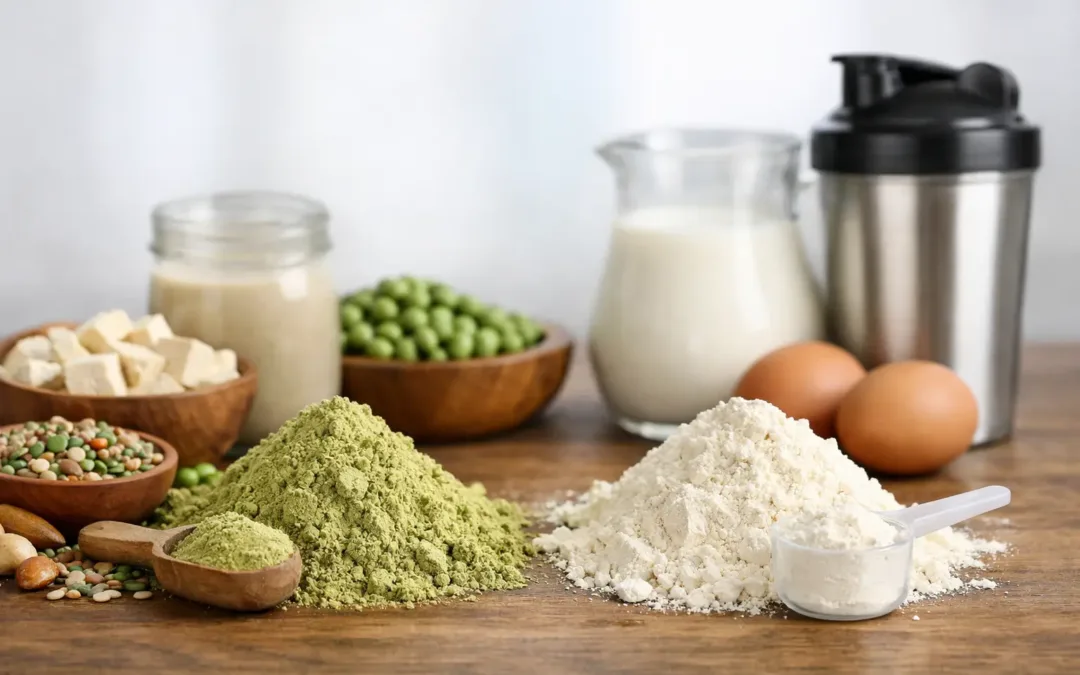
You finish a workout, reach for a shake, and hit the same question a lot of men do: plant protein vs whey - which one actually helps you build muscle, recover faster, and stay lean without wrecking your stomach? The short answer is that both can work. The better answer is that the right choice depends on your training goals, digestion, diet, age, and how consistent you can be with it.
For men trying to improve performance, body composition, and long-term health, this is not just a supplement debate. Protein powder is a convenience tool. What matters is whether it helps you hit your daily protein target, supports recovery, and fits your body well enough that you will keep using it.
Plant protein vs whey for muscle growth
If your main goal is building muscle, whey usually has the edge. It is a complete protein, naturally rich in essential amino acids, and especially high in leucine, the amino acid most tied to muscle protein synthesis. That makes whey a strong option after lifting, during a lean bulk, or any time you want efficient support for strength and size.
That said, plant protein is not automatically second-rate. Many modern blends combine pea, rice, pumpkin, or other plant sources to create a more complete amino acid profile. When the formula is well designed and the total dose is high enough, plant protein can support muscle growth effectively.
The key difference is efficiency. Whey tends to deliver more leucine per scoop, so you may need a slightly larger serving of plant protein to get the same muscle-building signal. For a younger guy training hard five days a week, that may not matter much if overall nutrition is solid. For a man over 40 trying to hold onto muscle while testosterone, recovery, and training volume shift, that small difference can matter more.
Recovery, satiety, and body composition
Whey is fast-digesting, which is one reason it became the standard post-workout protein. It gets absorbed quickly and pairs well with strength training or high-intensity exercise when you want amino acids available soon after your session.
Plant protein often digests more slowly, depending on the blend and added fiber. That can be useful if your goal is appetite control, steadier digestion, or replacing a snack in a calorie deficit. Men trying to lose fat while keeping muscle sometimes do well with plant protein because it feels heavier and more filling.
Still, this is not a rule. Some whey isolates are light and easy on the stomach, while some plant powders are loaded with gums, sweeteners, or fillers that leave you bloated. The label matters almost as much as the protein source.
Digestion is where the decision gets real
For a lot of men, the biggest reason to choose plant protein over whey has nothing to do with muscle science. It is stomach comfort.
Whey concentrate contains more lactose, which can be a problem if dairy leaves you gassy, bloated, or running to the bathroom. Whey isolate is lower in lactose and is often tolerated much better, so if you had issues with whey in the past, the form may have been the problem, not whey itself.
Plant protein is dairy-free, which makes it attractive for men with lactose intolerance or sensitive digestion. But plant powders are not always easier. Some contain sugar alcohols, inulin, chicory root, or thickening agents that can cause just as much bloating as dairy.
If digestion is a regular issue for you, the best move is practical: test one clean whey isolate and one simple plant blend for two weeks each. Watch how you feel, not just how the macros look. A protein powder that looks perfect on paper is worthless if it makes you feel bad enough to avoid using it.
What about testosterone and hormones?
This is where confusion gets loud fast. Some men worry that soy-based plant protein could lower testosterone or raise estrogen. For most healthy men, moderate soy intake does not appear to have a meaningful effect on testosterone levels. A scoop of plant protein is not going to wreck your hormones.
The more useful question is whether your overall diet supports male health. If your protein powder helps you stay consistent with total protein intake, manage weight, and support muscle mass, that can indirectly help with testosterone-friendly habits. Poor sleep, excess body fat, inactivity, and low overall protein are bigger threats to performance and hormone health than choosing plant over whey.
If you are still cautious, choose a plant blend based on pea and rice rather than soy. That gives you a simple workaround without turning the decision into a fear-based one.
Plant protein vs whey for men over 40
As men get older, maintaining muscle becomes more important. Muscle supports metabolism, insulin sensitivity, joint function, and physical independence. It also helps with how you look, how you move, and how strong you feel.
For men over 40, whey can be especially useful because of its high leucine content and strong anabolic response. If your appetite is lower, your training recovery takes longer, or you are trying to preserve muscle during fat loss, whey offers a very efficient way to get quality protein.
Plant protein can still work well, especially if dairy does not agree with you or you prefer a more plant-forward diet for heart health or digestion. You may simply need to be more intentional with serving size. Instead of a 20-gram scoop, a 30- to 40-gram serving may make more sense depending on the product.
That trade-off is worth understanding. Plant protein is not weaker in a dramatic sense. It just often requires a little more planning.
Which is better for weight loss?
Neither protein powder burns fat by itself. What protein does well is help control hunger, preserve muscle while dieting, and make meals more convenient. That matters because men often lose muscle along with fat when calories drop too low or protein intake slips.
Whey is usually better if you want a lean, low-calorie, high-protein option that mixes easily and fits around training. Plant protein may be better if satiety is your biggest challenge and you want something that keeps you full longer.
The bigger factor is whether the shake replaces low-quality calories. If your afternoon protein shake helps you skip vending machine snacks, late-night junk food, or a fast-food breakfast, it is doing real work.
Quality matters more than marketing
A lot of protein powders sound healthier than they are. Some are packed with added sugars, artificial flavors, cheap filler ingredients, and underdosed protein. Others hide behind labels like natural, clean, or performance formula without offering much actual value.
When comparing plant protein vs whey, look at a few basics. Check the grams of protein per serving, total calories, added sugar, ingredient length, and whether the product uses a blend or a single source. If you choose plant protein, a blend usually gives you a better amino acid profile than a single-source formula. If you choose whey, isolate is often the cleaner pick for men who want more protein with less lactose and fewer carbs.
Also be honest about taste. If it tastes terrible, you will not stick with it. Consistency beats perfection.
So which one should you choose?
Choose whey if your top priorities are muscle gain, post-workout recovery, high leucine content, and efficient protein intake. It is usually the stronger performance option, especially for men lifting regularly or trying to maintain muscle as they age.
Choose plant protein if you avoid dairy, deal with lactose intolerance, prefer a plant-based diet, or want a shake that may feel more filling. It can absolutely support muscle and recovery when the formula is solid and the dose is sufficient.
If you want the most honest answer, the winner is the one you digest well, use consistently, and build your daily nutrition around. Protein powder is not your foundation. It is support. Your real results still come from total protein intake, resistance training, sleep, and body-weight control.
A smart move is to stop treating this like a loyalty test. Use whey when it fits. Use plant protein when it fits. The goal is not to defend a tribe. The goal is to give your body what it needs to stay strong, lean, and capable for the long run.
If one scoop a day helps you train harder, recover better, and stay on track with your health, that is a decision worth making well.
This article contains general information about medical conditions and treatments. The information is not advice, and should not be treated as such. Click here for further information.

