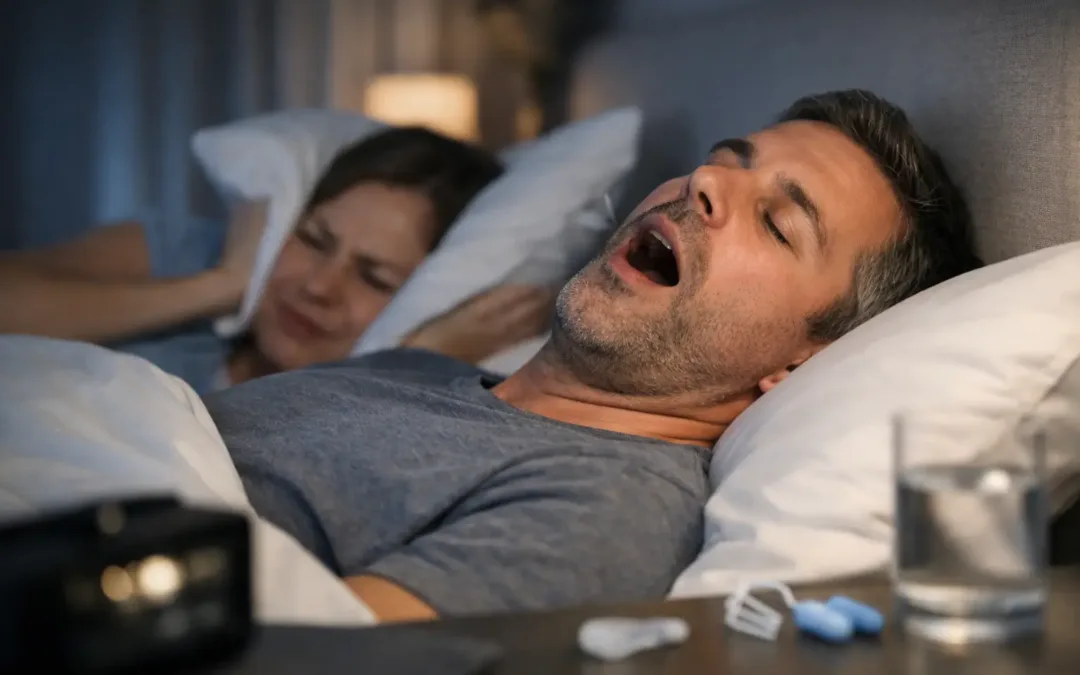
A partner may hear it first: the room-shaking snore, the sudden quiet pause, then the sharp gasp that follows. So, why do men snore loudly? Usually, it comes down to airway anatomy, body weight, sleep habits, and nasal breathing. But loud snoring is not always just a nighttime annoyance. For some men, it is an early warning sign of obstructive sleep apnea, a condition that can affect energy, blood pressure, heart health, and sexual function.
Snoring is common, especially as men get older. It is also something worth taking seriously when it is frequent, disruptive, or paired with daytime fatigue. The goal is not to feel embarrassed about it. The goal is to figure out what is narrowing your airway and take practical steps to breathe and sleep better.
Why Do Men Snore Loudly More Often?
Snoring happens when air struggles to move freely through the nose and throat during sleep. The soft tissues in the upper airway, including the soft palate, tongue, and throat walls, vibrate as air passes by. The tighter the airway, the louder that vibration can become.
Men tend to have larger necks and upper airways than women, but they also tend to carry more fat around the neck, tongue, and upper body. That tissue can put pressure on the airway when the muscles relax during sleep. Male hormones and differences in airway structure may also help explain why men are more likely to snore and develop sleep apnea, particularly in middle age.
Loudness alone does not diagnose a medical problem. A man with a cold can snore loudly for a few nights, while another man may have quieter snoring but significant breathing interruptions. The pattern matters more than the volume.
The Most Common Reasons for Loud Snoring in Men
Extra weight around the neck and abdomen
Carrying extra body fat is one of the strongest modifiable risk factors for snoring. Fatty tissue around the neck can narrow the upper airway, while abdominal weight can limit how freely the diaphragm and lungs move when lying down. Even a modest amount of weight loss can reduce snoring for some men, although it will not solve every case.
This is not about chasing a certain look. It is about reducing mechanical pressure on the airway and improving sleep quality, energy, and long-term cardiovascular health at the same time.
Alcohol, sedatives, and late-night relaxation habits
Alcohol relaxes the throat muscles that normally help keep the airway open. A few drinks close to bedtime can turn occasional snoring into a much louder, more frequent problem. Sleep medications, sedatives, and some muscle-relaxing drugs can have a similar effect.
The trade-off is straightforward: alcohol may make you feel sleepy faster, but it can fragment sleep later in the night and worsen breathing. If you snore, try finishing alcohol at least three to four hours before bed and notice whether your partner reports a difference.
Sleeping on your back
Back sleeping allows the tongue and soft palate to fall backward toward the throat. For many men, that is enough to create the familiar saw-like sound of snoring. Side sleeping will not fix every airway issue, but it is a low-risk change that often helps.
A body pillow, a supportive wedge, or a simple strategy to prevent rolling onto your back may reduce snoring. If snoring is severe in every position, however, do not assume positional changes are enough.
Nasal congestion or structural blockage
Seasonal allergies, chronic sinus inflammation, a deviated septum, nasal polyps, and frequent colds can all make nasal breathing harder. When the nose is blocked, you are more likely to breathe through your mouth. That can increase throat vibration and dry out the airway.
Addressing allergies, using saline rinses, and discussing persistent nasal blockage with a clinician can be worthwhile. Over-the-counter decongestant sprays should not become a long-term habit because they can cause rebound congestion when overused.
Smoking and airway irritation
Smoking irritates and inflames the tissues of the nose and throat. It also raises the risk of chronic coughing and respiratory problems that can interfere with restorative sleep. Quitting can improve far more than snoring, including circulation, exercise capacity, erectile function, and heart health.
Age and declining muscle tone
As men age, the throat muscles can lose some of the tone that helps hold the airway open. Weight gain, less physical activity, alcohol use, and certain health conditions can compound that change. Snoring that starts or gets noticeably worse after 40 deserves attention, especially when it comes with reduced stamina or morning headaches.
When Loud Snoring May Be Sleep Apnea
Obstructive sleep apnea occurs when the airway repeatedly narrows or closes during sleep. The brain briefly wakes the body enough to restart breathing, often without the person remembering it. That means a man can spend seven or eight hours in bed yet wake up feeling like he barely slept.
Watch for loud snoring combined with witnessed pauses in breathing, choking or gasping during sleep, morning headaches, dry mouth, irritability, trouble concentrating, or strong daytime sleepiness. Waking often to urinate can also occur, although it has many possible causes, including prostate and bladder issues.
Sleep apnea matters because repeated oxygen drops and stress responses can raise the risk of high blood pressure, irregular heart rhythms, stroke, insulin resistance, and depression. It is also associated with erectile dysfunction. Poor sleep can lower daytime drive and make weight management harder, creating a cycle that works against your health goals.
Not every man with sleep apnea is overweight, and not every loud snorer has sleep apnea. That is why a proper evaluation matters. A clinician may recommend a home sleep test or an overnight sleep study based on your symptoms and risk factors.
Practical Ways to Reduce Snoring
Start with the changes that improve both airway function and overall health. Give each change enough time to show whether it works, and ask your partner to help track what they notice.
- Sleep on your side and keep your head slightly elevated if that feels comfortable.
- Avoid alcohol, sedatives, and heavy meals close to bedtime.
- Work toward a healthier body weight through consistent nutrition and activity, not crash dieting.
- Treat nasal allergies or congestion and get persistent blockage checked.
- Keep a regular sleep schedule and aim for enough sleep, since severe fatigue can worsen airway muscle relaxation.
Exercise deserves a place in the plan even if you are not trying to lose weight. Regular aerobic training and strength work support weight control, circulation, stress management, and sleep quality. The best routine is one you can maintain three months from now, not an aggressive program that lasts two weeks.
Some men try nasal strips, mouth tape, or anti-snoring mouthpieces. Nasal strips may help if nasal congestion is the main issue, but they will not treat throat-based obstruction or sleep apnea. Mouth tape is not a good idea if you have nasal blockage, breathing concerns, or suspected sleep apnea. Oral appliances can help selected men, but a dentist trained in sleep medicine should fit them properly.
If sleep apnea is diagnosed, treatment may include CPAP therapy, a custom oral appliance, positional therapy, weight management, or treatment for nasal and throat obstruction. CPAP can take adjustment, but many men notice better energy, clearer thinking, and fewer nighttime wake-ups once they use it consistently.
When to Talk With a Doctor
Make an appointment if your snoring is loud most nights, your partner notices breathing pauses, or you are regularly exhausted despite enough time in bed. Seek prompt medical care for chest pain, severe shortness of breath, or dangerous sleepiness while driving or operating machinery.
Bring useful details to the visit: when the snoring began, whether it happens in every position, alcohol or medication use, weight changes, and any reports of gasping or breathing pauses. This gives your clinician a clearer starting point than simply saying, “I snore.”
Loud snoring can put stress on a relationship, but it can also be a useful signal from your body. Treat it as a performance issue worth investigating. Better breathing at night can support better training, sharper focus, healthier blood pressure, and more energy for the parts of life that matter when you are awake.
This article contains general information about medical conditions and treatments. The information is not advice, and should not be treated as such. Click here for further information.