
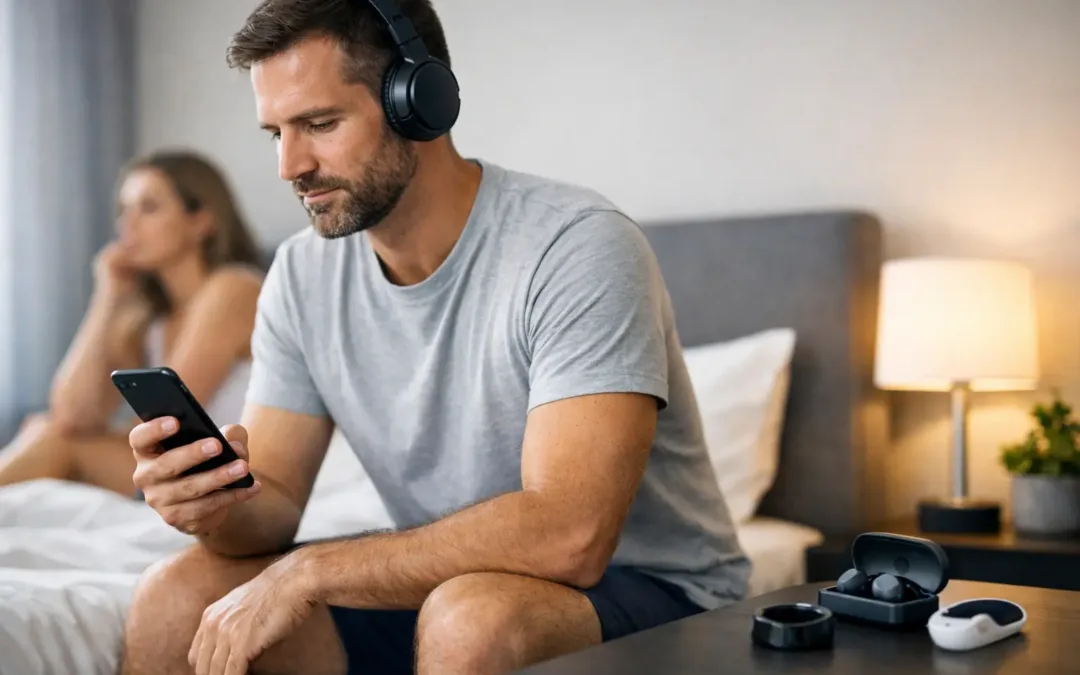
A prescription can improve the physical mechanics of an erection, but it cannot always address the pressure, habits, relationship tension, or health behaviors that affect sexual performance. That is where digital therapy ED programs may fit in. These app-based or online programs can give men private, structured support for erectile dysfunction, particularly when stress, confidence, communication, or lifestyle factors are part of the picture.
They are not magic, and they are not a replacement for a medical evaluation. But used alongside appropriate medical care, digital therapy can help some men build the skills that make sexual health treatment more effective and sustainable.
What Does Digital Therapy ED Mean?
Digital therapy ED generally refers to online programs designed to support erectile dysfunction care through education, guided exercises, coaching, therapy, symptom tracking, or telehealth access. Some focus on behavioral techniques based on cognitive behavioral therapy (CBT). Others combine mental health support with pelvic floor training, lifestyle coaching, medication management, or visits with a licensed clinician.
The idea is straightforward: erectile dysfunction is often more than a blood-flow issue. Erections depend on circulation, nerves, hormones, sexual stimulation, emotional state, sleep, medication use, and relationship dynamics. A digital program cannot diagnose every cause from a questionnaire, but it can help you work on the parts of sexual function that are influenced by behavior and mindset.
For a man who has started avoiding sex after a few disappointing experiences, that support can matter. Worry about losing an erection raises stress, stress activates the body's fight-or-flight response, and that response works against arousal. The result can become a frustrating cycle of performance anxiety.
When Digital Therapy for ED Can Help Most
Digital therapy tends to be most useful when ED is situational, recent, or clearly tied to stress and confidence. For example, a man may have normal morning erections but struggle during partnered sex. He may have developed symptoms during a stressful job change, after becoming a new parent, or following a period of relationship conflict. In those cases, the psychological component may be significant.
It may also help men who are already using an ED medication but want better results. Medication can support blood flow, yet it does not automatically resolve rushed intimacy, fear of failure, low desire, poor communication, or unrealistic expectations shaped by pornography. A structured digital program may help a couple slow down, reduce goal-focused sex, and rebuild confidence without treating every encounter as a test.
Men with mild ED linked to inactivity, poor sleep, excess weight, smoking, heavy alcohol use, or unmanaged stress may benefit from programs that build healthier routines. Improving cardiovascular fitness, sleep quality, and metabolic health supports erections because penile blood vessels are sensitive to changes in circulation.
That said, digital support is less likely to be enough on its own when ED is persistent, severe, or caused by an untreated medical condition. Diabetes, high blood pressure, high cholesterol, cardiovascular disease, low testosterone, nerve damage, pelvic surgery, Peyronie's disease, and medication side effects can all play a role. ED can also be an early warning sign of vascular disease, especially in men under 60 who have no obvious explanation for a sudden change in function.
What a Quality Program Should Include
Not every app that mentions men's performance offers meaningful therapy. Some are primarily subscription services built around medication delivery. Others provide generalized wellness content with little personalization. Those services may still be convenient, but convenience is not the same as comprehensive care.
A higher-quality program should begin with real screening. It should ask about symptom duration, erections during sleep or masturbation, libido, mental health, medications, alcohol and drug use, chronic conditions, and cardiovascular risk. It should also make it clear when you need in-person care rather than keeping you inside an app.
Look for licensed medical or mental health professionals when clinical treatment is being offered. If the program uses therapy-based exercises, it should explain the method rather than making vague promises to “boost performance.” CBT-informed tools, mindfulness techniques, sensate-focus exercises, and communication guidance have a clearer purpose than generic motivation messages.
Privacy deserves attention, too. Sexual health information is personal. Read how the company handles medical information, whether it uses secure messaging, and what happens to your data if you cancel. Be cautious about programs that lean heavily on testimonials while providing little information about clinician involvement, safety screening, or costs.
The Role of Pelvic Floor Training
Some digital ED programs include pelvic floor exercises, often called Kegels. The pelvic floor muscles help support erectile rigidity and ejaculation control, so strengthening weak muscles may help certain men. This is especially relevant after prostate treatment or when pelvic floor weakness is contributing to symptoms.
More exercise is not always better. Men who already carry substantial pelvic tension may need to learn relaxation and coordination, not simply do hundreds of contractions. Pelvic pain, urinary urgency, pain with ejaculation, or tightness in the hips and pelvic area are reasons to consider an evaluation with a pelvic floor physical therapist. An app can provide basic instruction, but it cannot assess your muscle function as precisely as a trained professional.
Digital Therapy Is Not a Substitute for a Health Check
The biggest mistake is assuming ED is purely psychological because you feel stressed. Stress can absolutely affect erections, but physical and emotional causes commonly overlap. A man with borderline blood pressure, poor sleep, work stress, and a new medication may have several contributing factors at once.
Schedule a medical appointment if ED lasts more than a few weeks, happens consistently, or affects your confidence and relationship. A clinician can review your health history and determine whether blood pressure checks, blood sugar testing, cholesterol testing, hormone testing, or medication changes make sense. Do not stop prescribed drugs on your own, even if you suspect they are affecting sexual function.
Seek urgent medical care for an erection lasting more than four hours, chest pain during sex, sudden ED with other neurological symptoms, or penile pain and major new curvature. Those situations need more than online coaching.
How to Use Digital Support Without Getting Stuck in Your Head
If you choose a digital therapy program, approach it as training rather than a pass-fail scorecard. Complete the lessons, but do not turn every exercise into another reason to monitor your erection. Constantly checking whether you are “performing” keeps attention on anxiety instead of pleasure and connection.
Use the program to identify patterns. Notice whether symptoms change with sleep, alcohol, work stress, exercise, relationship conflict, or the timing of medication. These details are useful for you and useful for a clinician. They can reveal whether the problem is more situational or more consistently physical.
If you have a partner, honest communication can reduce pressure quickly. You do not need a dramatic speech. A simple conversation such as, “I have been stressed about this, and I want us to take the pressure off,” can make intimacy feel less like an exam. ED is common, and treating it as a shared health issue is usually more productive than withdrawing in silence.
It also helps to build the basics that support vascular and sexual health: regular aerobic exercise, resistance training, enough sleep, a diet centered on minimally processed foods, less smoking, and moderate alcohol use. These habits will not fix every case overnight, but they improve the foundation that erections rely on.
A Practical Standard for Better ED Care
Digital therapy can be a useful tool for men who want privacy, structure, and support between medical visits. Its strongest role is helping you reduce performance anxiety, improve communication, practice healthier routines, and follow through with treatment. Its weakest role is pretending that a complex health symptom can be solved by a few generic app prompts.
Take ED seriously without letting it define you. Getting a proper evaluation, addressing the factors you can control, and using qualified support when you need it is a direct move toward stronger sexual health and greater confidence.
This article contains general information about medical conditions and treatments. The information is not advice, and should not be treated as such. Click here for further information.

