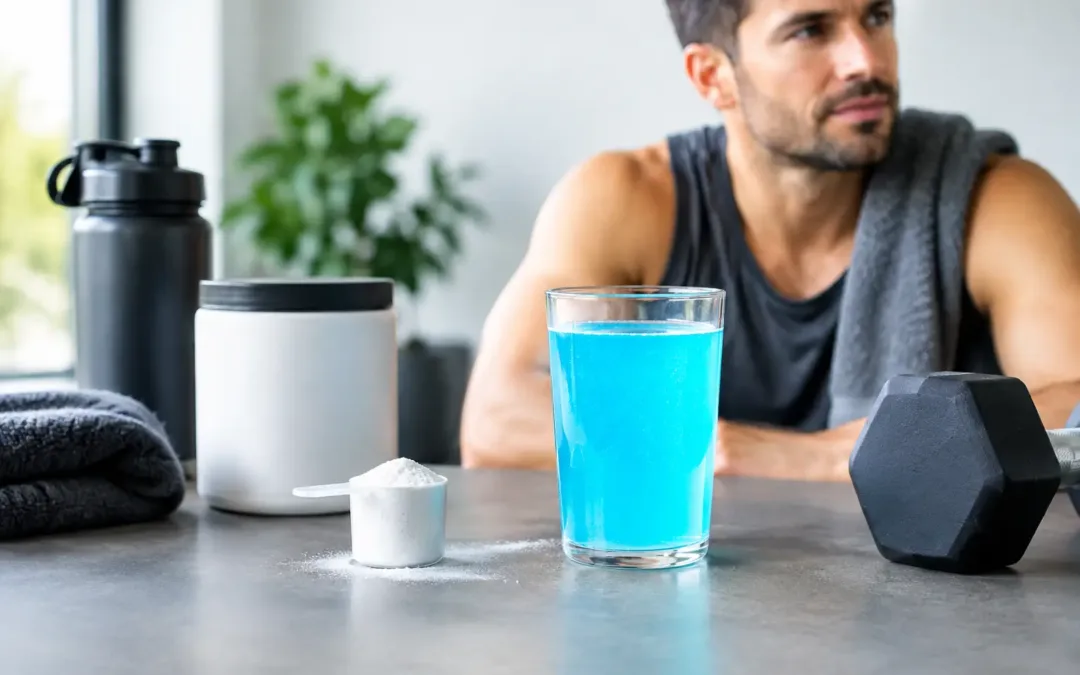
A hard training session can leave you sweating through your shirt, cramping late in the workout, and feeling flat long after you have finished. That does not automatically mean you need an electrolyte drink. This electrolyte powders review breaks down when these products earn a place in your routine, what separates a useful formula from expensive flavored salt, and how men can choose one based on training, heat exposure, and health needs.
What electrolyte powders actually do
Electrolytes are minerals that carry an electrical charge in the body. Sodium, potassium, magnesium, calcium, chloride, and phosphate help regulate fluid balance, muscle contractions, nerve signaling, and blood pressure. You lose some of them in sweat, especially sodium.
For the average man who lifts for 45 minutes in a climate-controlled gym, water and a balanced diet usually cover the basics. The case for a powder gets stronger when you train hard for more than an hour, exercise outdoors in hot or humid weather, work a physically demanding job, or sweat heavily enough to leave white salt marks on your clothes.
The biggest performance benefit is usually not a mysterious energy boost. It is better fluid retention. Sodium helps your body hold onto the water you drink rather than sending much of it straight to the bathroom. If dehydration is cutting into your endurance, concentration, or recovery, that can matter.
Electrolyte powders review: what matters on the label
The front of the tub may promise hydration, energy, focus, or recovery. Turn it around. The nutrition label tells you whether the product is built for actual sweat loss or for light everyday use.
Sodium is the main number to check
Sodium is often treated as something every man should avoid, but that is too simplistic. Men who sweat heavily can lose a significant amount of sodium during a long run, pickup game, hike, or summer work shift. For these situations, a powder with roughly 300 to 700 milligrams of sodium per serving is a practical middle ground. Some high-sweat formulas provide 1,000 milligrams or more, which may suit endurance athletes or men training for hours in serious heat.
More sodium is not automatically better. If you are doing a short workout, sitting at a desk most of the day, or already eat plenty of restaurant and packaged food, a high-sodium powder may be unnecessary. Men with high blood pressure, heart failure, kidney disease, or a clinician-directed sodium limit should get personalized advice before making a high-sodium mix a daily habit.
Potassium and magnesium are supporting players
Potassium supports normal muscle and nerve function, but most powders contain modest amounts compared with food. Potatoes, beans, yogurt, leafy greens, fruit, and fish remain better ways to build your daily intake. A product with 100 to 300 milligrams of potassium can be a reasonable addition, but do not expect it to correct a poor diet.
Magnesium gets attention because of its role in muscle function and energy metabolism. A small amount may be useful, particularly if your diet is low in magnesium-rich foods. Still, high doses of certain forms can cause loose stools. That is the last thing you want before a long run or a workday. If a powder provides a large magnesium dose, test it at home first.
Sugar depends on the job
Sugar-free powders work well for shorter sessions, low-carb eating plans, and men who simply want flavor and sodium to encourage drinking. They are also useful if you are trying to manage calorie intake or blood sugar.
During prolonged endurance work, some carbohydrate can be an advantage. Glucose helps the intestine absorb sodium and water, and it provides usable fuel when muscle glycogen is dropping. For a long bike ride, distance run, tournament, or demanding hike, a powder with 15 to 30 grams of carbohydrate per serving may beat a zero-calorie formula.
The trade-off is straightforward: sugary mixes can support long-duration performance, but they are not a free pass to drink sweet calories all day. Match the formula to the session rather than choosing based on the loudest marketing claim.
Which type fits your routine?
A low-calorie daily hydration powder usually contains light sodium, a little potassium, and no meaningful fuel. It can make sense for men who struggle to drink water, travel often, or spend time in dry climates. Think of it as flavored hydration with a functional edge, not a replacement for meals or a cure for fatigue.
A performance formula has more sodium and often some carbohydrate. This is the stronger choice for long cardio sessions, field sports, manual labor in the heat, or men who consistently sweat heavily. It is less appropriate as an all-day beverage if your activity level is low.
A high-sodium endurance formula is more specialized. These products can be valuable for marathoners, cyclists, ultrarunners, and men who have a known history of heavy salt loss. They can also taste intensely salty, which is not a defect if you need the sodium, but it is a poor fit for casual gym use.
Finally, some powders market themselves as hydration plus pre-workout. Caffeine, creatine, amino acids, and vitamins may be included. These extras can be useful in the right context, but they make it harder to know what is helping. If hydration is your goal, a simpler formula gives you more control. You can always take creatine or coffee separately.
Red flags that lower a powder's value
A short ingredient list is not always superior, but a long one should make you ask better questions. Be cautious with proprietary blends that hide individual mineral amounts, massive vitamin doses that offer no clear hydration benefit, and products that lean on vague claims such as detox or cellular hydration without explaining the formula.
Also consider how the powder feels in your gut. Sugar alcohols, large magnesium doses, very high sodium, and concentrated mixes can cause bloating or diarrhea for some men. A good product is one you can tolerate when you need it most. Start with half a serving in more water than the label suggests, then adjust based on taste, thirst, stomach comfort, and the length of your workout.
Taste matters more than people admit. If a powder is so sweet, salty, or artificial that you avoid drinking it, it is not helping your hydration. Buy a small container or sample size before committing to a bulk tub.
How to use electrolyte powders without overthinking it
For a typical strength workout under an hour, drink water before and during training, then eat a normal meal afterward. Add an electrolyte powder if the gym is hot, you are drenched in sweat, or you know you feel better with one.
For longer or hotter sessions, begin hydrated instead of trying to fix everything mid-workout. Drink according to thirst, use the powder as directed, and avoid forcing excessive plain water if you are sweating for hours. Overdrinking water without replacing sodium can be dangerous in extreme endurance situations.
A simple way to personalize your approach is to weigh yourself before and after a hard session occasionally. A drop in body weight suggests fluid loss. Large changes, persistent headaches, dizziness, nausea, confusion, or severe cramping deserve more than another scoop of powder. Stop exercising, cool down, and seek medical care when symptoms are severe or do not improve.
Men taking diuretics, blood pressure medication, ACE inhibitors, ARBs, or potassium-sparing drugs should be especially careful with electrolyte products. So should anyone with kidney or heart disease. Potassium and sodium are not casual supplements when medical conditions or prescription medications affect fluid balance.
The practical verdict
The best electrolyte powder is not necessarily the most expensive, cleanest-looking, or highest in every mineral. For most active men, choose a formula with enough sodium for the amount you sweat, a sugar level that matches the length of your session, and ingredients your stomach handles well.
Use it when sweat loss gives it a real job to do. On ordinary days, water, protein-rich meals, fruits, vegetables, and adequate sleep will do more for your energy than turning every bottle of water into a supplement ritual. Save the powder for the heat, the long miles, and the sessions where better hydration can genuinely help you perform like the man you are working to become.
This article contains general information about medical conditions and treatments. The information is not advice, and should not be treated as such. Click here for further information.