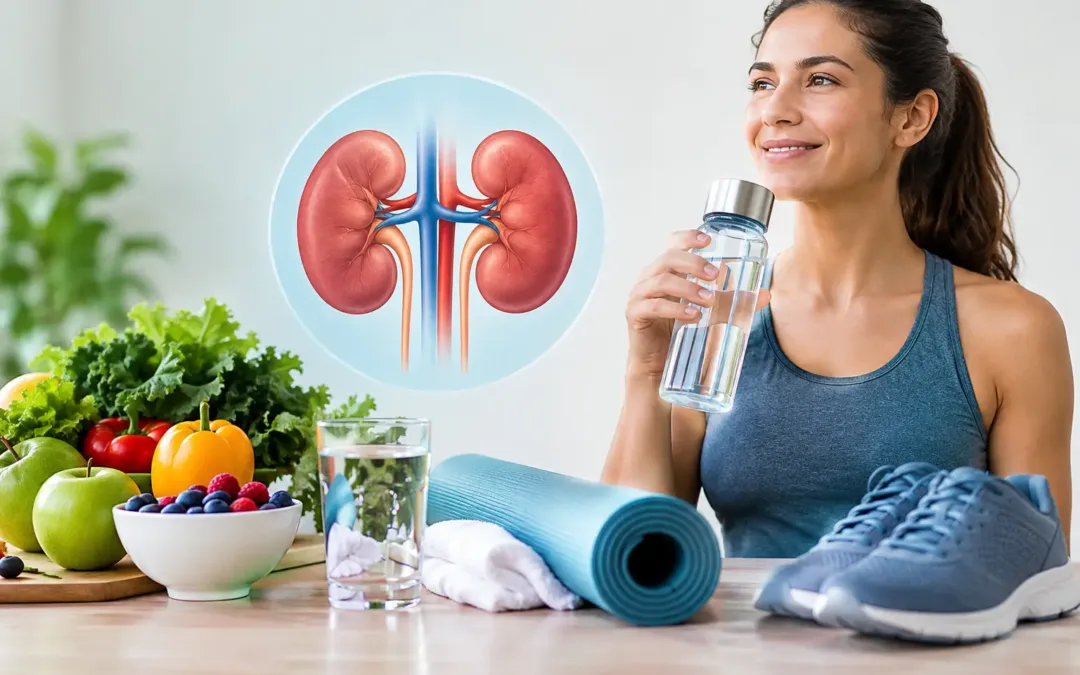
A kidney stone can stop a productive week in its tracks. The pain is often sudden, intense, and impossible to power through. The good news is that learning how to prevent kidney stones is usually less about extreme restrictions and more about getting a few daily habits right - especially hydration, food choices, and smart supplement use.
Kidney stones are hard mineral deposits that form when your urine becomes too concentrated or contains high levels of stone-forming substances. Men are more likely than women to develop them, and a first stone can raise the odds of another. Prevention is worth taking seriously, whether you have had a stone before or want to avoid your first one.
How to Prevent Kidney Stones Starts With Your Water Bottle
For most men, the single most effective move is to drink enough fluid to produce plenty of pale-yellow urine throughout the day. When you are dehydrated, minerals such as calcium, oxalate, and uric acid become more concentrated. That gives crystals a better chance to form and grow.
A common target is enough fluid to produce at least 2 to 2.5 liters of urine daily. In real life, that often means drinking roughly 2.5 to 3 liters of fluid, or more if you exercise hard, work outdoors, use a sauna, or live in a hot climate. Your needs can be higher than average if you sweat heavily.
Do not try to make up for a dry day by chugging water at night. Spread fluids across the day, starting soon after waking and continuing through workouts, meetings, errands, and meals. Keeping a reusable bottle in sight works better than relying on thirst alone, because thirst often shows up after you are already behind.
Water should do most of the work. Coffee and tea can contribute to total fluid intake, but go easy on sugary drinks. Regular soda may raise stone risk, particularly when it contains high-fructose corn syrup. Alcohol can also leave you dehydrated if it replaces water or follows a hard workout.
Eat Enough Calcium, but Pair It With Meals
One of the most common mistakes is cutting calcium after a calcium-based kidney stone. That sounds logical, but it can backfire. Most stones are calcium oxalate stones, and getting too little calcium from food can leave more oxalate available for your kidneys to absorb.
For many men, calcium from food is protective because it binds to oxalate in the digestive tract before oxalate reaches the urine. Dairy products, calcium-fortified foods, canned fish with bones, and certain greens can help you meet your needs. The key is to have calcium-containing foods with meals, especially meals that include higher-oxalate foods.
Calcium supplements are different. They are not automatically harmful, but high-dose supplements may increase risk in some people, particularly when taken away from food. If you use one for bone health or another medical reason, ask your clinician about the dose and timing instead of guessing.
Watch the High-Oxalate Foods You Eat Most Often
Oxalate is a natural compound found in many nutritious foods. You do not need to fear every spinach leaf or abandon healthy eating. But if you have had calcium oxalate stones, frequent large portions of high-oxalate foods can matter.
Spinach, beets, rhubarb, almonds, peanuts, sesame, wheat bran, and dark chocolate are common high-oxalate examples. The issue is usually repetition and portion size, not the occasional serving. A daily large spinach smoothie packed with almond butter and cocoa is more concerning than a balanced meal containing one of those ingredients.
A practical approach is to rotate your greens, vary your nuts, and combine higher-oxalate foods with a source of calcium. For example, yogurt with berries may be a better routine than an oversized spinach-and-almond smoothie every morning. This lets you keep nutrition quality high without feeding the same stone risk day after day.
Cut Back on Salt to Protect Your Kidneys
A high-sodium diet causes your body to send more calcium into the urine. More urinary calcium can create the conditions for calcium stones, while also working against blood pressure and cardiovascular health.
Most sodium comes from restaurant meals, packaged snacks, cured meats, frozen convenience foods, sauces, and fast food - not just the salt shaker. If you regularly train, you do need to replace sodium lost through heavy sweating. But that does not mean a high-sodium processed-food diet is useful or necessary.
Aim to make most meals from basic ingredients, compare nutrition labels, and use flavor from citrus, herbs, garlic, pepper, and spices. For men with high blood pressure, kidney stone prevention and heart protection often point in the same direction.
Keep Animal Protein in the Right Range
Protein supports muscle, recovery, and healthy aging, but more is not always better for stone prevention. Large amounts of red meat, organ meats, shellfish, and other animal proteins can raise uric acid and reduce citrate in urine. Citrate is a natural substance that helps prevent crystals from sticking together.
This does not mean you need to go vegetarian. It means your protein plan should fit your size, training volume, and health goals rather than being built around oversized portions at every meal. Mix in protein from eggs, dairy, beans, lentils, tofu, and fish, and reserve organ meats or very large meat servings for occasional meals.
If you follow a high-protein cutting diet, bodybuilding plan, or carnivore-style approach and have a stone history, talk with a registered dietitian or urologist. The right adjustment depends on the kind of stone you form, your kidney function, and your overall nutrition needs.
Use Citrus as a Simple Citrate Boost
Citrus fruits contain citrate, which may help lower the risk of some kidney stones. Lemon and lime juice are especially convenient additions to water, sparkling water, or meals. Unsweetened lemonade made with real lemon juice can be a useful option if it helps you drink more fluid without loading up on sugar.
Citrus is supportive, not a replacement for prescribed treatment. If your urine citrate is significantly low or you have recurrent stones, a clinician may recommend potassium citrate or another targeted therapy. Supplements and prescription options should be based on testing, not social-media advice.
Be Careful With Supplements and Mega-Doses
Supplements can support health, but some can cause problems when taken in excessive amounts. High-dose vitamin C can raise urinary oxalate in susceptible people. Large vitamin D doses may affect calcium handling, especially when combined with calcium supplements. Weight-loss products, pre-workouts, and herbal blends can also contain ingredients that are poorly regulated or dehydrating.
That does not mean every supplement is risky. It means you should know why you take each one and avoid treating more as better. Bring your full supplement list to a medical appointment if you have had stones, including powders, gummies, electrolyte mixes, and performance products.
Maintain a Healthy Weight and Manage Metabolic Health
Excess body weight, insulin resistance, type 2 diabetes, and gout can all raise kidney stone risk. These conditions can change urine pH and increase uric acid, making certain stones more likely. The same habits that improve body composition often help here: regular movement, enough sleep, fewer sugary drinks, sensible portions, and a diet built around minimally processed foods.
Do not chase rapid fat loss through severe dehydration, extreme fasting, or aggressive diuretic use. A temporary drop on the scale is not worth concentrated urine and reduced training performance. Consistent progress is safer for your kidneys and more sustainable for your physique.
Know When Prevention Needs Medical Testing
If you pass a stone, save it if possible and ask whether it can be analyzed. Stone composition matters. Calcium oxalate stones, uric acid stones, struvite stones, and cystine stones have different drivers and may need different prevention plans.
See a clinician promptly for severe side or back pain, fever, chills, vomiting, blood in the urine, trouble urinating, or pain with signs of infection. Fever plus a blocked urinary tract can be an emergency. You should also seek evaluation if stones keep returning, you have one kidney, or you have a family history of recurrent stones.
For repeat stone formers, a 24-hour urine test can reveal whether the issue is low urine volume, high calcium, high oxalate, low citrate, high uric acid, or another factor. That turns prevention from generic advice into a plan built around your physiology.
Your next kidney stone prevention win does not need to be dramatic. Fill your water bottle, make one lower-sodium meal choice, and build a routine you can repeat when work, training, and life get busy. Those small moves can protect more than your comfort - they help you stay active, capable, and in control of your health.
This article contains general information about medical conditions and treatments. The information is not advice, and should not be treated as such. Click here for further information.