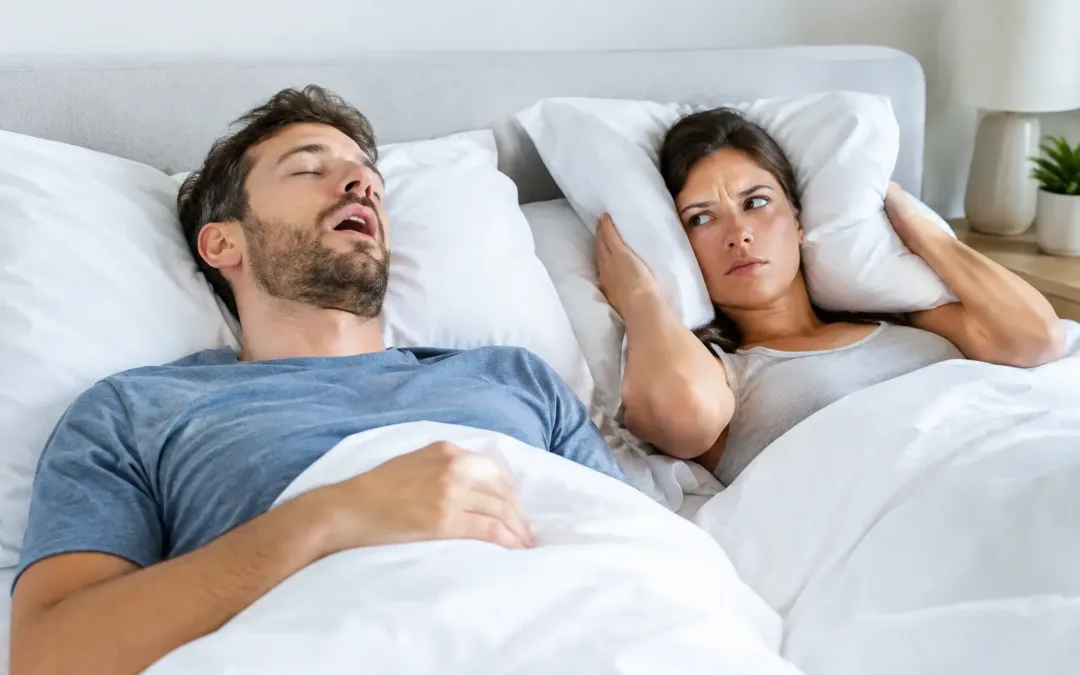
Snoring can turn a solid eight hours into a rough morning for you and anyone sharing the bed. The best sleep positions for snoring are not about looking perfect in bed. They are about keeping your airway more open so air can move with less vibration through your nose and throat.
For many men, the simplest change is also the most effective: stop sleeping flat on your back. But position is only one piece of the picture. Weight, alcohol, nasal congestion, pillow height, and sleep apnea can all affect how loudly and how often you snore.
Why Body Position Changes Snoring
Snoring happens when relaxed tissues in the upper airway vibrate as you breathe. When you sleep on your back, gravity lets your tongue and soft palate fall backward toward the throat. That narrows the airway, speeds up airflow, and creates the familiar rattling sound.
Men are especially likely to deal with this as they get older or gain weight around the neck and midsection. Larger neck circumference, reduced muscle tone in the throat, and alcohol-related muscle relaxation can all make a back-sleeping position more problematic.
Position will not fix every case. If your snoring comes from chronic nasal blockage, enlarged tonsils, or obstructive sleep apnea, you may need more than a new sleep setup. Still, changing how you sleep is a low-risk first move that can make a real difference.
Best Sleep Positions for Snoring
Side sleeping is the top choice for most men
Sleeping on your side is generally the best position for reducing snoring. It helps prevent the tongue from dropping back into the airway and can lessen pressure on the throat. Many people notice a difference within a few nights, particularly if their snoring is worst when they are on their back.
Either side can work, so choose the one you can maintain comfortably. Some research and clinical guidance suggest the left side may be useful for men who also deal with nighttime acid reflux, since it can reduce the tendency for stomach acid to move upward. If reflux wakes you up coughing or with a sour taste in your mouth, left-side sleeping may give you two benefits at once.
The catch is shoulder discomfort. If you have a history of shoulder pain, rotate sides when possible and use a mattress that cushions your shoulder without letting your spine sag. A pillow between your knees can keep your hips aligned and make side sleeping easier to stick with.
Try a side-leaning position if you keep rolling onto your back
Some men fall asleep on their side but wake up flat on their back. A side-leaning setup can help. Start on your side with a firm body pillow against your chest or tucked behind your back. This creates enough support to make rolling over less automatic.
You do not need a complicated gadget to stay off your back. A long body pillow, a wedge behind your torso, or even a small backpack-style positional device can create a physical reminder. The goal is comfort, not forcing yourself into a rigid posture that keeps you awake.
Elevated side sleeping can help when congestion or reflux is involved
If you snore more during allergy season, after a cold, or after a late heavy meal, raise your upper body slightly while staying on your side. Elevation can reduce nasal congestion, ease reflux symptoms, and limit throat narrowing.
Use a foam wedge or an adjustable bed if you have one. Stacking several regular pillows usually does not work well because it bends the neck forward, which can actually restrict breathing and leave you sore the next day. A gradual incline from the upper back is more effective than a sharply bent neck.
Stomach sleeping may reduce snoring, but it has drawbacks
Sleeping on your stomach can reduce snoring for some people because it keeps the tongue from falling backward. The problem is that stomach sleeping often forces your neck to rotate for hours, which can trigger neck pain, numb arms, or lower-back strain.
If it is the only position that keeps your snoring under control, use a thin pillow or no head pillow and place a small pillow under your pelvis. But for most men, side sleeping offers similar airway benefits with fewer joint and spine complaints.
The Position That Usually Makes Snoring Worse
Back sleeping is the main culprit for positional snoring. It is not automatically bad for everyone, and some men find it comfortable for shoulder issues. But if your partner says your snoring is loudest when you are on your back, that is useful information.
Back sleeping can be especially risky when combined with alcohol, sedatives, or severe fatigue. These factors relax airway muscles further, making the throat more likely to narrow or collapse. If you have ever woken up choking, gasping, or feeling like you stopped breathing, do not treat it as a simple position problem.
Set Up Your Pillow for Better Breathing
The right position fails if your pillow pushes your head into an awkward angle. For side sleeping, your pillow should fill the space between your shoulder and head so your neck stays level with your spine. Too flat, and your head drops downward. Too high, and your neck bends upward.
Your build matters. Broad-shouldered men often need a thicker, firmer pillow than smaller-framed sleepers. A contoured cervical pillow can work well if you like a defined neck cradle, but it is not essential. The best pillow is the one that supports neutral alignment without causing pressure points.
A practical setup is simple: use one supportive head pillow, place a pillow between your knees, and add a body pillow if you tend to roll onto your back. Give the setup at least one to two weeks before deciding whether it helps. Sleep habits take time to change.
Small Changes That Make Position Work Better
Sleep posture works best when you remove other factors that crowd the airway. You do not need to overhaul your life overnight, but these adjustments are worth testing:
- Avoid alcohol within three to four hours of bedtime, especially if your snoring spikes after drinks.
- Treat nasal congestion with a saline rinse, shower steam, or appropriate over-the-counter options discussed with a pharmacist or clinician.
- Aim for a consistent sleep schedule. Extreme sleep deprivation can make throat muscles relax more deeply.
- If you carry excess weight, even modest weight loss can reduce fatty tissue around the neck and improve airflow during sleep.
- Avoid taking sleep medications unless they are prescribed and your clinician knows about your snoring.
These habits are not about perfection. They are about reducing the number of things working against your airway on the same night.
When Snoring May Be Sleep Apnea
Snoring becomes a health issue when it is paired with breathing pauses, choking or gasping during sleep, morning headaches, high blood pressure, or heavy daytime fatigue. These can be signs of obstructive sleep apnea, a condition in which the airway repeatedly closes or narrows during sleep.
Sleep apnea is more common in men, and it can affect cardiovascular health, blood sugar control, mood, libido, workout recovery, and concentration. Plenty of fit men have it too, so do not assume it only affects people with obesity.
Talk with a healthcare professional if a partner notices you stop breathing, if you regularly wake unrefreshed despite enough time in bed, or if you struggle to stay awake while driving or working. A home sleep test or sleep study can identify whether apnea is behind the noise. If it is, treatment may involve CPAP therapy, an oral appliance, weight management, nasal treatment, or other options based on the cause.
Give Your Sleep Position a Fair Test
Start with side sleeping for two weeks and make it easier with the right pillow arrangement. Ask your partner whether the volume, frequency, or intensity of your snoring changes. You can also use a phone recording app to spot patterns, though it cannot diagnose sleep apnea.
A quieter night is a good win, but the bigger goal is waking up with more energy, sharper focus, and less strain on your body. If changing position helps, keep it. If the snoring stays loud or comes with gasping and exhaustion, getting checked is one of the strongest moves you can make for your long-term health.
This article contains general information about medical conditions and treatments. The information is not advice, and should not be treated as such. Click here for further information.