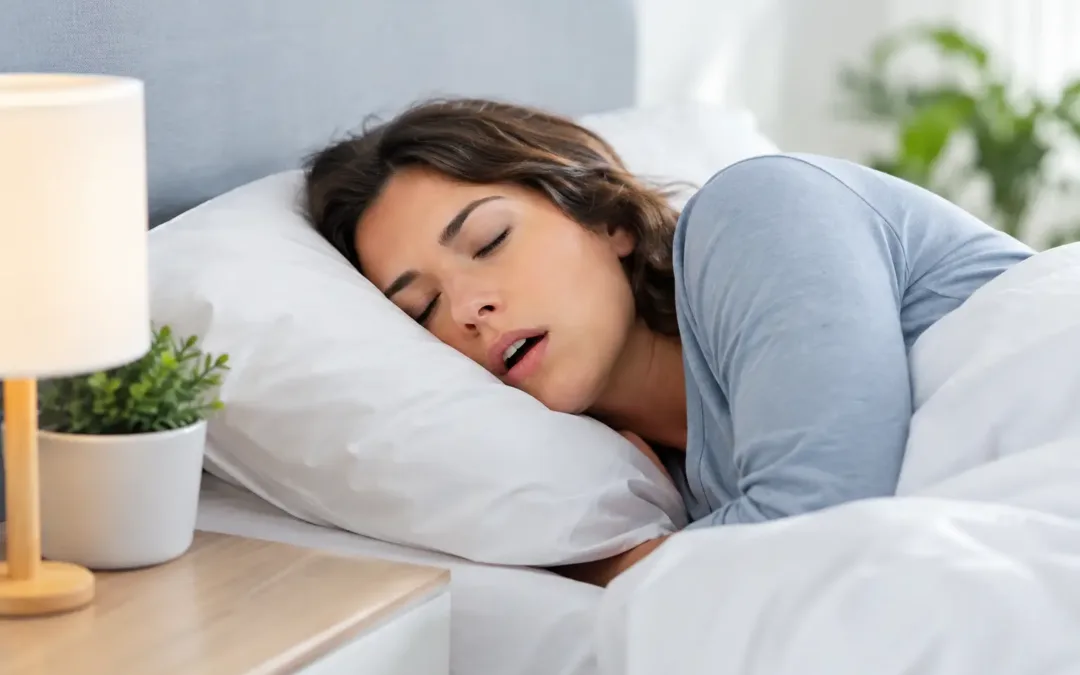
Waking up with a dry mouth, sore throat, bad breath, or a headache can make you wonder: can mouth breathing affect sleep? Yes. Breathing through your mouth at night can make sleep feel lighter and less restorative, even if you spend enough hours in bed. For many men, it is also a clue that something else - nasal congestion, snoring, excess weight, or sleep apnea - deserves attention.
Your body is built to favor nasal breathing. Your nose filters and humidifies incoming air, while mouth breathing bypasses much of that process. One stuffed-up night will not ruin your health, but habitual mouth breathing can chip away at sleep quality, morning energy, training recovery, and long-term performance.
Can Mouth Breathing Affect Sleep Quality?
Mouth breathing can contribute to sleep disruption in several ways. The most immediate is dryness. Air moving through the mouth dries the tongue, throat, and gums, which can trigger thirst, discomfort, coughing, or brief awakenings you may not remember the next morning.
It can also go hand in hand with snoring. When you sleep with your mouth open, the jaw and tongue may settle backward, narrowing the upper airway. That does not mean every mouth breather has a serious breathing disorder, but it can make noisy breathing and airway vibration more likely, especially when you sleep on your back.
The bigger issue is fragmented sleep. You may not fully wake up, yet repeated small disturbances can pull you out of deeper sleep stages. The result is familiar: you get seven or eight hours in bed but still feel foggy, irritable, and underpowered the next day.
For active men, poor-quality sleep can show up beyond simple fatigue. You may notice weaker workouts, slower muscle recovery, greater appetite, reduced patience, and less drive. Sleep does not have to be perfect, but consistently breathing poorly at night is not something to shrug off.
Why Men May Be More Likely to Struggle
Men are more likely than women to develop obstructive sleep apnea, a condition in which the airway repeatedly narrows or closes during sleep. Risk increases with age, a larger neck circumference, abdominal weight gain, alcohol use near bedtime, smoking, and certain facial or airway features.
Mouth breathing itself does not automatically cause sleep apnea. Often, it is a response to an obstructed nose or a partially blocked airway. Still, a man who snores loudly, wakes up gasping, and regularly sleeps with his mouth open should think beyond dry mouth. Those symptoms can point to a breathing issue that affects cardiovascular health, daytime alertness, sexual function, and quality of life.
Low testosterone is sometimes blamed for every energy or libido problem, but poor sleep deserves equal attention. Chronic sleep disruption can influence hormones, weight management, mood, and erectile function. Addressing nighttime breathing is one practical way to support the bigger picture.
Common Reasons You Breathe Through Your Mouth at Night
A blocked nose is one of the most common explanations. Seasonal allergies, a cold, chronic sinus inflammation, nasal polyps, or a deviated septum can make nasal breathing difficult. If the nose cannot move enough air, the body switches to the mouth because it has to.
Snoring and sleep apnea can also encourage mouth opening. So can sleeping flat on your back, drinking alcohol in the evening, and taking sedating medications that relax the muscles around the airway. Reflux may irritate the throat and worsen nighttime coughing or congestion for some people.
Sometimes the habit continues after the original cause improves. You may have started mouth breathing during allergy season or after a respiratory infection, then kept doing it because your body adapted to the pattern. That is why fixing congestion and improving sleep habits can both matter.
Signs Mouth Breathing May Be Hurting Your Rest
Dry mouth is the classic sign, but it is not the only one. Pay attention to a pattern of loud snoring, a scratchy throat on waking, morning headaches, frequent nighttime urination, restless sleep, or needing a long time to feel functional after getting out of bed.
Your bed partner may notice clues before you do. Pauses in breathing, choking or gasping sounds, and sudden snorts are not normal signs of “deep sleep.” They are worth discussing with a clinician, particularly if you also struggle with high blood pressure, weight gain, type 2 diabetes, atrial fibrillation, or excessive daytime sleepiness.
There is a dental angle too. Ongoing dry mouth can raise the risk of cavities, gum irritation, and bad breath because saliva helps protect the mouth. Your dentist may be the first professional to spot signs that your mouth is drying out overnight.
Practical Ways to Support Better Nighttime Breathing
Start with the simplest question: can you breathe comfortably through your nose while awake? If not, forcing the issue at night will not solve the underlying problem. Manage obvious congestion first. Allergy treatment, saline rinses, and improving bedroom air quality may help, depending on the cause. A clinician can help if congestion persists or one side of your nose always feels blocked.
Your sleep position can make a real difference. Back sleeping tends to worsen snoring and airway collapse in many people, while side sleeping may reduce it. A supportive pillow or a setup that keeps you from rolling flat onto your back can be a reasonable experiment for a few weeks.
Your evening choices matter as well. Alcohol close to bedtime can relax the throat and make snoring worse. Heavy late meals may aggravate reflux. If you smoke or use nicotine, cutting back can benefit both nasal passages and airway health. These are not glamorous fixes, but they often improve more than one area of health at once.
A consistent sleep schedule helps, too. Going to bed and waking at roughly the same time makes it easier to identify whether breathing changes are actually improving your energy. Track simple markers for two weeks: snoring reports, dry-mouth severity, morning headache, daytime sleepiness, and workout readiness.
Be Careful With Mouth Taping
Mouth taping has become popular online as a shortcut for better sleep. It is not a smart first move if you have nasal obstruction, loud snoring, suspected sleep apnea, asthma that is not well controlled, or any condition that can make breathing difficult. Taping your mouth shut does not treat a blocked airway.
If you are considering it because you wake with dry mouth, address the reason you are mouth breathing first. A sleep-focused clinician, primary care provider, ear, nose, and throat specialist, or dentist can help you work out whether the problem is nasal, dental, airway-related, or a combination.
When to Get Checked for Sleep Apnea
Make an appointment if you regularly snore loudly, wake up choking or short of breath, fall asleep unintentionally during the day, or feel exhausted despite adequate time in bed. Do the same if a partner has observed pauses in your breathing.
A sleep evaluation may involve an at-home test or an overnight study, depending on your symptoms and health history. If sleep apnea is diagnosed, treatment can be highly effective. Options may include a CPAP machine, an oral appliance, positional therapy, weight loss when appropriate, or treatment for nasal obstruction. The best choice depends on the severity and structure of your airway, not on a one-size-fits-all internet fix.
Do not wait until fatigue starts affecting your job, driving, relationships, or training. Drowsy driving is especially dangerous, and persistent daytime sleepiness deserves prompt medical attention.
A dry mouth may seem minor, but your sleep is part of your performance foundation. If mouth breathing is happening most nights, treat it as useful feedback from your body: clear the cause, protect your airway, and give yourself a better shot at waking up ready to go.
This article contains general information about medical conditions and treatments. The information is not advice, and should not be treated as such. Click here for further information.