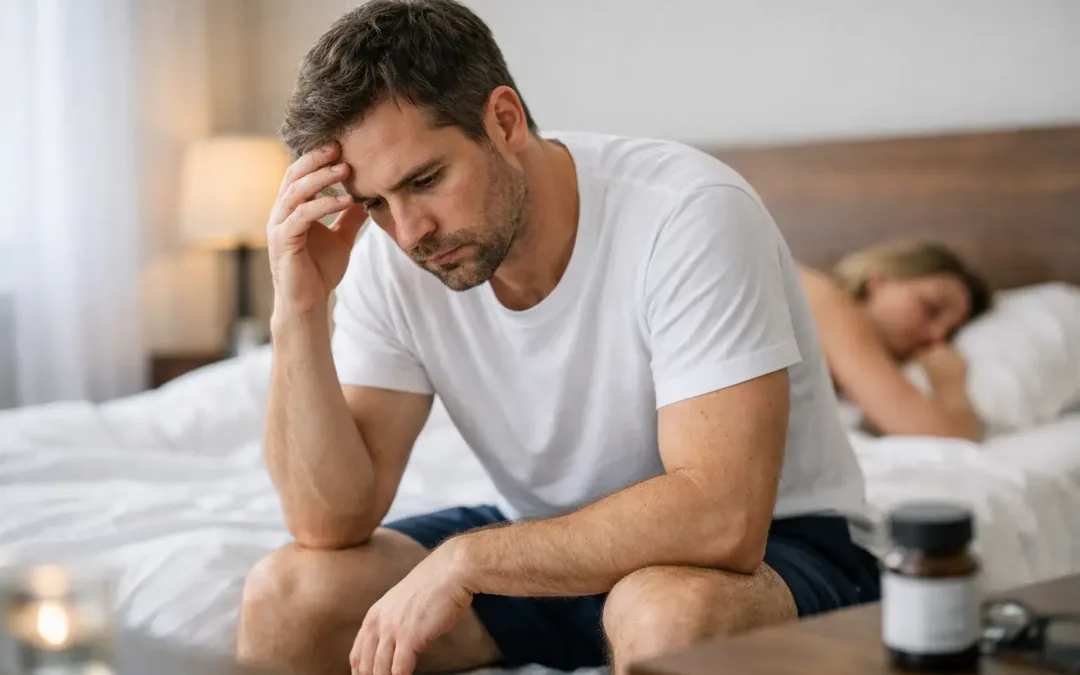
A drop in sex drive can feel frustrating, confusing, and personal. If you have been asking what causes low libido, the answer is usually not one single thing. In men, libido is tied to hormones, sleep, stress, fitness, mood, relationship dynamics, and overall health. When one or more of those areas slips, sexual desire often follows.
That matters because libido is not just about sex. It can be an early signal that something in your body or daily routine needs attention. For some men, the issue is temporary and easy to fix. For others, low desire is a clue that a deeper health problem is developing.
What causes low libido most often?
The most common causes of low libido in men fall into a few major categories: hormone changes, chronic stress, poor sleep, mental health struggles, medication side effects, relationship strain, and medical conditions that affect circulation or energy. Age can play a role, but age alone is not the whole story.
A lot of men assume low libido automatically means low testosterone. Sometimes that is true, but not always. You can have normal testosterone and still have low desire if you are exhausted, depressed, overweight, drinking too much, or dealing with performance anxiety. That is why it helps to look at the full picture instead of chasing one cause.
Hormones and testosterone
Testosterone has a real influence on male sex drive. When levels drop, libido often drops too. Men with low testosterone may also notice fatigue, reduced muscle mass, slower recovery from workouts, irritability, and fewer morning erections.
Still, hormones are rarely a stand-alone issue. Testosterone can decline with age, but it is also affected by obesity, poor sleep, insulin resistance, heavy alcohol use, certain medications, and chronic illness. A man in his 30s with poor sleep and weight gain can feel the same effects as someone much older.
Other hormones matter too. Thyroid problems can reduce energy and sexual interest. High prolactin, though less common, can also interfere with libido. This is one reason blood work can be useful when low desire sticks around.
Stress changes more than your mood
Mental stress is one of the biggest drivers of low libido, especially in men juggling work pressure, financial strain, parenting, or poor sleep. Your body does not separate bedroom performance from everyday stress very well. When your brain stays in problem-solving mode, desire tends to shut down.
High stress can raise cortisol, disrupt testosterone, worsen sleep, and make sex feel like one more demand instead of something you want. Even men who are physically healthy can notice a major dip in libido during high-stress periods.
This is where context matters. If your sex drive dropped suddenly during a rough stretch at work or while dealing with a major life event, stress may be a bigger factor than hormones. That does not make it less real. It just points to a different fix.
Poor sleep is a major but overlooked cause
If you sleep badly, your libido usually pays for it. Testosterone is closely tied to sleep quality, and deep sleep is especially important for hormone production and recovery. Men who consistently get short or broken sleep often report lower desire, lower energy, and worse sexual performance.
Sleep apnea is a major issue here, especially for men who snore, carry extra weight, or wake up tired. It can lower testosterone, increase fatigue, and hurt both libido and erections. Many men focus on sexual symptoms without realizing the root problem starts at night.
Improving sleep is not flashy, but it can have a strong effect. Better sleep often helps mood, workout performance, insulin sensitivity, and sex drive at the same time.
Weight gain, inactivity, and poor diet
Libido is linked to metabolic health more than many men realize. Excess body fat, especially around the midsection, is associated with lower testosterone, higher inflammation, poorer circulation, and reduced confidence. Add low activity and a highly processed diet, and the effect can build over time.
This does not mean every man with extra weight will have low libido, or that lean men are automatically protected. But for many men, being out of shape shows up first as lower energy and weaker sex drive before more obvious medical problems appear.
Exercise tends to help because it improves blood flow, insulin sensitivity, stress control, body composition, and self-image. There is a balance, though. Too little movement can hurt libido, but extreme overtraining can also drag it down by increasing fatigue and stressing the body.
Depression, anxiety, and performance pressure
Mood and libido are tightly connected. Depression often lowers desire, motivation, and pleasure across the board. Anxiety can do the same, especially when it becomes sexual performance anxiety. A bad experience with erections, premature ejaculation, or feeling disconnected from a partner can create a cycle where stress about sex reduces desire for sex.
Some men do not describe themselves as depressed or anxious. They just say they feel flat, distracted, or less interested than they used to be. That still counts. Low libido is sometimes one of the clearest outward signs that mental health needs attention.
There is also a frustrating trade-off with treatment. Some antidepressants can improve mood but reduce sex drive. If libido changed after starting medication, that timing matters.
Medications and substances that can lower sex drive
Prescription drugs are a common and underappreciated cause of low libido. Antidepressants are well known for this, but they are not the only ones. Blood pressure medications, opioids, anti-anxiety drugs, some hair loss medications, and certain hormone-related treatments can all affect sexual desire.
Alcohol is another big factor. A drink or two may lower inhibitions, but regular heavy drinking can reduce testosterone, impair sleep, worsen mood, and blunt sexual interest. Recreational drugs can do the same, especially with frequent use.
If your libido changed after a new medication or substance habit, bring it up with your doctor. Do not stop a prescribed medication on your own, but do ask whether there are alternatives.
Medical conditions that affect libido
Low libido can be an early warning sign of broader health issues. Diabetes, heart disease, high blood pressure, chronic pain, and obesity can all reduce sexual desire. Sometimes that happens through hormone changes or poor circulation. Other times it is more indirect, through fatigue, stress, and reduced confidence.
Erectile dysfunction and low libido often overlap, but they are not the same problem. Some men want sex but struggle with erections. Others have working erections but little desire. And some have both. Distinguishing between the two helps point you toward the right next step.
Chronic illness can also shift how a man sees himself. If you feel older, weaker, or less in control of your body, desire can take a hit even before lab values change.
Relationship issues can be a real cause
Not every libido problem starts in the body. Tension with a partner, unresolved resentment, poor communication, boredom, mismatched expectations, or feeling emotionally disconnected can reduce desire fast. That is especially true when sex has become pressured, routine, or tied to conflict.
This is not about blame. Healthy libido depends on context, and relationship stress changes that context. A man may still have normal hormones and decent health but notice very little interest in sex within a relationship that feels strained.
If the issue is situational rather than constant, that is a useful clue. Low desire in one setting does not always mean low libido across the board.
When to take it seriously
A brief dip in sex drive is common. Ongoing low libido is worth paying attention to if it lasts several weeks, starts affecting your relationship, comes with fatigue or mood changes, or shows up alongside erectile problems, weight gain, poor sleep, or reduced physical performance.
At that point, it makes sense to look beyond willpower. A medical evaluation may include a review of symptoms, medications, sleep habits, mental health, alcohol use, and labs such as testosterone, blood sugar, and thyroid markers. The goal is not to medicalize every slow week. It is to catch patterns early.
What helps if your libido is low?
The best fix depends on the cause. If stress and sleep are the issue, lifestyle changes can make a real difference. If hormones or a medical condition are involved, you may need testing and treatment. If a medication is to blame, adjustment may help. If relationship strain is front and center, better communication may matter more than supplements.
In practical terms, the strongest first moves are usually improving sleep, training consistently without overdoing it, reducing excess alcohol, managing body weight, and dealing honestly with stress and mood. Those basics are not glamorous, but they work because they target the systems libido depends on.
Male Health Zone focuses on exactly this kind of direct, no-shame health education because sexual symptoms are often tied to bigger performance and wellness issues. If your sex drive has dropped, treat it as useful feedback, not a verdict on your masculinity.
A lower libido does not mean you are broken. It usually means your body, mind, or routine is asking for attention - and when you respond early, you give yourself the best shot at feeling like yourself again.
This article contains general information about medical conditions and treatments. The information is not advice, and should not be treated as such. Click here for further information.