
Testosterone Level Guide: Normal Testosterone Levels by Age
This comprehensive guide aims to provide a clear understanding of testosterone levels, exploring what constitutes normal testosterone levels and how they vary throughout life. We'll delve into the importance of maintaining healthy testosterone levels, discussing potential issues associated with low testosterone and providing insights into how to check your testosterone.
Understanding Testosterone Levels
What is Testosterone?
Testosterone, often hailed as the male sex hormone, is a crucial hormone produced primarily in the testicles in males and, in smaller amounts, in the ovaries of females. This vital hormone plays a significant role in the development of male characteristics, such as muscle mass, bone density, and sex drive, and is also involved in sperm production. Maintaining healthy testosterone levels is essential for overall well-being in both males and females.
Importance of Normal Testosterone Levels
Maintaining normal testosterone levels is paramount for various bodily functions. For men, normal testosterone is crucial for several aspects of health, including:
- Sex drive
- Muscle strength
- Bone density
Low testosterone levels can lead to symptoms such as fatigue, reduced sex drive, and decreased muscle mass. For women, testosterone, though present in smaller amounts, contributes to bone health and energy levels. Monitoring hormone levels is important to identify potential issues early and address them with appropriate interventions.
Testosterone Levels Throughout Life
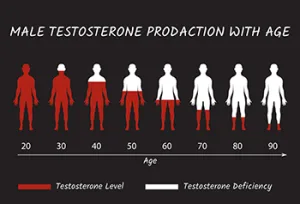 Testosterone levels change naturally throughout life. In males, testosterone levels typically peak in early adulthood and then gradually decline with age. This decline can sometimes lead to low testosterone levels or testosterone deficiency, which might necessitate testosterone replacement therapy (TRT). Understanding the normal range of testosterone levels by age is essential for interpreting testosterone tests. A blood test to measure your serum testosterone can determine your total testosterone and free testosterone.
Normal Testosterone Levels by Age
Normal Testosterone Levels for Males
Understanding normal testosterone levels in males is crucial for assessing overall health. Male testosterone typically peaks in early adulthood, gradually declining thereafter. Blood tests to measure testosterone are essential for determining total testosterone and free testosterone, providing a comprehensive view of a man's testosterone level. Monitoring testosterone levels by age helps identify potential testosterone deficiency.
Comparative Analysis of Testosterone Levels by Age
Comparing testosterone levels vary across different age groups and between males and females provides valuable insights into hormone health. Testosterone levels in men typically peak in early adulthood and decline gradually, while women have significantly lower testosterone. Understanding these differences helps healthcare professionals interpret blood test results and identify potential issues. Monitoring testosterone levels by age allows for early detection of testosterone deficiency.
Symptoms of Low Testosterone
Physical Symptoms
Recognizing the physical symptoms of low testosterone is crucial for early diagnosis and intervention. Low testosterone in men can manifest as reduced muscle mass, increased body fat, decreased bone density, and fatigue. Changes in physical performance and sex drive are also common indicators. Addressing these symptoms of low testosterone can significantly improve quality of life.
Emotional and Mental Symptoms
Low testosterone doesn't only affect the body; it can also impact emotional and mental well-being. Some emotional and mental symptoms of low testosterone include mood swings, depression, difficulty concentrating, and reduced motivation. Recognizing these emotional changes is vital for a holistic understanding of symptoms of low testosterone.
Long-term Effects of Low Testosterone
The long-term effects of untreated low testosterone can have significant health consequences. Chronic low testosterone levels can increase the risk of osteoporosis, cardiovascular issues, and metabolic syndrome. Furthermore, prolonged low testosterone can negatively impact cognitive function and overall quality of life. Early detection and management of low testosterone can help mitigate these long-term risks.
Testing and Diagnosing Testosterone Levels
How to Test Testosterone Levels
To accurately assess your testosterone levels, a blood test is typically required. This blood test to testosterone level usually involves taking a blood sample, ideally in the morning when testosterone levels in men are at their highest. The blood test will determine your total testosterone and free testosterone.
Interpreting Test Results
Interpreting blood test results for testosterone can be complex, as normal testosterone levels vary based on age and individual factors. Generally, results will show your total testosterone and free testosterone values, which are then compared against the normal range for your age group. Low testosterone levels may indicate a testosterone deficiency. Understanding these results requires a healthcare provider's expertise.
When to Seek Medical Advice
If you suspect you have low testosterone levels or are experiencing symptoms of low testosterone, it's crucial to seek medical advice. Symptoms of low testosterone include fatigue, reduced sex drive, and decreased muscle mass. A healthcare provider can order a blood test to measure testosterone and provide an accurate diagnosis.
Treating Low Testosterone Levels
Overview of TRT (Testosterone Replacement Therapy)
Testosterone replacement therapy, often abbreviated as TRT, is a medical treatment designed to address low testosterone levels. TRT involves supplementing testosterone through various methods, such as injections, patches, gels, or implants, to restore normal testosterone levels. The goal of TRT is to alleviate symptoms of low testosterone.

Alternative Treatments for Low Testosterone
Besides testosterone replacement therapy (TRT), there are alternative treatments for low testosterone that some individuals may consider. These alternatives often involve lifestyle changes, such as diet and exercise, aimed at naturally boosting testosterone production. Certain supplements and medications may also be used to address underlying conditions contributing to low testosterone levels. It's essential to discuss these options with a healthcare provider.
Managing Testosterone Levels Naturally
Managing testosterone levels naturally involves adopting lifestyle strategies that support healthy testosterone production. Regular exercise, particularly strength training, can help . A balanced diet rich in essential nutrients, such as zinc and vitamin D, is crucial for hormone production. Adequate sleep and stress management are also vital for maintaining normal testosterone levels. By incorporating these natural approaches, individuals can promote healthy testosterone and overall well-being.
What are normal testosterone levels for adult males?
Normal testosterone levels for adult males typically range from 300 to 1,000 nanograms per deciliter (ng/dL). The American Urological Association suggests that total testosterone levels between 450 and 600 ng/dL are considered normal for most adult men. However, these levels can vary based on age and individual health conditions.
What are the symptoms of low testosterone?
Symptoms of low testosterone, also known as hypogonadism, may include reduced libido, fatigue, depression, and decreased muscle mass. Men experiencing these symptoms should consider measuring their testosterone levels, as low levels can significantly impact quality of life.
How do testosterone levels change with age?
Testosterone levels typically peak in early adulthood and gradually decline with age. By age 30, many men may notice a decrease in their testosterone levels. Normal testosterone levels by age can vary, but older men often show lower levels, which can lead to symptoms of low testosterone.
What can cause high testosterone levels?
High testosterone levels can be caused by various factors, including certain medical conditions, use of testosterone therapy (TRT), or anabolic steroid use. While having high testosterone may seem beneficial, it can lead to health issues such as increased risk of heart disease and hormonal imbalances.
Can testosterone therapy help with low testosterone?
Testosterone therapy may help boost testosterone levels in men with diagnosed low testosterone. It can improve symptoms such as low libido and fatigue. However, it's essential to consult with a healthcare provider to determine if TRT is appropriate and safe based on individual health needs.
What are the reference ranges for testosterone levels?
The reference ranges for testosterone levels can vary by laboratory, but generally, total testosterone levels are considered normal between 300 and 1,000 ng/dL. It's important to discuss these reference ranges with a healthcare provider to understand personal results in context.
How can I measure my testosterone levels?
To measure your testosterone levels, a simple blood test can be performed. This test will typically measure total testosterone in your blood. It's advisable to take the test in the morning when testosterone levels are highest for the most accurate results.
What are some natural ways to increase testosterone levels?
Natural ways to increase testosterone levels include regular exercise, maintaining a healthy diet, managing stress, and getting adequate sleep. Certain lifestyle changes may help boost testosterone levels, especially for those experiencing low testosterone symptoms.
Do females also need testosterone?
Yes, females produce small amounts of testosterone, which plays a role in their overall hormonal balance and sexual health. Although testosterone is often referred to as the male hormone, it is also essential for females, impacting libido and overall well-being.
This article contains general information about medical conditions and treatments. The information is not advice, and should not be treated as such. Click here for further information.