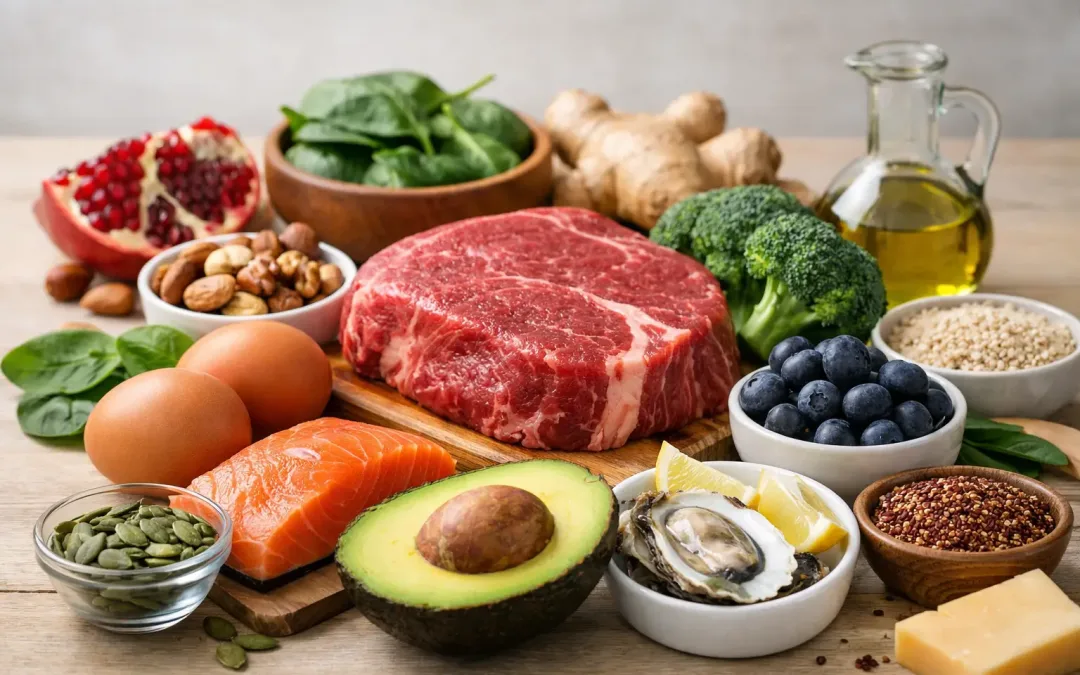
If your energy, sex drive, gym performance, or recovery feels off, your plate is one place to look. The best foods for testosterone production will not work like a magic switch, but the right diet can support the raw materials your body uses to make hormones and help you avoid the nutrient gaps that drag levels down.
Testosterone is influenced by far more than food. Sleep, body fat, training load, alcohol intake, chronic stress, medications, and age all matter. Still, nutrition plays a real role, especially when your diet is heavy on ultra-processed food and light on protein, healthy fats, zinc, magnesium, vitamin D, and antioxidant-rich whole foods.
What actually helps testosterone through diet
Your body needs enough calories and enough fat to produce hormones normally. Men who chronically under-eat, cut fat too aggressively, or follow highly restrictive diets sometimes see testosterone drop. On the flip side, carrying excess body fat, especially around the midsection, is also linked with lower testosterone because fat tissue can increase the conversion of testosterone into estrogen.
That is why the goal is not to chase a single superfood. It is to build a diet that supports a healthy body composition, stable blood sugar, good recovery, and solid micronutrient intake. That approach helps more than loading up on one trendy ingredient and hoping for the best.
Best foods for testosterone production
1. Eggs
Eggs are one of the most practical foods for men who want to support hormone health. They provide high-quality protein, cholesterol, selenium, and several B vitamins. Cholesterol gets a bad reputation in some nutrition conversations, but your body uses it as a building block for steroid hormones, including testosterone.
That does not mean you should eat a dozen eggs a day. It means eggs can fit well into a balanced diet, especially when paired with fruit, potatoes, or oatmeal instead of a breakfast full of pastries and sugary coffee drinks.
2. Oysters and other shellfish
Oysters are famous for a reason. They are loaded with zinc, one of the minerals most closely tied to testosterone production and male sexual health. If you are low in zinc, bringing intake back to normal can help support healthy testosterone levels.
Not everyone eats oysters regularly, and that is fine. Crab, shrimp, mussels, and lobster also provide useful minerals and protein. The key point is that shellfish can be a strong addition if you want nutrient density without a lot of calories.
3. Lean beef
Lean beef gives you protein, zinc, iron, and vitamin B12, all of which matter for energy, muscle function, and recovery. For active men, especially those lifting weights or trying to maintain strength as they age, beef can be a smart part of the weekly rotation.
There is a trade-off here. Processed and heavily charred meats are not the same thing as a sensible serving of lean beef. Better choices are sirloin, top round, or lean ground beef, paired with vegetables and a quality carb source.
4. Fatty fish
Salmon, sardines, mackerel, and trout bring two major benefits to the table: omega-3 fats and vitamin D. Both matter for overall health, and vitamin D is especially relevant because low vitamin D status is common in men and has been linked with lower testosterone in some research.
Fatty fish also supports heart health, which matters more than many men realize. Hormone health and sexual health do not exist in separate lanes. Better circulation, lower inflammation, and healthier body composition all support better outcomes.
5. Greek yogurt
Greek yogurt is an easy win because it delivers protein, calcium, and often magnesium or potassium depending on the brand. It also works well for men trying to improve body composition since higher protein intake can support muscle retention and appetite control.
Choose plain versions when possible and add fruit, nuts, or cinnamon yourself. A flavored yogurt packed with added sugar is a very different product than a plain, high-protein option.
6. Extra virgin olive oil
Olive oil is not a testosterone booster in the supplement-marketing sense, but it is a strong choice for a hormone-supportive diet. It provides healthy monounsaturated fats and fits well in eating patterns linked with better metabolic health.
Use it on vegetables, salads, potatoes, or grilled protein. Men who are still stuck in the low-fat mindset often miss the bigger picture - your hormones do better with balanced fat intake than with chronic fat avoidance.
7. Avocados
Avocados bring monounsaturated fats, fiber, potassium, and magnesium. That combination helps support heart health, blood pressure, and recovery, all of which matter for men trying to feel and perform better.
They are also useful if you tend to feel hungry on cleaner eating plans. Satisfaction matters. A diet that looks perfect on paper but leaves you raiding the pantry every night is not a winning strategy.
8. Dark leafy greens
Spinach, Swiss chard, kale, and collard greens are not glamorous, but they deserve a place here. They are rich in magnesium and antioxidants and can help improve overall diet quality fast.
Magnesium is involved in many processes related to muscle function, sleep, blood sugar control, and hormone balance. If your intake is low, getting more from food is a smart move.
9. Beans and lentils
Beans and lentils often get ignored in testosterone conversations because they are not flashy. That is a mistake. They provide magnesium, zinc, fiber, and plant protein while helping control appetite and support a healthier weight.
For men who are trying to reduce belly fat, this matters a lot. The best foods for testosterone production are not just the foods with the right minerals. They are also the foods that make it easier to maintain a body composition that supports healthier hormone levels.
10. Pomegranate
Pomegranate stands out for its antioxidant content. Some small studies have suggested benefits related to blood flow and hormone markers, though this is not a reason to expect dramatic changes from juice alone.
Still, it is a worthwhile fruit to include, especially if your current diet is weak on produce. Whole fruit is usually the better option than sweetened juice, since you get fiber and less sugar per serving.
11. Brazil nuts
Brazil nuts are one of the richest food sources of selenium, a mineral involved in reproductive health and antioxidant defense. You do not need many. In fact, more is not better here because too much selenium can be harmful.
A small portion goes a long way. Think of them as a helpful add-on, not a snack to mindlessly crush by the handful.
12. Cruciferous vegetables
Broccoli, cauliflower, Brussels sprouts, and cabbage help round out a testosterone-supportive diet by improving overall nutrition quality and supporting healthy estrogen metabolism. They also bring fiber, vitamin C, and compounds linked with long-term health benefits.
This is one of those areas where consistency beats intensity. Eating vegetables a few times a day will do more for your health than chasing a rare ingredient you only remember once a month.
Foods and habits that can work against testosterone
It is not only about what to add. Men who rely on heavy drinking, frequent fast food, sugary snacks, and late-night overeating often make body composition, sleep, and inflammation worse at the same time. That combination can pull testosterone in the wrong direction.
Very low-calorie dieting can also backfire. If you are trying to lose weight, a moderate calorie deficit paired with enough protein and resistance training is usually a smarter move than crash dieting. Hard training with poor sleep and not enough food is a common setup for feeling run-down, flat in the gym, and low on drive.
How to build meals that support hormone health
You do not need a complicated meal plan. A simple formula works well: protein, a quality carb, healthy fat, and produce. For breakfast, that could mean eggs, fruit, and oatmeal. Lunch might be salmon, rice, and broccoli with olive oil. Dinner could be lean beef, potatoes, and a large salad with avocado.
If you want better results, focus on the pattern more than the perfect menu. Hit protein consistently, include healthy fats daily, eat vegetables and fruit every day, and stop treating sleep like an optional extra. Many men spend too much time chasing testosterone foods while sleeping five hours and drinking like it is still college.
When food is not the whole answer
If you have symptoms like low libido, erectile issues, fatigue, depressed mood, loss of strength, or trouble concentrating, diet may help, but it may not be the full story. Low testosterone can overlap with poor sleep, sleep apnea, medication effects, depression, overtraining, insulin resistance, or thyroid issues.
That is why it makes sense to look at the full picture. If symptoms are persistent, talk with a healthcare professional and get proper testing rather than guessing. Male Health Zone always comes back to the same principle: practical action beats wishful thinking.
A better testosterone-supportive diet is not about eating like a bodybuilder or obsessing over one nutrient. It is about giving your body what it needs, cutting what works against you, and stacking enough good habits that your energy, performance, and long-term health all move in the right direction.
This article contains general information about medical conditions and treatments. The information is not advice, and should not be treated as such. Click here for further information.