You can feel strong in the gym, keep up at work, and still have blood pressure that is quietly working against you. That is why a beginner guide to blood pressure matters, especially for men who want to protect energy, stamina, sexual health, and long-term heart function before a problem gets obvious.
Blood pressure is simply the force of blood pushing against your artery walls. Your heart has to generate enough pressure to move blood through your body, but when that pressure stays too high for too long, it starts wearing down the system. Over time, that strain can increase the risk of heart attack, stroke, kidney disease, and erectile dysfunction. For men, that last point often gets attention first, but the bigger issue is that high blood pressure can damage multiple areas of health at once.
Beginner guide to blood pressure numbers
When you get a reading, you see two numbers. The top number is systolic pressure, which measures the pressure in your arteries when your heart beats. The bottom number is diastolic pressure, which measures pressure when your heart relaxes between beats.
A normal blood pressure reading is generally less than 120 over 80. Elevated blood pressure means the top number is between 120 and 129 while the bottom stays under 80. High blood pressure, also called hypertension, starts at 130 over 80 or higher. If your reading reaches 180 over 120 or more, that is considered a hypertensive crisis and needs immediate medical attention, especially if you also have chest pain, shortness of breath, severe headache, confusion, or vision changes.
One high reading does not always mean you have hypertension. Stress, caffeine, nicotine, poor sleep, pain, and even rushing into the appointment can push your numbers up. What matters most is the pattern over time.
Why men should pay attention earlier than they think
A lot of men do not worry about blood pressure until midlife, but the groundwork often gets laid much earlier. Extra abdominal fat, heavy alcohol use, high sodium intake, low activity, sleep apnea, chronic stress, and family history can all move the numbers in the wrong direction. Some men also assume that if they lift weights or look fit, their blood pressure must be fine. Sometimes it is. Sometimes it is not.
There is also a practical reason to take this seriously: blood flow affects performance. If your arteries are under strain, your heart has to work harder, your recovery can suffer, and your sexual health may take a hit. In other words, blood pressure is not just about avoiding disease decades from now. It affects how well your body runs now.
What raises blood pressure
Some causes are not in your control, but many are. Age, genetics, and certain medical conditions can raise your risk. So can medications such as decongestants, some anti-inflammatory drugs, stimulants, and certain hormone-related treatments. That does not mean you should stop prescribed medication on your own. It means blood pressure should be part of the bigger picture.
Lifestyle factors are where many men have room to improve. Carrying excess weight, especially around the waist, often drives blood pressure up. A diet heavy in fast food, processed snacks, and restaurant meals can load you with sodium without you realizing it. Too little potassium-rich food, poor sleep, frequent stress, smoking, and lack of cardio activity also make a difference.
Then there is the gray area. Caffeine affects some people more than others. Intense training can temporarily raise pressure during the workout but still improve it long term. Alcohol may seem harmless in small amounts, but regular overuse can steadily push readings higher. This is one of those areas where it depends on your habits, your body, and your baseline risk.
How to check blood pressure the right way
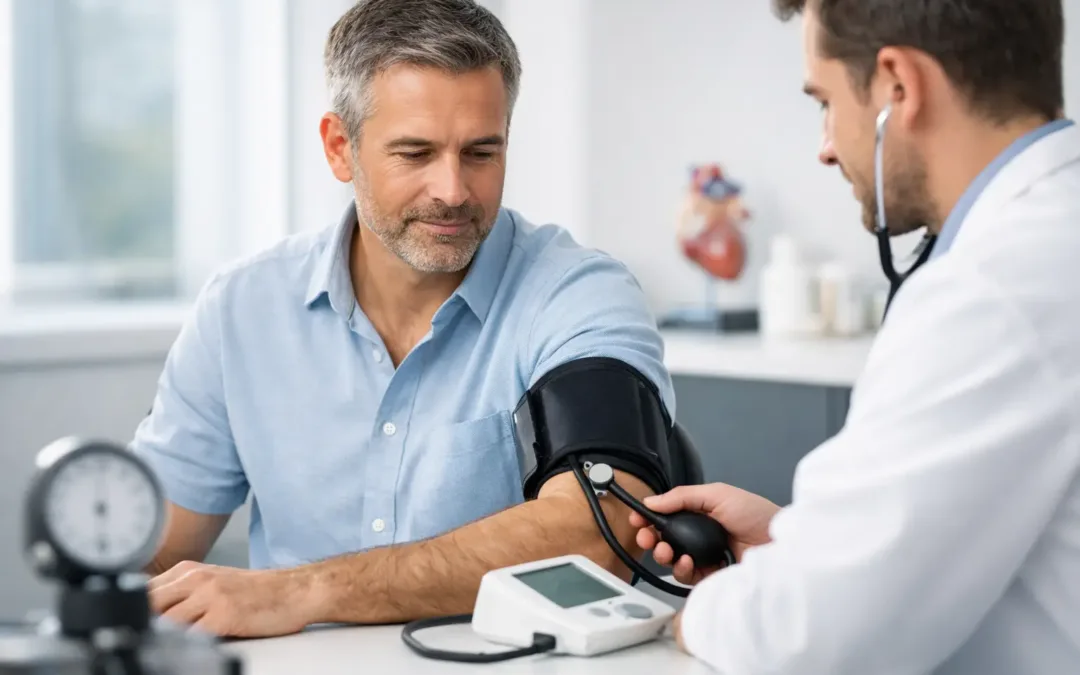
A good reading starts with good technique. Sit quietly for five minutes before measuring. Keep your feet flat on the floor, your back supported, and your arm resting at heart level. Do not smoke, exercise, or drink caffeine for at least 30 minutes beforehand. Use the bathroom first if you need to. A full bladder can affect the result.
If you are using a home monitor, choose an upper-arm cuff from a reputable brand and make sure the cuff size fits your arm. Wrist devices can be less reliable for many people. Take two readings one minute apart and record both. If your doctor wants home monitoring, measure at the same times each day, often morning and evening.
This is where a beginner guide to blood pressure becomes practical instead of theoretical. You are not chasing one perfect number. You are looking for a trend. Home readings can also help reveal white coat hypertension, where blood pressure rises in a medical setting, or masked hypertension, where office readings look fine but home numbers run high.
Symptoms are not a reliable warning system
One of the biggest mistakes men make is waiting to feel something. High blood pressure often causes no symptoms at all. You can have it for years and feel normal. Headaches, dizziness, flushing, or nosebleeds can happen, but they are not dependable early warning signs.
That is why screening matters. If you are an adult man who has not checked your blood pressure lately, especially if you are over 40, carrying extra weight, dealing with sleep issues, or have a family history of heart disease, this is a basic metric worth knowing.
How to lower blood pressure without overcomplicating it
The basics work, but they work best when you actually stick to them. Losing even a modest amount of weight can lower blood pressure. Regular exercise helps, particularly brisk walking, cycling, swimming, and other aerobic work. Strength training is useful too, though it should support rather than replace cardio.
Food matters more than most men expect. Cutting back on processed foods and restaurant meals can reduce sodium fast. Eating more fruits, vegetables, beans, potatoes, yogurt, and leafy greens can increase potassium, which helps balance sodium. You do not need a perfect diet overnight. Often the fastest win is cooking more meals at home and reading labels on the foods you already buy.
Sleep is another major lever. Men with sleep apnea often have stubborn high blood pressure, and many do not know they have it. Loud snoring, choking awake at night, morning headaches, and daytime fatigue are all signs worth discussing with a doctor. Improving sleep quality can help both blood pressure and testosterone-related issues like energy and libido.
Stress management helps, but not in a vague self-care way. Chronic stress can keep your body in a more activated state, raising blood pressure over time. A realistic approach might be daily walks, better boundaries around work, less late-night alcohol, or ten minutes of breathing practice after a stressful day. Simple habits done consistently beat big plans you abandon in a week.
When lifestyle changes are not enough
Sometimes blood pressure stays high even when you are doing a lot right. That can happen because of genetics, age, kidney issues, hormone problems, sleep apnea, or just the way your body responds. Medication is not failure. It is a tool.
Different medications work in different ways, and finding the right one can take some adjustment. Some men worry that treatment will automatically hurt workouts, energy, or sexual performance. Side effects can happen, but they are not guaranteed, and there are often alternatives if one medication is not a good fit. The wrong move is ignoring the issue because you do not want to deal with treatment.
When to talk to a doctor
If your readings are consistently 130 over 80 or higher, it is worth getting evaluated. If they are 140 over 90 or higher, do not keep putting it off. If you ever get a reading of 180 over 120 or more, wait five minutes and check again. If it stays that high, or if you have symptoms like chest pain, trouble breathing, weakness, confusion, or vision changes, seek emergency care.
It is also smart to bring blood pressure up with your doctor if you have erectile dysfunction, diabetes, high cholesterol, obesity, or a strong family history of heart disease. These issues often travel together.
At Male Health Zone, the bigger message is simple: numbers give you leverage. Blood pressure is one of the easiest health markers to check, track, and improve, and doing that early gives you a better shot at keeping your body performing the way you want it to for years to come.
This article contains general information about medical conditions and treatments. The information is not advice, and should not be treated as such. Click here for further information.