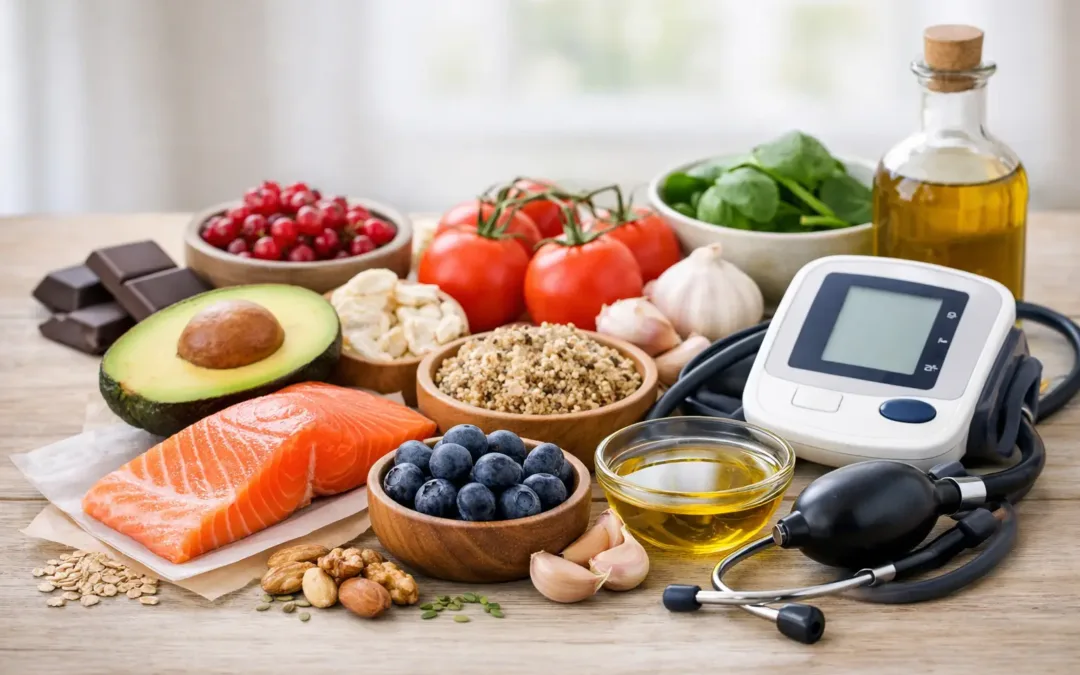
That afternoon crash, the headaches, the feeling that your body is working harder than it should - for a lot of men, high blood pressure builds quietly in the background. The good news is that the best foods for blood pressure are not exotic, expensive, or hard to find. They are everyday foods that help your arteries relax, improve mineral balance, and make it easier to stay in control before blood pressure turns into a bigger problem.
For men, this matters beyond heart disease risk. Blood pressure affects stamina, workout recovery, sleep quality, kidney health, and even sexual performance. If circulation is off, a lot of other systems suffer with it. Food will not replace medication when medication is needed, but it can make a real difference, especially when your eating habits have been pushing pressure in the wrong direction.
Why blood pressure nutrition works
Blood pressure is heavily influenced by three things your diet can change: sodium intake, potassium intake, and overall blood vessel health. Most men get too much salt from packaged food, takeout, deli meat, pizza, and restaurant meals, while getting too little potassium, magnesium, and fiber from whole foods. That combination makes it easier for the body to hold onto fluid and harder for blood vessels to relax.
The strongest eating pattern for hypertension is not one miracle food. It is a consistent pattern built around vegetables, fruit, beans, dairy or dairy alternatives with no added sugar, lean protein, nuts, seeds, and minimally processed carbs. Some foods stand out because they deliver nutrients that directly support healthy blood pressure.
Best foods for blood pressure that pull the most weight
Leafy greens
Spinach, kale, collard greens, arugula, and Swiss chard are loaded with potassium, magnesium, and nitrates. Potassium helps counterbalance sodium, while nitrates can support healthier blood vessel function. That matters if your usual plate is heavy on meat and starch and light on plants.
Fresh greens are great, but frozen works too. If you buy canned vegetables, watch the sodium. A vegetable only helps so much if it comes packed with salt.
Beets
Beets have a strong reputation for blood pressure support because they are rich in natural nitrates. Your body converts those compounds into nitric oxide, which helps blood vessels relax and open up. That can improve circulation and may also help with exercise performance.
Beet juice gets a lot of attention, but whole beets are a smarter everyday move because they also bring fiber. The trade-off is taste. Not every guy wants roasted beets on repeat, so blending them into a smoothie or adding them to a grain bowl may be easier.
Berries
Blueberries, strawberries, raspberries, and blackberries contain plant compounds called anthocyanins, along with fiber and vitamin C. These compounds are linked with better blood vessel function and lower cardiovascular risk. If your snack routine leans toward chips or candy, berries are an easy upgrade.
Frozen berries are just as practical as fresh and often cheaper. That makes them one of the simplest blood pressure-friendly foods to keep around year-round.
Bananas and other potassium-rich fruit
Bananas are the classic blood pressure fruit for a reason. They are convenient, affordable, and rich in potassium. Other strong options include oranges, cantaloupe, kiwi, avocado, and dried apricots. Potassium helps the body manage sodium more effectively, which is one of the biggest wins for men eating a typical high-salt American diet.
That said, more is not always better. If you have kidney disease or have been told to limit potassium, you need a more tailored plan.
Beans and lentils
Beans, lentils, and chickpeas are among the best foods for blood pressure because they combine potassium, magnesium, fiber, and plant protein in one package. They also help with weight control and blood sugar management, both of which matter for blood pressure.
For men trying to eat better without staying hungry, this is a practical category. Beans actually fill you up. If canned beans are your go-to, rinse them well to reduce sodium.
Oats
Oats help in a less flashy but very reliable way. Their soluble fiber supports heart health, helps improve cholesterol, and can make meals more satisfying, which reduces the odds of overeating higher-sodium foods later in the day. A bowl of plain oatmeal with berries and nuts is a far better breakfast for blood pressure than a sausage biscuit or sugary cereal.
Instant flavored packets are less helpful because many are loaded with sugar and sodium. Plain rolled oats or steel-cut oats are the better pick.
Yogurt and milk
Low-fat yogurt and milk provide calcium, potassium, and protein. Some research suggests that unsweetened dairy intake can support healthier blood pressure levels, especially as part of a balanced diet. Greek yogurt also gives you a solid protein hit, which can help with body composition and appetite control.
The main issue is what gets added. Sweetened yogurts can turn a healthy food into dessert. Go plain when possible and add fruit yourself.
Fatty fish
Salmon, sardines, trout, and mackerel bring omega-3 fats, which support heart and blood vessel health. They are not a quick fix, but they are part of a strong long-term blood pressure strategy. For men over 40, fatty fish pulls double duty by supporting cardiovascular health while also fitting well into a high-protein eating plan.
Preparation matters. Grilled or baked fish helps. Deep-fried fish sandwiches do not offer the same benefit.
Nuts and seeds
Walnuts, almonds, pistachios, flaxseed, chia seeds, and pumpkin seeds provide magnesium, healthy fats, fiber, and plant compounds that support vascular health. They are useful for blood pressure partly because they make bad snacks easier to replace.
Portion size still matters. Nuts are nutrient-dense, but calories add up fast if you eat straight from the container.
Potatoes and sweet potatoes
A lot of men assume potatoes are off-limits if they are trying to eat cleaner. That is not the full story. Plain potatoes and sweet potatoes are high in potassium and can absolutely fit a blood pressure-friendly diet. The problem is usually what comes with them: fries, salty seasoning, butter overload, bacon, and sour cream.
Baked or roasted potatoes are a very different choice from fast-food fries.
Tomatoes
Tomatoes provide potassium and lycopene, a compound linked with heart health benefits. Fresh tomatoes, no-salt-added tomato sauce, and unsalted tomato juice can all work. If you rely on canned pasta sauce, compare labels. Some sauces contain a surprising amount of sodium.
Garlic
Garlic is not a replacement for blood pressure medication, but it may offer mild support for some people. More importantly, it helps you make food taste better without depending on salt. That alone makes it valuable.
If your meals are bland without a heavy shake of sodium, garlic, onion, herbs, lemon, and pepper can help retrain your taste buds.
Foods that quietly work against you
Knowing what to add is only half the job. Some of the biggest blood pressure problems come from foods men eat routinely without thinking much about them. Processed meats, canned soups, frozen dinners, sports bar snacks, fast food, pizza, and restaurant sandwiches can push sodium intake sky high. Alcohol can also raise blood pressure, especially when a couple drinks turns into a regular habit.
Even foods marketed as healthy can be misleading. Protein bars, flavored oatmeal, bottled smoothies, turkey deli meat, and wraps from chain restaurants often carry more sodium and sugar than expected. If you want better numbers, label reading starts to matter.
How to build meals around the best foods for blood pressure
You do not need to become a health monk to eat better. A practical approach works better than a perfect one. Start by changing the structure of your meals.
At breakfast, swap processed meat and refined carbs for oats, Greek yogurt, fruit, or eggs with vegetables. At lunch, build around beans, grilled chicken, greens, avocado, and a lower-sodium carb like rice or potatoes. At dinner, think protein plus two plants. Salmon with roasted sweet potatoes and spinach is a strong example, but so is turkey chili with beans and tomatoes if you keep sodium in check.
Snacks matter more than most men realize. If you are hitting vending machines, jerky, chips, and takeout because you are starving between meals, your blood pressure plan will keep getting derailed. Fruit, yogurt, nuts, and unsalted seeds make it easier to stay consistent.
A few realities worth keeping in mind
If your blood pressure is significantly high, food may help but not fully solve it. Genetics, age, sleep apnea, body weight, stress, alcohol use, and inactivity all play a role. Some men also assume that if they work out hard, they can eat whatever they want. That is not how blood pressure works. Fitness helps, but it does not cancel out a steady diet of sodium-heavy processed food.
It also takes a little time. You may see changes within a few weeks of improving your diet, especially if sodium drops and potassium intake rises, but consistency is what moves the needle. A good week followed by ten days of drive-thru meals usually puts you back where you started.
If you are taking blood pressure medication, keep taking it unless your doctor tells you otherwise. Better eating can support treatment, and in some cases it may help improve your numbers enough that your treatment plan changes later. That decision should be made with medical guidance, not guesswork.
A strong diet for blood pressure is really a strong diet for staying capable. Better circulation supports your heart, your workouts, your energy, and how you feel getting older. Start with two or three upgrades you can actually keep, and let momentum do the rest.
This article contains general information about medical conditions and treatments. The information is not advice, and should not be treated as such. Click here for further information.