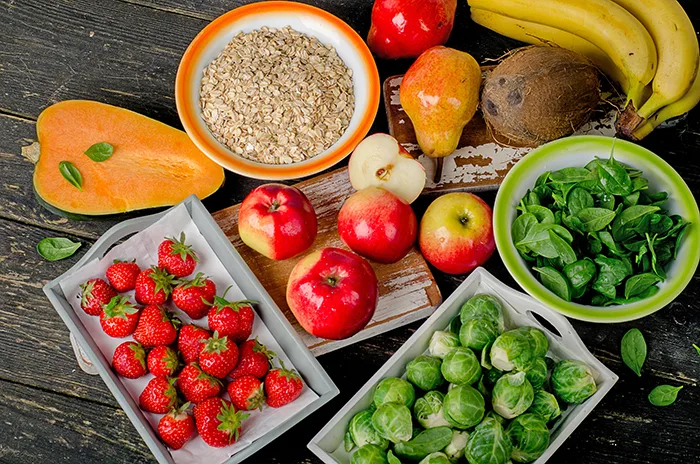
Dietary Fiber: Health Benefits for a Healthy Diet & Cardiovascular Support
Embarking on a journey toward better health often starts with understanding the fundamental components of our diet. Among these, dietary fiber stands out as a crucial element, offering a multitude of health benefits that extend far beyond just digestive regularity. Let's delve into the world of dietary fiber, exploring its definition, types, and the significant role it plays in promoting a healthy diet and supporting cardiovascular well-being.
Understanding Dietary Fiber
What is Dietary Fiber?
Dietary fiber, often simply referred to as fiber, is a type of carbohydrate that our bodies can't digest. Unlike other carbohydrates that are broken down and absorbed, fiber passes relatively intact through our digestive system. You see, fiber doesn't dissolve in water, which makes it different from other carbohydrates. This unique characteristic is what gives it its powerful health benefits. As a result, it helps promote healthy eating habits, improves bowel function, and helps in regulating blood sugar levels. Knowing the basics about dietary fiber is the first step to ensuring enough fiber intake.
Types of Dietary Fiber
There are primarily two types of dietary fiber: soluble and insoluble. Soluble fiber dissolves in water, forming a gel-like substance in the gut. This type of fiber can help lower the risk of cardiovascular disease by reducing cholesterol levels. In contrast, insoluble fiber doesn't dissolve in water and adds bulk to stool, promoting regular bowel movements and preventing constipation. Both types of fiber play a crucial role in maintaining a healthy diet, and most plant foods contain a combination of soluble and insoluble fiber. So, a variety of fiber-rich foods is essential for optimal health benefits.
The Role of Fiber in Healthy Eating
Fiber plays a multifaceted role in healthy eating. A high-fiber diet can aid in weight management by promoting a feeling of fullness. Moreover, there is a strong association between dietary fiber intake and a reduced risk of type 2 diabetes, heart disease, and certain cancers. Getting enough fiber supports digestive health, regulating stool consistency and preventing digestive discomfort. By making dietary changes to increase your fiber intake, you’re proactively investing in your long-term health and well-being. Dietary fiber intake can improve men’s health.
Health Benefits of Dietary Fiber
Improving Digestive Health
One of the most well-known health benefits of dietary fiber is its impact on digestive health. Insoluble fiber, in particular, adds bulk to stool and promotes regular bowel movements, preventing constipation. The association between dietary fiber intake and a reduced risk of bowel issues is significant. Soluble fiber contributes by forming a gel-like substance in the gut, which aids in the smooth passage of stool. Ensuring enough fiber in your diet can lead to a healthier digestive system, reducing discomfort and promoting overall well-being. Both insoluble fiber doesn't dissolve in water and fiber dissolves in water can help.
Cardiovascular Support and Heart Health
Beyond digestion, dietary fiber plays a crucial role in cardiovascular support and heart health. Soluble fiber helps to lower the risk of cardiovascular disease by reducing cholesterol levels. High-fiber foods can help maintain healthy cholesterol and blood sugar levels. Dietary fiber intake has been linked to a lower risk of heart disease. The fiber absorbs cholesterol, preventing it from being absorbed into the bloodstream. By incorporating a variety of fiber-rich foods into your healthy diet, you can proactively support your heart health.
Weight Management and Fiber Intake
Weight management is another area where dietary fiber shines. A high-fiber diet can help you feel fuller for longer, helping to regulate intake. The insoluble fiber provides bulk to stool, which helps move the stool through the digestive system. Since fiber doesn't dissolve in water, it can help slow down digestion and prevent spikes in blood sugar levels. This, in turn, can help reduce cravings and promote a healthy weight. By focusing on whole foods rich in dietary fiber, you can support your weight management goals while enjoying numerous other health benefits.
Increasing Your Dietary Fiber Intake
Recommended Daily Fiber Intake
To reap the health benefits of dietary fiber, knowing the recommended daily amount is crucial. Most adults should aim for around 25 to 35 grams of dietary fiber per day. This may seem like a lot, but it's achievable by consciously including high-fiber foods in your meals. Pay attention to nutrition labels and track your fiber intake to ensure you're meeting your daily needs. For those struggling to reach the recommended daily amount, fiber supplements may offer some help.
Top Fiber-Rich Foods
Incorporating top fiber-rich foods into your diet is an easy way to increase your fiber intake. Excellent sources of insoluble fiber and soluble fiber include fruits, vegetables, whole grains, and legumes. Opt for whole-grain bread over refined grains, choose brown rice instead of white rice, and load up on fruits and vegetables at every meal. Beans, lentils, chia seeds, and flaxseeds are also fantastic sources of dietary fiber. Getting a variety of fiber-rich foods helps ensure you're getting both soluble and insoluble fiber for optimal health.
Incorporating Fiber Supplements
While obtaining dietary fiber from whole foods is ideal, fiber supplements can be a practical option for those struggling to meet their daily needs. Several types of fiber supplements are available, including powders, capsules, and chewable tablets. Be sure to introduce taking fiber supplements gradually and drink plenty of water, as a sudden increase in fiber intake can lead to digestive discomfort. However, it's essential to remember that fiber supplements should complement, not replace, a healthy diet rich in whole foods. Also, men’s health is improved by enough fiber.
Challenges of Meeting Fiber Needs
Common Barriers to Adequate Fiber Intake
Reaching the recommended daily amount of dietary fiber can be challenging for many individuals. One of the main obstacles is the prevalence of processed foods in modern diets, which often lack the fiber found in whole foods. A busy lifestyle and a lack of awareness about fiber-rich options contribute to insufficient fiber intake. People who eat too much and don't eat enough fiber are affected in many different ways. Understanding these common barriers is the first step toward overcoming them and prioritizing a healthy diet that includes enough fiber. Some people have a hard time digesting insoluble fiber, so it’s a delicate balance, but it can be done.
Strategies for Overcoming These Challenges
Overcoming the challenges of meeting your fiber needs involves making simple yet effective dietary changes. Start by swapping processed foods for whole foods whenever possible. Incorporate more fruits, vegetables, and whole-grain products into your meals. The association between dietary fiber intake and improved health outcomes is strong. Reading food labels can help you identify foods high in dietary fiber. Taking fiber supplements is an option for some. Planning meals ahead of time can also help ensure you get enough fiber each day. A variety of fiber-rich foods is the best solution.
Tracking Your Fiber Consumption
Tracking your fiber consumption is a great way to ensure you're meeting your daily goals. There are several apps and online tools available that can help you monitor your fiber intake. Additionally, keeping a food diary can provide valuable insights into your eating habits and help you identify areas where you can increase your fiber intake. Pay attention to serving sizes and fiber content listed on nutrition labels. It’s important to track your fiber intake. By actively tracking your fiber consumption, you can make informed choices and adjust your diet as needed to optimize your health.
Conclusion: Embracing a Fiber-Rich Diet
Summary of Health Benefits
In summary, dietary fiber offers a wide range of health benefits, from improving digestive health and supporting cardiovascular health to aiding in weight management. Dietary fiber intake promotes regular bowel movements and helps prevent constipation. High-fiber foods can lower the risk of heart disease and type 2 diabetes. The association between dietary fiber intake and improved cardiovascular health is well-established. By incorporating more fiber-rich foods into your diet, you can proactively invest in your overall well-being and enjoy a healthier, more vibrant life. Increasing your fiber is one of the keys.
Encouragement for Healthy Eating Habits
Developing healthy eating habits is a journey, not a destination. Be patient with yourself as you make dietary changes to increase your fiber intake. Start slowly and gradually incorporate more fiber-rich foods into your diet. Experiment with different recipes and find creative ways to enjoy fiber-rich meals. Remember that every small step you take toward a healthier diet makes a difference. Embrace a balanced approach to nutrition and prioritize whole, unprocessed foods whenever possible. Be aware of the daily amount of dietary fiber.
Final Thoughts on Dietary Fiber
Dietary fiber is an essential component of a healthy diet that often gets overlooked. Remember that a balanced intake of both soluble fiber and insoluble fiber is crucial for optimal health. By making conscious choices to increase your fiber intake, you can reap the many health benefits that this amazing carbohydrate has to offer. Embrace the power of dietary fiber and embark on a journey toward a healthier, happier you. It’s important to keep in mind that fiber doesn't dissolve in water, so it’s great for you.
Q: What is dietary fiber and why is it important for a healthy diet?
A: Dietary fiber comes from plant foods and is super important for a healthy diet because it helps keep your digestive system running smoothly. It can also help manage your weight and lower the risk of developing diseases like diabetes and certain types of cancer.
Q: How much fiber should I aim to include in my diet?
A: The general recommendation is to aim for about 25 to 30 grams of fiber per day from food products, not supplements. However, everyone's needs can vary, so it’s a good idea to check with a healthcare professional for personalized advice.
Q: What are some great sources of fiber I can include in my meals?
A: You can get fiber from a variety of foods! Some great sources of fiber include fruits, vegetables, whole grains, beans, and legumes. Barley and psyllium are also excellent choices!
Q: Can eating too much fiber too quickly cause problems?
A: Absolutely! If you increase your intake of dietary fiber too quickly, it can lead to bloat and gas. It's best to gradually increase your fiber intake and drink plenty of water to help your body adjust.
Q: How does fiber support heart health?
A: Fiber can also help lower cholesterol levels, which is beneficial for heart health. By maintaining a healthy diet rich in fiber, you can reduce the risk of cardiovascular disease and improve overall heart function.
Q: Does fiber have any benefits for people with diabetes?
A: Yes! Fiber can also help people with diabetes by improving blood sugar control and managing weight. Incorporating fiber-rich foods into your diet can be a game-changer for managing diabetes.
Q: Can dietary fiber help with digestive issues like irritable bowel syndrome or inflammatory bowel disease?
A: Definitely! Eating a variety of fiber-rich foods can help manage symptoms associated with irritable bowel syndrome and inflammatory bowel disease, but be sure to consult with a healthcare professional for tailored advice.
Q: How does fiber help reduce the risk of colorectal cancer?
A: Studies have shown that a high intake of dietary fiber can reduce the risk of colorectal cancer. By including enough fiber in your diet, you can promote better digestive health and reduce the risk of all-cause diseases.
Q: Are there different types of fiber, and do they all have the same benefits?
A: Yes, there are two main types of fiber: soluble and insoluble. Soluble fiber can help lower cholesterol and regulate blood sugar, while insoluble fiber helps with digestion. Eating a mix of both is key for a healthy diet!
This article contains general information about medical conditions and treatments. The information is not advice, and should not be treated as such. Click here for further information.