
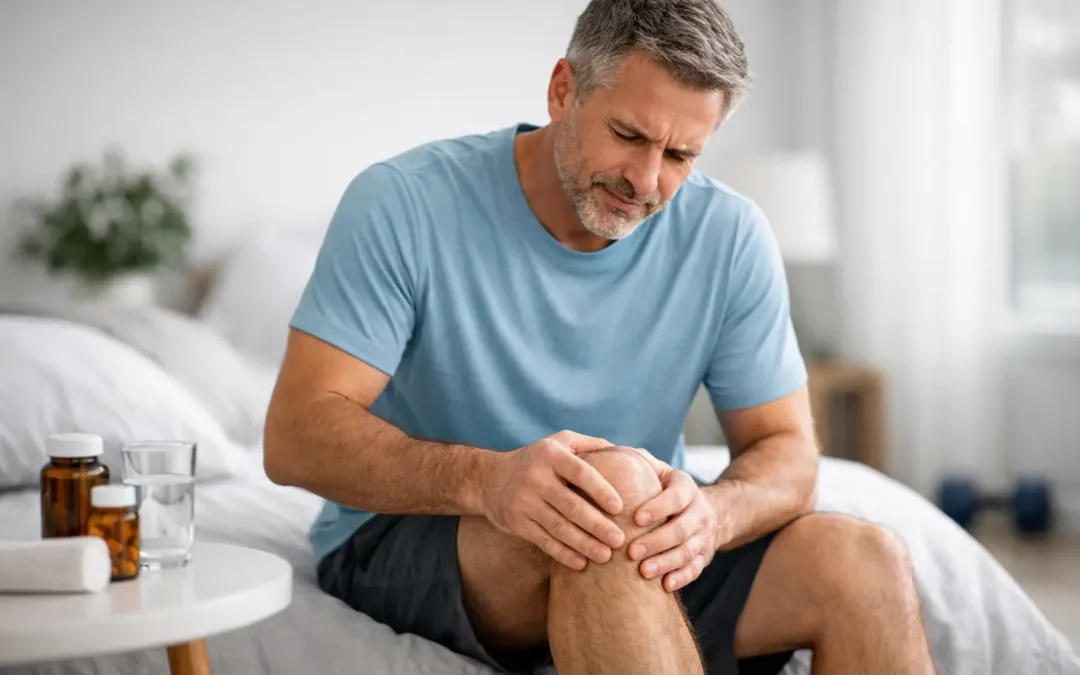
That stiff-knee walk down the stairs, the aching grip after a day on the job, or the shoulder pain that ruins a workout is not something you need to simply tough out. Effective arthritis relief for men starts with identifying what is driving the pain, then building a plan that protects your joints without putting the rest of your life on pause.
Arthritis is common, but it is not one single condition. Osteoarthritis involves wear and changes in the joint over time and often affects knees, hips, hands, and the spine. Rheumatoid arthritis and psoriatic arthritis are inflammatory conditions that need medical treatment to prevent joint damage. Gout can cause sudden, severe attacks, often in the big toe, and is especially relevant for men.
The right approach depends on the diagnosis, your age, body weight, job demands, training history, and the joints involved. The goal is not to become inactive. It is to stay capable, strong, and mobile with less pain.
Arthritis Relief for Men Starts With the Right Diagnosis
Many men call any joint pain arthritis, but a sore elbow from lifting, a torn meniscus, nerve pain from the back, or tendonitis may require a different plan. If pain has lasted more than a few weeks, keeps returning, limits work or exercise, or causes swelling, schedule an evaluation with a clinician.
Pay attention to the pattern. Osteoarthritis pain often gets worse with activity and may feel stiff after sitting. Inflammatory arthritis may cause morning stiffness lasting longer than 30 minutes, warmth, swelling, fatigue, or pain in several joints on both sides of the body. A sudden red, hot, intensely painful joint can be gout or an infection, both of which deserve prompt medical attention.
Getting a diagnosis is not about being dramatic. It helps you avoid wasting months on the wrong fix. If inflammation is damaging a joint, early treatment can make a major difference in long-term function.
Keep Moving, but Change How You Train
When joints hurt, rest feels logical. Short-term rest can help during a flare, but avoiding movement for too long usually makes stiffness, weakness, and pain worse. Muscles support joints. Lose strength, and the joint often has to absorb more force.
Low-impact cardio is one of the most reliable tools for improving mobility and reducing pain sensitivity. Walking on level ground, cycling, swimming, water exercise, rowing, and using an elliptical can all work. The best option is the one you can repeat consistently without causing a major pain spike the next day.
Use the 24-hour rule: mild discomfort during activity may be acceptable, but pain or swelling that is significantly worse the following day means the session was too hard, too long, or poorly matched to your current condition. Reduce the load, range of motion, speed, or duration and build back gradually.
Strength training matters just as much. For knee arthritis, stronger quads, hamstrings, glutes, and calves can improve how the leg handles everyday force. For shoulder or hand arthritis, smart upper-body training can preserve function without grinding through painful reps. Machines, resistance bands, cable exercises, and controlled body-weight movements are often easier to adjust than heavy free weights.
You do not need to stop training because you have arthritis. You may need to stop training the same way you did at 25. That is a smart adjustment, not a loss of toughness.
Train Around the Painful Joint
If your knees are flaring up, it may be time to emphasize upper-body work, core training, and nonimpact conditioning for a few weeks. If your hands hurt, lifting straps, larger grips, machines, or lower-grip-demand exercises may let you keep building strength. A physical therapist can help you find substitutions that fit your job, sport, and gym routine.
Avoid the all-or-nothing approach. A man who does nothing for two weeks, then tries to make up for it with a hard weekend of yard work, basketball, or heavy squats often ends up in a worse cycle.
Reduce Joint Load Without Shrinking Your Life
For men with knee, hip, ankle, or back arthritis, body weight can strongly affect symptoms. Losing even a modest amount of weight can reduce force through weight-bearing joints with every step. That does not mean crash dieting or chasing a scale number at the expense of muscle.
A better target is gradual fat loss while protecting strength. Build meals around protein-rich foods, vegetables or fruit, high-fiber carbohydrates, and healthy fats. Limit the highly processed foods and alcohol habits that make it easy to overshoot calories without feeling satisfied.
Alcohol also deserves special attention if you have gout. Beer, spirits, and heavy drinking can raise the risk of attacks in some men. Hydration, weight management, and a clinician-guided plan for uric acid can be more useful than trying to eliminate every food you enjoy.
Work demands count too. Repeated kneeling, climbing, lifting, vibration, and long hours on hard surfaces can aggravate symptoms. Supportive footwear, knee pads, better lifting mechanics, short movement breaks, and task rotation may sound basic, but they can reduce the cumulative stress that keeps a joint irritated.
Use Heat, Cold, and Recovery Strategically
Heat often helps stiffness. A warm shower, heating pad, or warm-up before activity can make a joint easier to move, especially first thing in the morning. Cold can be more useful after activity or during a flare with swelling and heat. Use either for short sessions and protect your skin with a cloth barrier.
Sleep is another overlooked arthritis tool. Poor sleep lowers pain tolerance, makes training recovery harder, and can push you toward less activity the next day. Keep a consistent sleep schedule, limit late-night alcohol, and address loud snoring or possible sleep apnea. Men who treat sleep as optional often find that pain becomes harder to manage.
Stress does not cause arthritis, but it can turn the volume up on pain. A daily walk, breathing practice, time outside, or a noncompetitive hobby can help break the pattern of stress, poor sleep, and increased symptoms.
Medication Can Be Part of Arthritis Relief for Men
Medication is not a personal failure, and it should not be viewed as a substitute for movement and healthy habits. For some men, it creates enough symptom relief to exercise, sleep, and function normally again.
Over-the-counter options such as acetaminophen or nonsteroidal anti-inflammatory drugs, including ibuprofen and naproxen, may help some people. But NSAIDs can raise risks for stomach bleeding, kidney problems, blood pressure issues, and cardiovascular complications. They can also interact with blood thinners and other medications. Do not assume that over-the-counter means risk-free, especially if you are over 50 or have heart, kidney, liver, or ulcer concerns.
Topical anti-inflammatory gels can be useful for certain joints and may have fewer whole-body effects than pills. A clinician may also recommend injections, prescription anti-inflammatory medication, gout treatment, or disease-modifying drugs for inflammatory arthritis. If rheumatoid or psoriatic arthritis is suspected, delaying specialist care can allow lasting damage.
Be cautious with supplements marketed as joint cures. Some men report benefit from options such as glucosamine or turmeric, but results are mixed and product quality varies. Supplements can also interact with medications. They are optional tools, not a replacement for diagnosis, exercise, nutrition, or prescribed treatment.
Know When Pain Needs Faster Attention
Seek urgent medical care for a joint that becomes suddenly red, hot, swollen, and severely painful, particularly with fever or feeling unwell. Also get prompt evaluation after an injury if you cannot bear weight, the joint looks deformed, or you have numbness or weakness.
Make a regular appointment if joint pain wakes you at night, morning stiffness lasts a long time, multiple joints are swelling, or symptoms are steadily reducing your ability to work, train, or handle normal tasks. The sooner you deal with a changing joint, the more options you usually have.
Arthritis may require you to train smarter, recover better, and take symptoms seriously. It does not have to take away your independence. Build a plan you can follow on ordinary weeks, not just on your most motivated day, and let steady progress do the heavy lifting.
This article contains general information about medical conditions and treatments. The information is not advice, and should not be treated as such. Click here for further information.

