
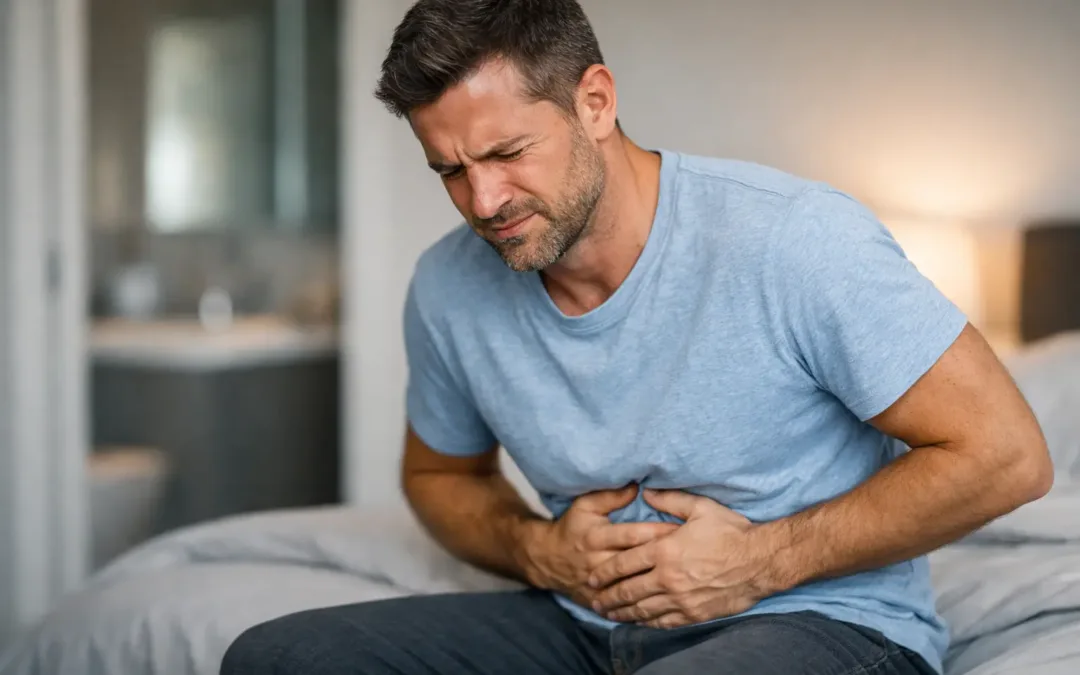
A stomach that turns unpredictable before a meeting, a workout, or a long drive can wear you down fast. IBS symptoms in men are not just an inconvenience - they can disrupt sleep, training, work performance, dating, and confidence. The good news is that many men can get meaningful relief once they identify their symptom pattern, rule out more serious causes, and make a focused plan.
What IBS Symptoms in Men Can Feel Like
Irritable bowel syndrome, or IBS, is a disorder of gut-brain interaction. That term means the digestive tract and nervous system are communicating in a way that produces real symptoms, even when standard testing does not show damage such as an ulcer or infection. IBS is common, manageable, and not a sign that the symptoms are imagined.
The defining feature is recurring abdominal pain or discomfort that is connected to bowel movements. For some men, the pain eases after using the bathroom. For others, it comes with a sudden need to go, straining, or the feeling that they were not fully able to empty their bowels.
Changes in bowel habits
IBS does not look identical from one man to the next. IBS with diarrhea, often called IBS-D, may cause loose stools, urgency, and frequent trips to the bathroom. A man with IBS-D may avoid breakfast before commuting or skip meals before a gym session because he does not trust his gut.
IBS with constipation, or IBS-C, can mean hard stools, fewer bowel movements, straining, and a persistent backed-up feeling. Some men have mixed IBS, where constipation and diarrhea alternate. This swing between extremes can be especially frustrating because the approach that helps one week may not work the next.
Pain, bloating, and gas
Cramping, lower abdominal pain, pressure, bloating, and excess gas are also common. Bloating can make the waistline feel tighter by the end of the day, even if body weight has not changed. It is often worse after meals and may make a man feel self-conscious at work, around a partner, or in fitted clothes.
Gas and burping can occur as well, but they are not enough on their own to diagnose IBS. The bigger clue is a recurring pattern: abdominal symptoms plus noticeable changes in stool frequency or stool form.
Symptoms men may overlook
IBS can affect more than the bathroom. Fatigue, poor sleep, nausea, lower appetite during flares, and trouble concentrating can all happen. Stress can raise the volume on symptoms, which is one reason a hard deadline, family conflict, poor sleep, or travel can trigger a bad week.
Men also sometimes notice that gut symptoms affect sex and relationships. Feeling bloated, needing to stay close to a bathroom, or worrying about an urgent episode can lower confidence and desire. That does not mean the issue is "all in your head." It means the physical and mental impact of a chronic digestive condition deserves attention.
Why Men May Miss the Signs
IBS is sometimes treated as a women’s health issue because women are diagnosed more often. But men get IBS too, and they may be less likely to discuss bowel changes or seek care until symptoms interfere with daily life. Some write it off as bad food, stress, too much coffee, or the cost of eating high-protein meals while trying to build muscle.
Those factors can contribute, but ongoing symptoms should not simply be pushed through. Repeated diarrhea, constipation, or abdominal pain is feedback from your body. Getting answers can protect your quality of life and prevent you from missing another condition that needs different treatment.
There is no single known cause of IBS. It can involve changes in gut sensitivity, bowel movement speed, the gut microbiome, food reactions, prior stomach infections, stress, and sleep disruption. Testosterone levels are not considered a direct cause of IBS, although stress, poor recovery, alcohol use, and diet changes can affect both digestive health and overall male performance.
IBS or Something Else?
IBS is usually diagnosed from symptoms, medical history, a physical exam, and selective testing when needed. A clinician may check for conditions that can mimic IBS, including celiac disease, inflammatory bowel disease, lactose intolerance, thyroid disorders, medication side effects, infections, or colorectal cancer.
This distinction matters. IBS does not cause intestinal bleeding, unexplained weight loss, or persistent fever. If you have symptoms that are new after age 50, a family history of colon cancer or inflammatory bowel disease, or symptoms that wake you regularly at night, do not assume it is IBS.
Your doctor may ask about the timing of pain, stool appearance, diet, stress, supplements, medications, and recent travel. Be direct. Mention pre-workout products, protein powders, magnesium, nicotine, alcohol, antibiotics, and over-the-counter pain relievers. Each can affect the gut, and an accurate picture makes it easier to find the right strategy.
Common Triggers Worth Checking
Food triggers are highly individual, so there is no universal IBS diet. Still, large fatty meals, alcohol, excess caffeine, carbonated drinks, sugar alcohols found in some protein bars and sugar-free products, onions, garlic, beans, dairy, and highly processed foods commonly cause trouble for some people.
For men focused on fitness, supplements deserve a closer look. Whey concentrate may trigger symptoms in people who do not tolerate lactose well, while high-dose creatine or magnesium can loosen stools in some users. Many pre-workouts combine caffeine, sweeteners, and other ingredients that can increase urgency or cramping. That does not mean you need to quit every supplement. It means testing one variable at a time is smarter than guessing.
Stress management is not a soft recommendation. The gut and nervous system are closely connected. A poor night of sleep, an overloaded schedule, and constantly eating on the run can make symptoms harder to control. Regular movement, consistent meal timing, and a few minutes of slow breathing before meals can help some men reduce flares.
A Practical Plan for Better Control
Start by tracking symptoms for two weeks. Write down meals, drinks, supplements, bowel movements, stress level, sleep, and pain or bloating. The goal is not to obsess over every bite. It is to spot patterns, such as diarrhea after energy drinks or bloating after large dairy-heavy meals.
Then make one targeted change for a short period. If you suspect caffeine, reduce it rather than changing your entire diet overnight. If constipation is the main issue, gradually increasing soluble fiber may help, but adding a large amount of fiber too quickly can worsen gas and bloating. Hydration, daily walking, and regular bathroom time can also support more predictable bowel movements.
If diarrhea is your main problem, focus on hydration and consider whether alcohol, coffee, greasy meals, or sugar alcohols are involved. Avoid skipping food all day and then eating one huge dinner. Smaller, more consistent meals are often easier on an irritated gut.
A registered dietitian or clinician can guide a short-term low-FODMAP approach if symptoms remain disruptive. This is a structured elimination and reintroduction plan, not a permanent restrictive diet. Done properly, it can help identify specific carbohydrate triggers while keeping nutrition, training fuel, and long-term flexibility in mind.
When to Get Medical Care Promptly
Book an appointment if symptoms keep returning, interfere with daily life, or have lasted several weeks. Seek urgent medical care for warning signs such as:
- Blood in the stool or black, tar-like stools
- Unintentional weight loss or a major loss of appetite
- Fever, ongoing vomiting, or severe worsening pain
- New bowel changes after age 50
- Symptoms that repeatedly wake you from sleep
- A close family history of colon cancer, celiac disease, or inflammatory bowel disease
IBS can be frustrating, but you do not have to accept a life organized around the nearest bathroom. Treat recurring symptoms as a solvable health project: get checked, identify your triggers, build routines that support your gut, and give your body the consistency it needs to perform better.
This article contains general information about medical conditions and treatments. The information is not advice, and should not be treated as such. Click here for further information.

