
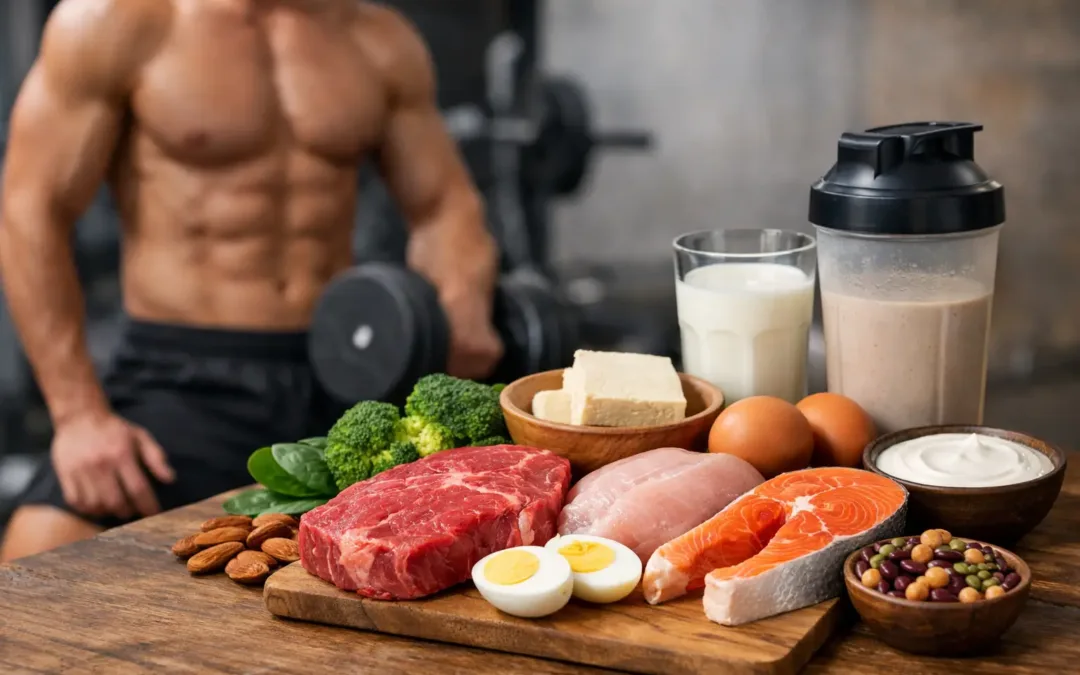
Your afternoon energy crash, slow gym progress, and constant urge to snack may have less to do with willpower than you think. Many men simply do not get enough protein, or they get most of it from a single oversized dinner. The best protein sources men rely on should help preserve muscle, control hunger, support recovery, and fit real life, whether you are 25 and training hard or 55 and trying to stay lean and capable.
Protein is not just for bodybuilders. Your body uses amino acids to maintain muscle tissue, make enzymes and hormones, support immune function, and recover from everyday physical stress. As men get older, protecting lean muscle becomes even more valuable for strength, mobility, metabolism, and independence.
How Much Protein Do Men Actually Need?
The basic recommended dietary allowance for adults is 0.8 grams of protein per kilogram of body weight per day. That number prevents deficiency, but it may not be the best target for an active man, a man losing weight, or a man over 40 who wants to hold on to muscle.
A practical range for many active men is about 0.7 to 1 gram of protein per pound of body weight daily. A 180-pound man, for example, may do well with roughly 125 to 180 grams a day, depending on his training, calorie intake, age, and goals. Men with kidney disease or other medical conditions should get individualized guidance from their clinician before making major protein changes.
Just as important, spread protein across the day. A breakfast with 30 grams of protein generally does more for fullness and muscle support than coffee and a pastry followed by a huge steak at night. Aim for a meaningful serving at three or four meals rather than treating protein as a dinner-only food.
Best Protein Sources for Men, Ranked by Real-Life Value
No single food wins every category. Some proteins are lean and convenient, others bring beneficial fats, fiber, iron, calcium, or vitamin B12. The strongest plan uses variety instead of depending on chicken breast and protein shakes forever.
Eggs: a simple high-quality staple
Eggs are one of the most efficient protein foods in a man's kitchen. Two large eggs provide around 12 grams of complete protein, meaning they contain all nine essential amino acids your body must get from food. They also supply choline, selenium, vitamin B12, and nutrients that support normal energy metabolism.
Whole eggs can fit into a heart-smart diet for most people. If you need more protein without adding many calories, combine whole eggs with egg whites. Try two whole eggs plus egg whites in an omelet with vegetables, or make hard-boiled eggs an easy grab-and-go snack.
Greek yogurt and cottage cheese: protein that works beyond breakfast
Plain Greek yogurt typically provides 15 to 20 grams of protein per serving, while cottage cheese can deliver 20 grams or more. Both are convenient options for men who struggle to eat enough protein early in the day. They also provide calcium, which matters for bone health as you age.
Choose plain versions when possible and add berries, nuts, cinnamon, or fruit yourself. Flavored yogurts can carry more added sugar than you expect. Cottage cheese is especially useful before bed because its casein protein digests slowly, although the bigger picture is still your total daily intake.
Chicken and turkey: lean, flexible, and easy to portion
Skinless chicken breast and turkey breast are reliable options for building meals around protein without using up too many calories. A cooked 4-ounce portion usually contains roughly 30 to 35 grams of protein. That makes poultry particularly useful when fat loss is the goal and hunger is a problem.
The trade-off is boredom. Avoid the cycle of bland chicken and then takeout by changing the preparation: grill it, roast it, use it in chili, add it to a grain bowl, or season it for tacos. Deli turkey is convenient, but it is often high in sodium, so make it an occasional shortcut rather than your main source.
Salmon, tuna, and sardines: protein with heart benefits
Fish earns a place among the best protein sources for men because it brings more than amino acids. Salmon, sardines, trout, and other fatty fish provide omega-3 fats that support cardiovascular health and may help manage inflammation. This matters because heart disease remains a major health threat for American men.
A 4-ounce serving of salmon provides about 25 grams of protein. Canned tuna and salmon are affordable pantry choices, while sardines offer protein, omega-3s, vitamin D, and calcium from their soft edible bones. Rotate your seafood choices and avoid relying heavily on large predatory fish, which can contain more mercury.
Lean beef: useful for iron, B12, and strength-focused diets
Lean beef provides complete protein along with iron, zinc, creatine, and vitamin B12. Those nutrients make it a practical choice for men who train hard, feel run-down, or have low iron intake, especially if they do not eat much seafood.
Portion and cut matter. Choose leaner options such as sirloin, top round, eye of round, or 90% lean ground beef more often than ribeye, burgers, and processed meats. Beef can be part of a healthy diet, but building every meal around red or processed meat is not the best move for long-term heart and colon health.
Beans, lentils, and soy: the overlooked muscle-supporting foods
Plant proteins count. Lentils, black beans, chickpeas, edamame, tofu, tempeh, and soy milk contribute protein while also delivering fiber, potassium, and beneficial plant compounds. Fiber is a major advantage for men trying to reduce cholesterol, improve blood sugar control, or lose abdominal fat.
Soy deserves special attention because it is a complete protein. Normal food amounts of soy do not lower testosterone in men. Tofu or edamame can work as a main protein source, while beans and lentils make excellent additions to meat-based meals when you want more volume and fiber.
Protein powder: a tool, not a replacement for meals
Whey protein is convenient, fast-digesting, and high in leucine, an amino acid that helps trigger muscle protein synthesis. It is useful after training, during a rushed morning, or when your food intake falls short. A typical scoop provides 20 to 30 grams of protein.
But a shake cannot replace the vitamins, minerals, fiber, and satisfaction of whole foods. Use powder to fill a gap, not as the foundation of your diet. If dairy bothers your stomach, try whey isolate, lactose-free options, soy protein, or a blended plant protein powder.
Build Protein Into Meals You Will Actually Eat
Consistency beats perfection. Start by identifying the meal where your protein intake is weakest. For many men, it is breakfast. Swap a low-protein breakfast for eggs with whole-grain toast, Greek yogurt with fruit, cottage cheese and oats, or a smoothie made with protein powder and milk.
At lunch and dinner, use a simple visual approach: make protein the anchor, then add vegetables, a high-fiber carbohydrate, and a source of healthy fat. A plate of salmon, roasted potatoes, and broccoli is not complicated, but it covers a lot of nutritional ground. So does lean beef chili with beans, tomatoes, and peppers.
Snacks can help close the gap when your schedule is packed. Greek yogurt, jerky with lower sodium, hard-boiled eggs, tuna packets, cottage cheese, edamame, and a protein shake are better choices than relying on chips or pastries when hunger hits.
Do Not Let “High Protein” Become an Excuse for a Poor Diet
Protein bars, bacon, oversized burgers, and processed shakes can technically raise your protein total, but quality still matters. Watch sodium, saturated fat, added sugar, and how few vegetables or fiber your diet contains. The goal is to fuel a stronger body, not merely chase a number in a nutrition app.
If you are working to improve testosterone, libido, blood pressure, blood sugar, or body composition, protein works best alongside resistance training, quality sleep, regular movement, and a diet built mostly from minimally processed foods. Food supports the foundation. It does not replace treatment for a medical condition.
Start with one change this week: add a high-quality protein serving to the meal you usually neglect. That small move can make it easier to train, eat with more control, and keep building the strength you want for the years ahead.
This article contains general information about medical conditions and treatments. The information is not advice, and should not be treated as such. Click here for further information.

