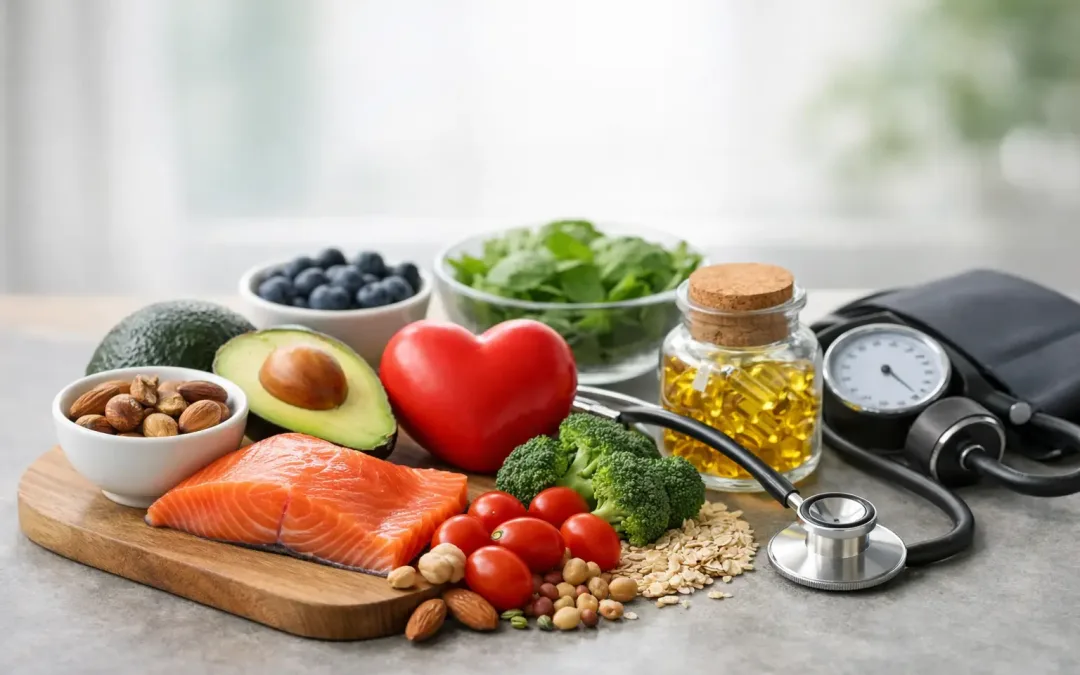
Your cholesterol number does not care whether you feel fine. A lot of men find out they have high LDL after a routine physical, and the surprise hits harder if they also have a family history of heart disease, a growing waistline, or blood pressure that has been creeping up. If you are wondering how to lower cholesterol naturally, the good news is that daily habits can move the needle in a real way.
This is not about eating like a monk or training like a pro athlete. It is about stacking practical choices that improve your numbers, protect your arteries, and usually help with other things men care about too - energy, stamina, body composition, and long-term performance.
How to lower cholesterol naturally starts with the right target
Before changing your routine, it helps to know what you are trying to change. Cholesterol is not just one number. LDL is the type most often linked with plaque buildup in arteries. HDL helps carry cholesterol away from the bloodstream. Triglycerides matter too, especially if your diet is heavy in sugar, alcohol, or excess calories.
For most men, the natural goal is not to eliminate dietary fat or chase one magic food. The goal is to lower LDL, improve triglycerides if they are high, and support overall cardiovascular health. That usually means improving food quality, moving more, reducing visceral fat, and cutting habits that drive inflammation and metabolic problems.
If your cholesterol is only mildly elevated, lifestyle changes may make a strong difference. If it is very high, or if you also have diabetes, high blood pressure, or a strong family history, natural strategies still matter, but they may need to work alongside medication. That is not failure. That is smart risk management.
Change the fats you eat, not just the amount
One of the fastest ways to improve cholesterol is to stop thinking in terms of low fat versus high fat and start thinking in terms of better fat versus worse fat.
Saturated fat can raise LDL in many people, especially when it comes from heavily processed foods, fatty cuts of red meat, butter-heavy meals, and full-fat packaged snacks. That does not mean every gram of saturated fat is automatically dangerous, but if your LDL is high, this is one of the first places to clean things up.
Unsaturated fats tend to work in your favor. Olive oil, avocados, nuts, seeds, and fatty fish like salmon and sardines can support healthier cholesterol patterns. Swapping a fast-food burger and fries for grilled fish, potatoes, and vegetables is not a small move. Done consistently, that kind of trade changes your lab work over time.
Trans fats deserve special attention. They are far worse than the fats your body actually needs and can raise LDL while lowering HDL. They are less common than they used to be, but packaged baked goods, fried foods, and cheap snack foods can still be a problem.
Fiber does more work than most men realize
If there is one nutrition upgrade that pays off fast, it is eating more soluble fiber. This type of fiber helps reduce the absorption of cholesterol in the digestive tract, which can lower LDL over time.
Oats, beans, lentils, apples, citrus fruits, barley, chia seeds, and ground flaxseed are solid choices. You do not need a perfect meal plan to benefit. A bowl of oatmeal instead of sugary cereal, beans added to lunch, and fruit instead of pastries can make a measurable difference.
This is where many men get stuck. They aim for dramatic overhauls, then fall off after a week. A more effective move is building repeatable meals that make healthier eating automatic. Breakfast with oats and berries. Lunch with lean protein and beans. Dinner with vegetables and a high-fiber carb instead of a pile of refined starch.
Cut back on refined carbs and added sugar
High cholesterol is often tied to more than one metabolic issue. Men with excess belly fat, insulin resistance, or prediabetes often have a pattern that includes high triglycerides, lower HDL, and smaller, denser LDL particles that may raise cardiovascular risk.
That is one reason cutting sugar matters. Soda, energy drinks, desserts, sweet coffee drinks, and oversized portions of white bread or chips can push triglycerides up and make weight control harder. Many guys focus only on steak and eggs when they think about cholesterol, but the bigger problem may be the liquid calories, late-night snacks, and ultra-processed carbs.
You do not need to fear all carbohydrates. The better approach is choosing carbs that come with fiber and nutrients, like beans, fruit, oats, quinoa, and sweet potatoes. It is less about going extreme and more about getting rid of the stuff that offers calories without much benefit.
Exercise is one of the best natural cholesterol tools
If you want to know how to lower cholesterol naturally without obsessing over every bite of food, start moving consistently. Exercise can raise HDL, improve triglycerides, support weight loss, and improve how your body handles blood sugar.
Cardio helps, but it does not need to be complicated. Brisk walking, cycling, rowing, swimming, and jogging all count. The main thing is consistency. A man who walks hard for 30 to 45 minutes five days a week usually gets more benefit than a man who crushes one workout on Saturday and sits the rest of the week.
Strength training matters too, especially for men over 40. It helps preserve muscle, improve insulin sensitivity, and support a healthier body composition. That matters because carrying more muscle and less abdominal fat tends to improve more than appearance. It helps your whole metabolic profile.
If your schedule is tight, combine approaches. Lift weights three times a week and walk daily. Add short bursts of intensity if your fitness level allows it. The goal is not athletic perfection. The goal is becoming a man whose routine actively protects his heart.
Losing abdominal fat can improve your numbers
A lot of men want cholesterol advice that does not involve weight loss. Sometimes that is possible, especially if food quality is the main issue. But if you are carrying extra fat around the midsection, losing even a modest amount often improves cholesterol and triglycerides.
Belly fat is not just stored energy. It is metabolically active tissue linked with inflammation, insulin resistance, and higher cardiovascular risk. That makes waist size an important health marker, not just a cosmetic one.
You do not need to chase rapid weight loss. In fact, slow and steady usually works better. A consistent calorie deficit, better food quality, and more movement can produce meaningful changes without wrecking your energy or making your diet impossible to sustain.
Alcohol, smoking, and sleep all matter
This is where some men leave easy wins on the table. Heavy drinking can raise triglycerides and make weight control much harder. If you drink often, cutting back may help more than another supplement.
Smoking is even more damaging. It lowers HDL, harms blood vessels, and multiplies heart risk. If you smoke, quitting is one of the strongest moves you can make for your cholesterol profile and your circulation overall.
Sleep is less obvious but still important. Poor sleep can worsen appetite control, insulin resistance, blood pressure, and recovery. Men who regularly sleep too little often find it harder to maintain workouts, eat well, and lose weight. That makes sleep a cholesterol issue even if it does not show up that way on the surface.
Can supplements help?
Some can, but they are not a shortcut. Soluble fiber supplements like psyllium may help lower LDL if your diet is low in fiber. Plant sterols can also help some people reduce cholesterol absorption. Omega-3 supplements may support triglycerides, although fatty fish is usually the better first step.
Red yeast rice gets attention because it can affect cholesterol, but it is not risk-free and quality can vary widely. Niacin was once popular too, but it is not something to take casually. Supplements can interact with medications and may not be appropriate if you have liver issues or other conditions.
That is the trade-off. Some supplements offer modest benefits, but food, activity, weight control, and smoking cessation usually have the biggest impact.
When natural strategies may not be enough
There is a tough truth here. Some men do almost everything right and still have high cholesterol because genetics are a major factor. Familial hypercholesterolemia and strong inherited patterns can keep LDL elevated even with a disciplined lifestyle.
If your numbers stay high after a serious effort, or if your LDL is extremely elevated from the start, do not treat medical therapy as a personal defeat. Lifestyle changes still matter because they reduce overall risk and help medication work better. The strongest plan is often both, not either-or.
It also makes sense to recheck your labs after giving your new routine enough time to work, usually a few months. Guessing is not a strategy. Testing tells you whether your plan is actually lowering risk.
The best natural cholesterol plan is the one you can keep when life gets busy. Eat more fiber, improve fat quality, train consistently, drop excess belly fat, and stop letting convenience foods run the show. Small choices repeated for months can change more than one blood test. They can change the direction of your health.
This article contains general information about medical conditions and treatments. The information is not advice, and should not be treated as such. Click here for further information.