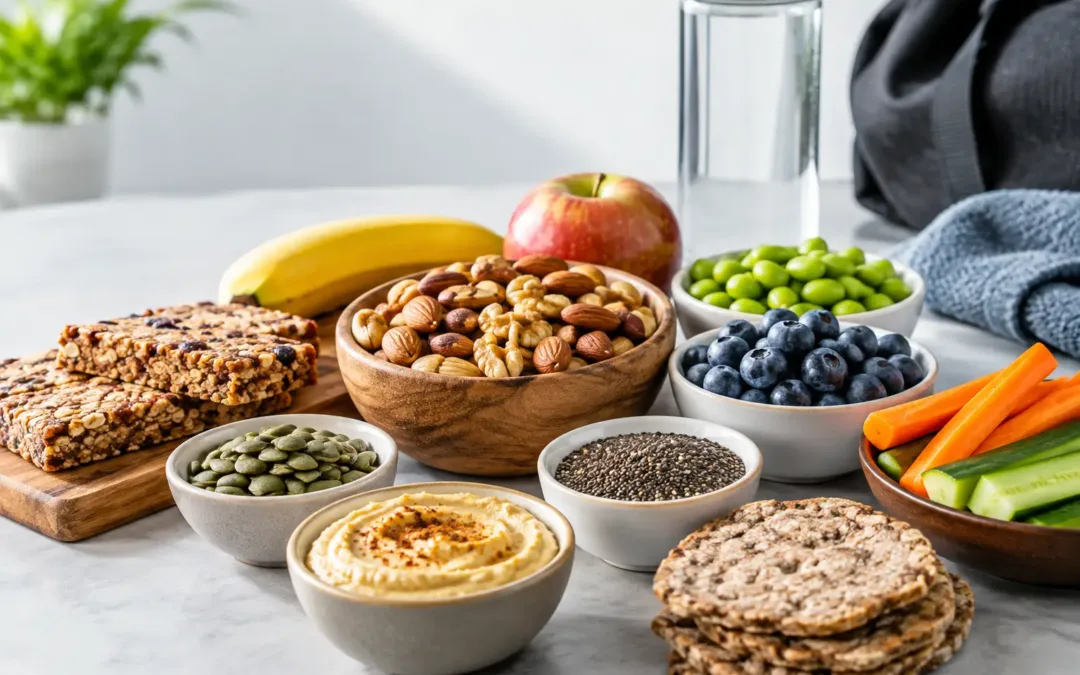
That midafternoon crash is not always a caffeine problem. Often, it is the result of a lunch or snack built around refined carbs that digests fast and leaves you hungry again an hour later. The best fiber rich snacks give you a more useful combination: steadier energy, better fullness, and a simple way to close the fiber gap that many men have every day.
Most adult men need about 38 grams of fiber daily before age 51 and about 30 grams after 50. Many fall well short, especially when meals are heavy on meat, white bread, chips, protein bars, and takeout. That matters because fiber supports regular bowel movements, helps manage cholesterol, can improve blood sugar control, and makes it easier to stay satisfied when you are trying to lose fat or maintain your weight.
Why Fiber Matters for Men's Health
Fiber is the part of plant foods your body does not fully digest. Some types add bulk and help keep bowel movements regular. Others form a gel-like texture in the gut that can slow digestion and support healthier cholesterol and blood sugar levels. Fermentable fibers also feed beneficial gut bacteria.
For men focused on performance, the practical benefit is appetite control. A snack with fiber, protein, and some healthy fat tends to keep you full longer than crackers, candy, or a sugary coffee drink. That can make it easier to hit your calorie target without feeling like you are white-knuckling hunger all afternoon.
Fiber is not a magic fix for low energy, belly fat, constipation, or high cholesterol. A snack will not raise testosterone or replace exercise, sleep, medication, and a solid overall diet. But it is one of the most underused nutrition tools for protecting long-term heart and metabolic health, especially as cardiovascular risk rises with age.
12 Best Fiber Rich Snacks for Busy Men
The fiber amounts below are approximate and can vary by brand, portion size, and preparation. Choose the options that fit your schedule, calorie needs, and digestive tolerance.
1. Raspberries and Greek Yogurt
One cup of raspberries provides roughly 8 grams of fiber. Pair it with plain Greek yogurt for protein, then add cinnamon or a small handful of nuts if you need a more filling snack. This works well after training or as a high-protein alternative to a sweet dessert.
2. A Pear With String Cheese
A medium pear supplies around 5 to 6 grams of fiber, much of it in the skin. Add a stick of cheese for protein and fat, which helps make the snack more satisfying. Keep the skin on, wash it well, and choose a pear that is ripe enough to eat comfortably.
3. Apple Slices With Natural Peanut Butter
An apple delivers about 4 to 5 grams of fiber, while peanut butter adds staying power. Look for peanut butter made primarily from peanuts and salt rather than one loaded with added sugar. Two tablespoons is usually enough, since the calories can climb quickly if you eat it straight from the jar.
4. Roasted Chickpeas
Roasted chickpeas are crunchy, portable, and far more filling than most chips. A half-cup serving can provide about 6 grams of fiber along with plant protein. Make your own with olive oil and spices, or buy a packaged version and check sodium levels if you are watching blood pressure.
5. Shelled Edamame
Edamame gives you fiber, protein, and minerals in one easy snack. A half-cup serving provides about 4 grams of fiber, and frozen edamame can be microwaved in minutes. Lightly salt it, use chili flakes, or add garlic powder for a better option than vending-machine snacks.
6. Air-Popped Popcorn
Popcorn counts as a whole grain, not just a movie-night food. Three cups of air-popped popcorn provide roughly 3 to 4 grams of fiber for relatively few calories. The catch is the toppings: butter-heavy theater popcorn and sugary kettle corn can turn a smart snack into a calorie bomb fast.
7. Chia Pudding
Two tablespoons of chia seeds provide close to 10 grams of fiber. Stir them into milk or a milk alternative, let the mixture sit until thickened, and add berries for more flavor and fiber. Chia absorbs liquid, so start with a smaller portion if you are not used to high-fiber foods.
8. Overnight Oats
A half-cup of dry oats contains about 4 grams of fiber before you add fruit, chia, or nuts. Prepare overnight oats in a jar with Greek yogurt or protein powder when you know a rushed morning is coming. Skip the dessert-style recipes packed with syrup, candy, and oversized portions.
9. Whole-Grain Crackers and Hummus
This is a practical desk, car, or post-work option when you need something savory. Whole-grain crackers provide more fiber than refined crackers, while hummus contributes fiber, protein, and healthy fats from chickpeas and tahini. Read the package, because terms like “multigrain” do not always mean the product is high in whole grains.
10. Avocado on Whole-Grain Crispbread
Half an avocado provides around 5 grams of fiber, and crispbread adds crunch without requiring much prep. Add pepper, red pepper flakes, or a hard-boiled egg if you need more protein. Avocado is calorie-dense, so it is excellent for satiety but may not fit a large portion if fat loss is your main goal.
11. Black Bean Salsa With Veggies
A bean-based salsa or dip gives you a stronger fiber boost than most creamy dips. Scoop it with bell pepper strips, cucumber rounds, or a modest serving of whole-grain tortilla chips. Beans can cause gas for some men, particularly if they are rarely on the menu, so build up gradually rather than starting with a huge bowl.
12. Prunes and Walnuts
Prunes have a reputation for a reason: they can help promote regularity, and five prunes provide around 3 grams of fiber. Pair them with a small portion of walnuts for crunch and healthy fats. This is particularly useful if travel, a low-produce diet, or a change in routine tends to slow your digestion.
How to Choose Better High-Fiber Packaged Snacks
Convenience matters. If your workdays are packed, a perfect homemade snack that never leaves your kitchen is less useful than a decent packaged choice you will actually eat. As a practical rule, look for at least 3 grams of fiber per serving, and preferably 5 grams or more when the snack is meant to keep you full.
Also check added sugar, sodium, and protein. A bar with 10 grams of fiber may sound impressive, but it may also contain sugar alcohols that cause bloating or urgent bathroom trips. If you have a sensitive gut, choose simpler foods first: fruit, oats, popcorn, beans in moderate portions, and nuts.
Pairing matters more than chasing the highest number on the label. Fruit alone is nutritious, but fruit plus yogurt, cheese, nuts, or nut butter is usually better when you need sustained energy. The same goes for crackers: combine them with hummus or tuna rather than eating a sleeve while staring at your inbox.
Increase Fiber Without Wrecking Your Gut
Going from a low-fiber diet to 35 grams a day overnight can leave you bloated, gassy, and uncomfortable. Add one higher-fiber snack or meal change at a time for a week, then increase from there. Drink enough water as you raise your fiber intake, since fiber works best when your overall hydration is solid.
If you have ongoing constipation, unexplained weight loss, rectal bleeding, severe abdominal pain, or a major change in bowel habits, do not try to solve it with snack food alone. Those symptoms deserve a conversation with a healthcare professional.
Start with one snack you genuinely like and can keep on hand. A bowl of berries after the gym, roasted chickpeas in your work bag, or popcorn instead of chips can become a small daily decision that pays off in better digestion, appetite control, and energy over time.
This article contains general information about medical conditions and treatments. The information is not advice, and should not be treated as such. Click here for further information.