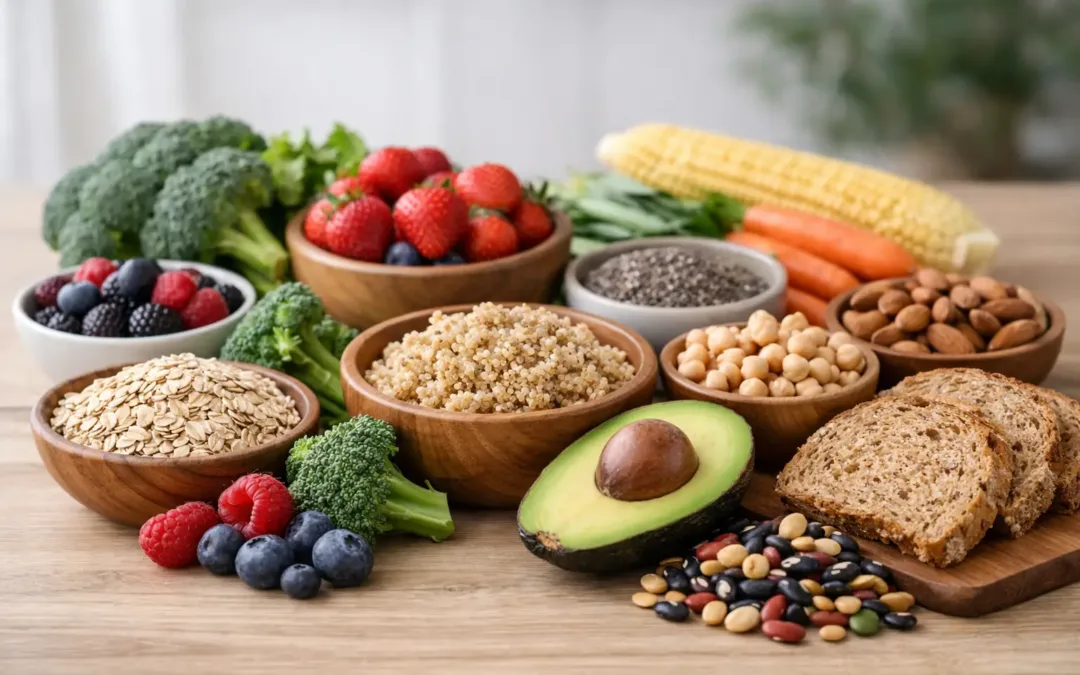
A guy can train hard, hit his protein target, and still feel sluggish, hungry, and backed up if his diet is short on fiber. The best high fiber foods men can eat do more than keep digestion regular. They can support cholesterol control, healthier blood sugar, easier weight management, and the steady energy needed for work, training, and family life.
Most American men fall well below the daily fiber target. Men up to age 50 generally need about 38 grams a day, while men over 50 need around 30 grams. That does not mean forcing down bland cereal or eating giant salads. It means building meals around satisfying plant foods that also bring protein, potassium, magnesium, and other nutrients men often need more of.
Why Fiber Matters More for Men Than Most Think
Fiber is the part of plant foods your body does not fully digest. Some types add bulk to stool and help keep bowel movements predictable. Other types feed beneficial gut bacteria and form a gel-like substance that can help slow digestion, blunt blood sugar spikes, and lower LDL cholesterol.
That matters because heart disease, high blood pressure, type 2 diabetes, and abdominal weight gain are major health concerns for men, especially after 40. Fiber is not a replacement for exercise, sleep, medication, or medical care, but it is one of the simplest nutrition upgrades that improves several risk factors at once.
There is also a performance benefit. A high-fiber meal with adequate protein can keep you full longer than a low-fiber meal built around refined carbs. That makes it easier to avoid the afternoon vending-machine run or late-night overeating that can quietly derail fat-loss goals.
12 Best High Fiber Foods for Men
The strongest approach is variety. Different plant foods contain different kinds of fiber, so rotating them gives your gut and the rest of your diet more to work with.
1. Black beans
Black beans provide roughly 15 grams of fiber per cooked cup, along with plant protein, iron, magnesium, and potassium. Add them to chili, burrito bowls, eggs, or a post-workout rice bowl. If beans cause gas, start with a half-cup serving and rinse canned beans well.
2. Lentils
Lentils are one of the most efficient fiber foods around, with about 15 grams per cooked cup. They cook faster than many dried beans and work well in soups, curries, salads, and lean ground turkey dishes. Their protein and fiber combination makes them especially useful for men trying to lose fat without feeling deprived.
3. Oats
Oats contain beta-glucan, a soluble fiber associated with better cholesterol management. A bowl of old-fashioned oats, topped with fruit and nuts, is a much stronger breakfast foundation than a pastry or sugary cereal. For a quick option, make overnight oats with Greek yogurt and berries.
4. Raspberries and blackberries
Berries deliver impressive fiber for relatively few calories. Raspberries provide about 8 grams per cup, while blackberries are close behind. Use frozen berries when fresh ones are expensive, and add them to oatmeal, yogurt, smoothies, or cottage cheese.
5. Pears and apples
Keeping the skin on is the key. A medium pear provides around 5 to 6 grams of fiber, while an apple offers roughly 4 to 5 grams. They are portable, require no prep, and make a better everyday snack than chips or candy. Pair one with peanut butter or a handful of nuts for more staying power.
6. Avocado
Avocado is not just a healthy-fat food. One medium avocado provides around 10 grams of fiber. It can improve the quality of a sandwich, taco bowl, omelet, or salad without making the meal feel like diet food. Watch portions if you are trying to maintain a calorie deficit, since avocados are energy-dense.
7. Sweet potatoes
Sweet potatoes bring fiber, potassium, and carotenoids to the plate. Bake one and use it as the carbohydrate base for chicken, salmon, or lean beef instead of relying only on white bread or fries. Leaving the skin on adds more fiber and texture.
8. Broccoli
Broccoli is an easy win because it fits into almost any dinner. It supplies fiber, vitamin C, vitamin K, and plant compounds that support an overall health-focused eating pattern. Roast it until the edges brown, stir-fry it with garlic, or add it to pasta and rice dishes.
9. Brussels sprouts
Brussels sprouts are another high-fiber cruciferous vegetable worth keeping in the rotation. They can be especially useful for men who want more volume on the plate while controlling calories. Roast them with olive oil, black pepper, and a little balsamic vinegar instead of boiling them into submission.
10. Chia seeds
Two tablespoons of chia seeds contain close to 10 grams of fiber. Stir them into oatmeal, yogurt, or a smoothie, or make chia pudding for a simple make-ahead breakfast. They absorb liquid, so they are best paired with adequate fluids rather than eaten dry by the spoonful.
11. Pumpkin seeds
Pumpkin seeds are not as fiber-heavy as beans or berries, but they earn a place because they provide fiber alongside protein, magnesium, zinc, and healthy fats. Sprinkle them over salads, oats, or yogurt. They are a practical swap for low-nutrition crunchy snacks.
12. Whole-grain pasta, bread, and brown rice
Whole grains are not identical, and some products are only lightly higher in fiber than their refined versions. Read the label and look for several grams of fiber per serving, with a whole grain listed first. Whole-grain pasta, barley, quinoa, farro, and brown rice can make familiar meals more filling without requiring a complete diet overhaul.
How to Eat More Fiber Without Wrecking Your Gut
The fastest way to make fiber miserable is to jump from a low-fiber diet to huge servings of beans, bran, and raw vegetables overnight. Bloating, gas, and cramping are common when the increase is too aggressive. Add one high-fiber food or swap per day for a week, then build from there.
Water matters too. Fiber works best when you are adequately hydrated. If your stools become hard or you feel more constipated after increasing fiber, low fluid intake may be part of the problem. Regular movement also helps, which is another reason a daily walk pays off beyond calorie burn.
A practical day might look like oats and berries at breakfast, an apple with nuts in the afternoon, a bean-based lunch, and broccoli or sweet potato with dinner. That pattern can add 20 or more grams of fiber before you make any dramatic changes.
High-Fiber Eating for Muscle, Weight Loss, and Men Over 40
Men focused on building muscle do not need to fear fiber. The key is timing and total food volume. Very high-fiber meals immediately before hard training may feel heavy, so choose easier-to-digest carbs before a workout and place larger servings of beans, vegetables, and whole grains at other meals.
For fat loss, fiber helps make a calorie deficit more realistic. Start meals with vegetables, include a bean or whole-grain source, and keep protein high. You will usually stay fuller than you would on a low-fiber plan based on shakes, snack bars, and refined carbohydrates.
For men over 40, prioritize fiber for its heart-health and blood-sugar benefits, not just bathroom regularity. If you have diabetes, inflammatory bowel disease, irritable bowel syndrome, a history of bowel narrowing, or take medications that affect digestion, ask a clinician how quickly you should increase fiber. Individual tolerance matters.
Your next meal does not need to be perfect. Add beans to the bowl, choose the fruit with the skin, or roast a tray of vegetables for the week. Small choices repeated consistently can improve how you feel now and protect the performance you want to keep for years.
This article contains general information about medical conditions and treatments. The information is not advice, and should not be treated as such. Click here for further information.