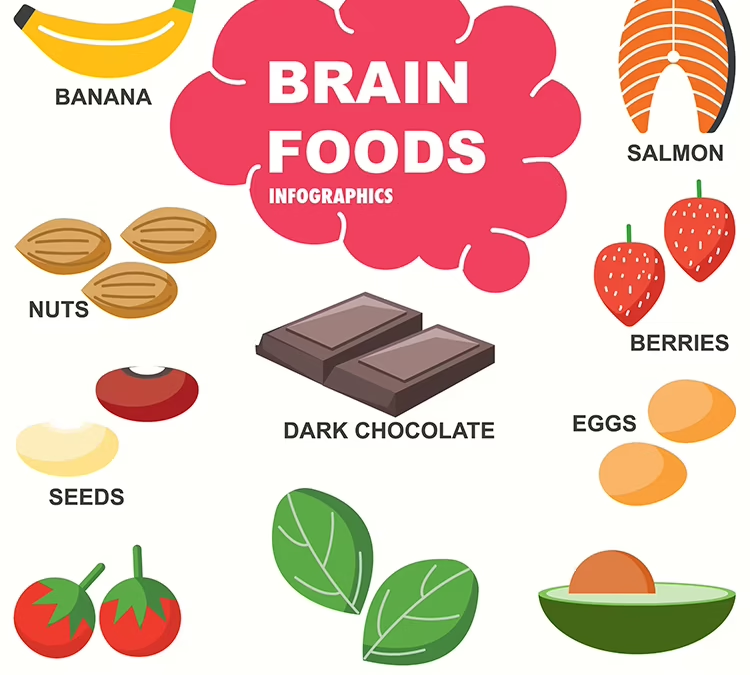
Best Brain Food: Foods to Boost Brain Health & Function
Embark on a delectable journey to discover the best brain foods that can truly unlock your cognitive potential! This article delves into the fascinating world of nutrition and its profound impact on your brain, offering insights on how to nourish your mind for peak performance and long-term vitality. Consider this your personal roadmap to a sharper, more resilient brain through the power of food!
Understanding Brain Health
What is Brain Health?
Brain health encompasses the overall well-being of your brain, influencing everything from memory and concentration to mood and cognitive function. Think of it as the foundation upon which your intellectual and emotional capabilities are built. Good brain health isn't just about avoiding brain diseases; it's about optimizing your brain's performance throughout your life, ensuring it functions at its best, allowing you to tackle challenges and enjoy life to the fullest.
The Importance of Foods for Brain Health
Food is the fuel for your body and brain, and choosing the right foods is essential for maintaining optimal brain health. What you eat directly impacts the structure and function of your brain. Foods for brain health are essential because they provide the nutrients, vitamins, and minerals your brain needs to thrive, promoting sharp thinking, enhanced memory, and a reduced risk of age-related cognitive decline. Indulging in the best brain foods is an investment in your future cognitive well-being.
How Nutrition Affects Brain Function
Nutrition plays a pivotal role in affecting brain function, influencing everything from the production of brain chemicals to the protection of brain cells. A healthy diet, rich in brain-boosting foods, provides the essential building blocks for learning and memory, while also defending against oxidative stress and inflammation, two major culprits in brain aging and neurodegenerative diseases. The link between nutrition and brain function is undeniable, highlighting the importance of making informed food choices to keep your brain healthy and firing on all cylinders.
Best Foods to Boost Brain Function
Dark Chocolate: A Sweet Treat for Your Brain
Who knew indulging in a treat could actually be good for you? Dark chocolate may boost brain function. Dark chocolate may support brain health by helping protect the brain from brain cell damage and improving blood flow. Choosing foods that taste great and support brain health sounds like a win-win for both your taste buds and your brain's healthy future!
Fatty Fish: The Power of Omega-3 Fatty Acids
Plunge into the world of fatty fish, where the mighty omega-3 fatty acids reign supreme! Omega-3 fatty acids are crucial for brain cell structure, improving brain communication, and reducing the risk of cognitive decline. Incorporating fatty fish into your healthy diet could be your secret weapon for better brain health as you age.
Walnuts: The Nut for Better Brain Health
Go nuts for walnuts, because these wrinkly little powerhouses are fantastic food for the brain. Walnuts are brimming with antioxidants, healthy fats, and vitamin E, all working in synergy to support brain health. Studies suggest that regular walnut consumption may boost brain function, improve memory, and even reduce the risk of age-related cognitive decline. So, grab a handful and give your brain-boosting foods a nutty nudge!
Fruits and Vegetables for Cognitive Enhancement
Berries: Nature's Antioxidants
Dive into a vibrant array of berries, nature's gems packed with antioxidants. Berries may support improved memory, learning, and reduce the risk of age-related cognitive decline. Indulge in these colorful brain foods and keep your brain healthy!
Leafy Greens: The Benefits of Vitamins and Minerals
Embrace the power of leafy greens! Spinach, kale, and collard greens are nutritional superstars, loaded with vitamins, minerals, and antioxidants that are important for brain health. Leafy greens may support improved memory and cognitive function. Eating leafy greens could be your delicious shield against brain aging and neurodegeneration.
Whole Grains: Sustaining Energy for Brain Function
Fuel your body and brain with the goodness of whole grains. Whole grains provide a steady release of glucose, the primary energy source for your brain, ensuring sustained memory and concentration. Whole grains also contain essential B vitamins, which are crucial for brain chemical and brain cell function. Choose whole grains over refined grains to support brain health and boost brain function!
Incorporating Brain Foods into Your Diet
Creating Balanced Meals
Crafting a healthy diet around foods for brain health is like composing a symphony for your mind, where each nutrient plays a crucial role. When you plan a balanced meal, remember to include a source of healthy fats, whole grains, berries, fatty fish, and plenty of colorful fruits and vegetables. This ensures that your body and brain get the essential fuel they need to support brain health and boost brain function. You can support brain health by choosing wisely.
Snacking Smart: Brain-Boosting Snack Ideas
Elevate your snacking game with brain-boosting foods that not only satisfy your cravings but also fuel your mind. Instead of reaching for processed foods, consider a handful of walnuts (rich in vitamin E and healthy fats), a piece of dark chocolate (loaded with flavonoid antioxidants), or a cup of berries (packed with antioxidants). These brain foods can improve memory and learning, reduce the risk of cognitive decline, and help protect the brain from brain damage.
Meal Prep Tips for Better Brain Health
Streamline your journey to better brain health with some savvy meal prep strategies. Dedicate a little time each week to prepare your foods to boost brain function. This ensures that you always have access to healthy meals. Meal prepping is a game-changer for supporting brain health.
Other Lifestyle Factors for Improved Memory and Brain Health
The Role of Physical Activity
Regular physical activity increases blood flow to the brain, delivering vital nutrients and oxygen that help protect brain cells. Studies show that physical activity can improve memory, memory, and reduce the risk of cognitive decline and brain diseases. So, whether it's a brisk walk, a dance class, or a bike ride, find an activity you enjoy and make it a part of your routine. You might even boost brain function as you go!
Stress Management Techniques
Chronic stress can impair brain cell function and increase the risk of age-related cognitive decline. Incorporating stress management techniques into your daily life is crucial for supporting brain health. Practices such as meditation, deep breathing exercises, yoga, and spending time in nature can help calm your mind, reduce stress levels, and protect your healthy brain, allowing it to thrive for years to come. It's important for the brain to have as little stress as possible.
Getting Quality Sleep
Aim for 7-9 hours of quality sleep each night to optimize brain health. A lack of sleep can impair memory, increase inflammation, and increase the risk of age-related cognitive decline. Prioritize sleep hygiene by creating a relaxing bedtime routine, ensuring a dark and quiet sleep environment, and avoiding caffeine and alcohol before bed to ensure your brain gets the rest it needs to thrive.
Q: What single food is considered a powerhouse for brain health?
A: That would be fatty fish like salmon! It's packed with omega-3 fatty acids that support the brain-boosting functions and may help reduce the risk of dementia.
Q: How does eating salmon relate to memory loss?
A: Research suggests that the omega-3 fatty acids found in salmon can help improve memory and cognitive function, potentially reducing memory problems as you age.
Q: What role do vitamins E and K play in brain health?
A: These vitamins are linked to brain health, as they help protect the brain from damage caused by free radicals and may contribute to a reduced risk of Alzheimer’s disease.
Q: Can certain foods help prevent heart disease and stroke?
A: Absolutely! Eating foods rich in omega-3 fatty acids, like salmon, not only supports brain health but is also linked to a reduced risk for heart disease.
Q: What is the connection between carbohydrates and brain function?
A: The brain relies on carbohydrates as its primary energy source. However, it's essential to choose the right kind, as whole grains can provide steady energy without the crash that leads to memory problems!
Q: How can eggs contribute to better cognitive function?
A: Eggs are a good source of choline, an essential amino acid that supports neurotransmitter production, which is critical for memory and mood regulation.
Q: Is there a correlation between chocolate and brain health?
A: Yes, indeed! Chocolate with at least 70% cocoa is rich in antioxidants, which may help slow cognitive decline, making it a tasty treat that’s good for the brain!
Q: How does folate contribute to brain function?
A: Folate is crucial for building brain cells and may help improve mood and cognitive function, thus playing a significant role in maintaining brain health.
Q: What foods should I include in my diet to help build brain resilience?
A: Incorporating a variety of certain foods, such as leafy greens, berries, nuts, and fatty fish like salmon, can help build brain resilience and may help slow the risk of dementia.
Q: Can lifestyle choices influence the risk of Alzheimer’s disease?
A: Definitely! Research suggests that a healthy diet combined with regular physical activity can lower the risk for Alzheimer’s disease and support overall brain function.
This article contains general information about medical conditions and treatments. The information is not advice, and should not be treated as such. Click here for further information.