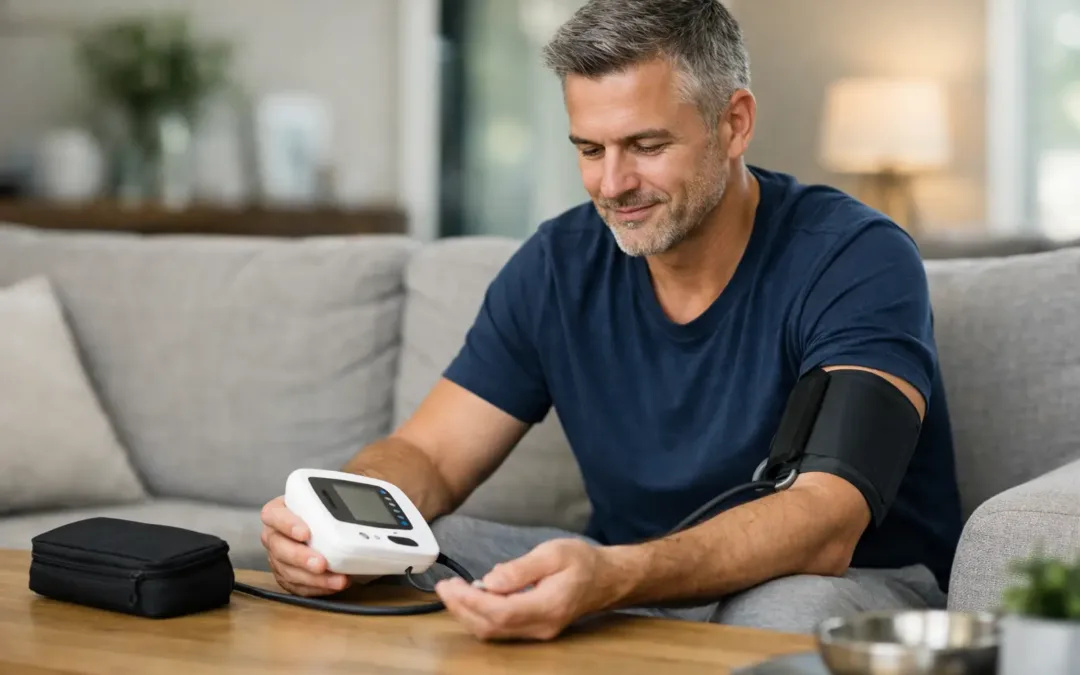
A good home blood pressure monitor can give you useful data long before high blood pressure affects your stamina, workouts, sexual health, or long-term heart health. But a blood pressure monitor review should not be about chasing the screen with the most features. The best monitor is the one that fits your arm correctly, delivers validated readings, and is simple enough that you will actually use it.
For men, that last point matters. High blood pressure is often silent, and many guys do not find out they have a problem until a physical, a medication discussion, or an alarming health event. Checking at home puts a practical health metric in your hands - and gives your clinician a clearer picture than one rushed reading in an exam room.
What This Blood Pressure Monitor Review Looks For
A monitor is only as useful as its accuracy and your technique. When comparing devices, start with an automatic upper-arm monitor from a reputable manufacturer. Upper-arm cuffs are generally preferred over wrist devices because arm position has less opportunity to distort the result.
Look for a device that has been independently validated for accuracy. This means it has been tested against accepted clinical standards, not merely advertised as accurate. FDA clearance and a familiar brand name can be reassuring, but independent validation is the stronger signal. Your doctor's office or pharmacist may also be able to suggest models that suit your needs.
The cuff matters just as much as the monitor itself. A cuff that is too small can produce readings that are falsely high. A cuff that is too large can also be inaccurate. This is especially relevant for men with larger upper arms from lifting, body size, or both. Measure the circumference of your bare upper arm midway between your shoulder and elbow, then match it to the cuff range listed by the manufacturer. Do not assume a standard cuff will fit.
Finally, favor a monitor with a display you can read without squinting, controls you understand, and enough memory to make tracking realistic. A device you avoid because it is annoying to set up is not a health tool. It is a drawer accessory.
Upper-Arm vs. Wrist Monitors
For most men, an upper-arm monitor is the better buy. It places the cuff over the brachial artery and is designed for the measurement position used in clinical settings. With proper cuff sizing and technique, it is the most dependable option for routine home tracking.
Wrist monitors are smaller and convenient for travel, but they demand more precision. Your wrist must be held exactly at heart level, and even a small positioning error can change the number. They can make sense when an upper-arm cuff truly does not fit or cannot be used comfortably, but choose a validated model and ask your clinician to compare it with an office reading first.
Smartwatch blood pressure features deserve extra caution. A watch may be useful for activity, heart rate, sleep trends, or reminders, but it should not replace a validated cuff-based monitor unless your medical team specifically says otherwise. Convenience is not the same as clinical reliability.
Features Worth Paying For - and Ones You Can Skip
You do not need a premium device to manage your blood pressure well. A basic validated upper-arm monitor with the right cuff often beats an expensive model packed with functions you never use. Still, a few features can make consistent tracking easier:
- A large, backlit screen helps if you check readings early in the morning or without glasses.
- Multi-user memory is useful for couples or households, provided each person selects the right profile.
- Bluetooth syncing can reduce the hassle of logging results, especially if your clinician wants several weeks of readings.
- An irregular heartbeat alert may flag a rhythm concern, but it is not a diagnosis and should never be ignored if it appears repeatedly.
- A travel case is useful if you are often away for work, hunting trips, or extended vacations and need to keep your routine intact.
Be skeptical of vague labels such as “advanced,” “professional,” or “medical grade” when they are not backed by validation information. Also skip any device that makes sweeping promises about preventing heart attacks or diagnosing disease. A monitor measures pressure. It does not replace a medical evaluation.
The Reading Is Only as Good as Your Routine
Even the best monitor can give misleading results when you check right after coffee, a hard workout, nicotine, a stressful call, or a big meal. Blood pressure naturally moves throughout the day. That is why single readings, especially when you are worried about the result, rarely tell the whole story.
For a useful baseline, check at roughly the same times each day. Many clinicians recommend morning and evening readings for several days, but follow the plan your own clinician gives you. Before measuring, empty your bladder and sit quietly for five minutes. Avoid exercise, caffeine, smoking, and alcohol for at least 30 minutes beforehand when possible.
Sit in a chair with your back supported, feet flat on the floor, and legs uncrossed. Rest your bare arm on a table so the cuff is level with your heart. Do not talk, scroll, answer messages, or tense your arm while the cuff inflates. Take two readings about one minute apart and record both, unless your clinician has told you to do something different.
That routine may sound fussy, but it is how you turn a home device into trustworthy information. Consistency beats perfection. If you work shifts, choose two dependable points in your own schedule rather than forcing a standard morning routine that never happens.
How to Read Your Numbers Without Panicking
Blood pressure is shown as two numbers. The top number, systolic pressure, reflects pressure when your heart contracts. The bottom number, diastolic pressure, reflects pressure between beats. In general, normal blood pressure is below 120/80 mm Hg, while repeated readings of 130/80 mm Hg or higher deserve a conversation with a health professional. Your personal target may differ if you have diabetes, kidney disease, cardiovascular disease, or take certain medications.
Do not diagnose yourself from one elevated measurement. Pain, poor sleep, anxiety, decongestants, anti-inflammatory medications, testosterone treatment, alcohol, and even a tough training session can affect blood pressure. The pattern over time is what matters.
On the other hand, do not explain away consistently high readings because you feel fine. High blood pressure can gradually damage blood vessels and raise the risk of heart disease, stroke, kidney disease, and erectile dysfunction. Treating it is not a hit to your independence. It is a move that protects your performance and the years you get to enjoy it.
If you get a reading above 180/120 mm Hg, wait five minutes and check again. If it remains that high, contact a medical professional promptly. Call 911 if it comes with chest pain, shortness of breath, weakness, numbness, confusion, vision changes, or trouble speaking.
Common Buying Mistakes Men Make
The first mistake is buying based on price alone. A bargain monitor with a poor fit or questionable validation is false economy. The second is buying an undersized standard cuff despite having a larger arm. If you lift regularly or carry extra weight, check sizing before you order.
Another common mistake is treating the monitor like a one-time test. Blood pressure tracking works when it becomes part of your routine, similar to stepping on a scale or logging workouts. Keep the monitor somewhere visible but private, such as a bathroom cabinet or bedside drawer. Use a paper log, a phone note, or the device's app, and bring the record to appointments.
It is also smart to bring your home monitor to a clinic visit once in a while. Your care team can compare its reading with their equipment, check your cuff placement, and make sure your data is reliable enough to guide decisions.
The Best Choice Is the One You Will Use
For most men, the best choice is a validated automatic upper-arm monitor with a properly sized cuff, a clear display, and simple memory storage. Add Bluetooth only if it helps you share or review readings. Choose a wrist model only when portability or arm size makes it necessary, and confirm its accuracy with your clinician.
Your blood pressure is not a scorecard on whether you are doing health “right.” It is feedback. Use it to spot patterns, make better decisions about sleep, food, fitness, stress, alcohol, and medication, and get help early when the numbers say you should. Taking five quiet minutes to check your pressure can be one of the most practical ways to protect the strength and freedom you want to keep.
This article contains general information about medical conditions and treatments. The information is not advice, and should not be treated as such. Click here for further information.