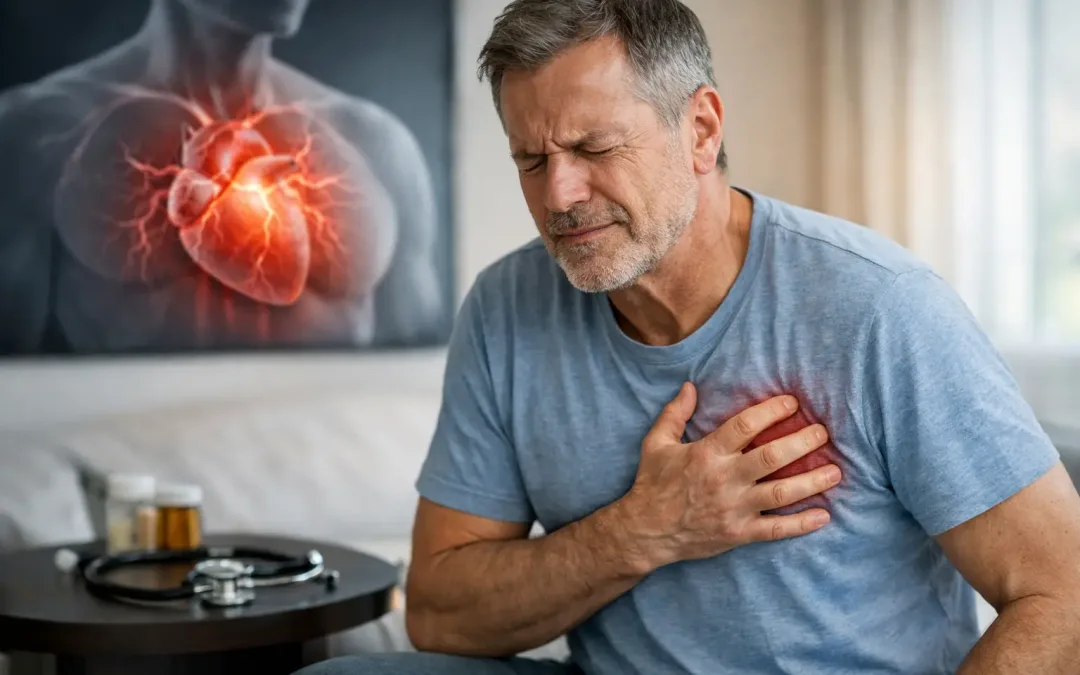
A lot of men will push through feeling off for weeks or months before they admit something is wrong. That mindset can backfire badly with the warning signs of heart disease in men, because the body often sends signals early - just not always in the dramatic, movie-scene way people expect.
Heart disease is still one of the biggest threats to men’s long-term health, performance, and lifespan. The challenge is that symptoms can be easy to brush off as stress, aging, poor sleep, indigestion, or being out of shape. If you know what to look for, you have a much better shot at catching a problem before it turns into a medical emergency.
Why men often miss early heart symptoms
Many men associate heart disease with sudden crushing chest pain and collapse. That can happen, but it is not the only pattern. Some symptoms build gradually. Others come and go. A man may notice lower exercise tolerance, unusual fatigue, or shortness of breath and assume he just needs more sleep or better conditioning.
There is also a mindset issue. Men are often taught to tolerate discomfort, stay productive, and avoid overreacting. That can delay medical care. With heart disease, delay matters. The sooner blocked arteries, rhythm problems, or reduced heart function are identified, the more options you usually have to prevent serious damage.
Warning signs of heart disease in men that should never be ignored
Some symptoms are more classic than others, but none should be shrugged off if they are new, worsening, or happening together.
Chest pressure, tightness, or pain
This is the symptom most people know, and for good reason. Discomfort in the center or left side of the chest can feel like pressure, squeezing, fullness, burning, or heaviness. It may happen during exercise, walking uphill, sex, emotional stress, or even after a large meal.
Not every chest symptom means a heart problem. Acid reflux, muscle strain, and anxiety can all cause chest discomfort. But if the feeling is recurrent, triggered by exertion, or paired with sweating, nausea, or shortness of breath, it needs prompt medical attention.
Shortness of breath
If climbing stairs, carrying groceries, or doing a workout suddenly feels harder than it used to, pay attention. Shortness of breath can show up before chest pain or instead of it. Some men notice they get winded faster, cannot keep their usual pace, or feel like they cannot take a full breath.
This symptom can also point to lung issues, poor conditioning, or excess weight, so context matters. But when breathing changes are new or clearly out of proportion to your activity level, your heart should be part of the conversation.
Pain that spreads beyond the chest
Heart-related pain does not always stay in one spot. It can travel into the left arm, both arms, shoulders, back, neck, or jaw. Some men feel more discomfort in those areas than in the chest itself.
That is one reason heart problems get misread. A man may think he slept wrong, pulled a shoulder at the gym, or has a neck issue. If this kind of pain appears with exertion or comes with chest pressure, sweating, dizziness, or nausea, take it seriously.
Unusual fatigue
Fatigue is easy to dismiss because modern life makes everyone tired. But heart-related fatigue often feels different. It may show up as a sharp drop in stamina, exhaustion after routine tasks, or a sense that your energy has fallen off without a clear reason.
For men who take pride in staying active, this can be one of the earliest signs that something is off. If your workouts are suddenly harder, your recovery is worse, or everyday tasks leave you drained, it is worth checking whether the issue is sleep, stress, low testosterone, anemia, or your cardiovascular system.
Dizziness, lightheadedness, or fainting
A brief head rush when you stand up too fast is one thing. Repeated dizziness, near-fainting, or passing out is different. These symptoms can point to rhythm problems, low blood flow, or other heart-related issues that need evaluation.
If dizziness happens with chest discomfort, palpitations, or shortness of breath, do not wait it out. That combination can signal a more urgent problem.
Heart palpitations or an irregular heartbeat
A racing, pounding, fluttering, or skipped-beat sensation can sometimes be harmless, especially after caffeine, alcohol, stress, or poor sleep. But frequent palpitations, prolonged episodes, or symptoms that come with weakness, chest pressure, or feeling faint should not be ignored.
Some rhythm disorders are manageable once diagnosed. The risk comes when men normalize them for too long and miss the chance to address the root issue.
Swelling in the legs, ankles, or feet
When the heart is not pumping efficiently, fluid can build up in the lower body. Swollen ankles, tight socks leaving deeper marks, or shoes feeling tighter than usual can be clues.
This is not the most talked-about symptom, but it matters. Swelling can also be tied to kidney issues, vein problems, medications, or sitting too long, so it is not specific to heart disease. Still, persistent swelling deserves a medical review.
Nausea, cold sweats, or a sense that something is very wrong
Some men having a cardiac event feel sick to their stomach, break out in a cold sweat, or describe a strong sense of unease. These symptoms may seem vague on their own, but they become more concerning when paired with chest discomfort, breathing trouble, or pain spreading to the arm or jaw.
Trust your instincts here. If something feels unusually wrong, especially during exertion, do not try to tough it out.
The less obvious warning signs of heart disease in men
Not every man gets textbook symptoms. Some signs are subtle and develop slowly enough that they become the new normal.
One common example is declining exercise tolerance. If you used to handle a brisk walk, yard work, or lifting session without a problem and now need more breaks, that shift matters. Another is poor sleep caused by breathlessness when lying flat or waking up gasping. That can sometimes reflect heart failure or fluid buildup, not just snoring or stress.
Erectile dysfunction can also be an early vascular warning sign. The same blood vessel problems that reduce blood flow to the penis can affect the heart. ED does not automatically mean heart disease, but in many men it is a reason to look more closely at blood pressure, cholesterol, blood sugar, weight, and smoking status.
When symptoms mean call 911
If you have chest pressure, pain, or tightness that lasts more than a few minutes, or it comes with shortness of breath, sweating, nausea, dizziness, or pain in the arm, back, neck, or jaw, call 911 right away. The same applies if someone faints, becomes severely short of breath, or has signs of a heart attack that are intense or worsening.
Driving yourself can be risky if symptoms suddenly escalate. Emergency responders can begin care on the way to the hospital.
What raises a man’s risk
Symptoms matter, but so does the bigger picture. Men are more likely to face heart disease earlier in life than many women, and risk climbs further with age. High blood pressure, high LDL cholesterol, diabetes, smoking, excess abdominal fat, sleep apnea, chronic stress, inactivity, and a family history of early heart disease all raise the stakes.
This is where being proactive pays off. A man may feel mostly fine and still have meaningful risk factors building in the background. That is why routine blood pressure checks, lab work, and preventive visits matter, even if you are still functioning at a high level.
What to do if you notice these signs
Start with honesty. If your body is sending repeat signals, do not explain them away automatically. Make an appointment with a doctor if symptoms are mild but persistent, and seek urgent care right away for anything severe, sudden, or classic for a heart attack.
Be ready to describe what you feel, when it happens, how long it lasts, and what seems to trigger it. That detail helps doctors sort out whether the problem is more likely related to blocked arteries, heart rhythm issues, lung disease, reflux, anxiety, or something else.
Then focus on the fixes you can control. Better sleep, a stronger nutrition plan, regular movement, smoking cessation, and managing blood pressure or blood sugar can all improve long-term heart health. On a site like Male Health Zone, the bigger goal is not just avoiding disease. It is protecting your stamina, energy, sexual health, and ability to keep performing well as you get older.
The smart move is simple: if your body is showing warning signs, treat that as useful information, not weakness. Catching a heart problem early can protect a lot more than your heart - it can protect the life you still want to live.
This article contains general information about medical conditions and treatments. The information is not advice, and should not be treated as such. Click here for further information.