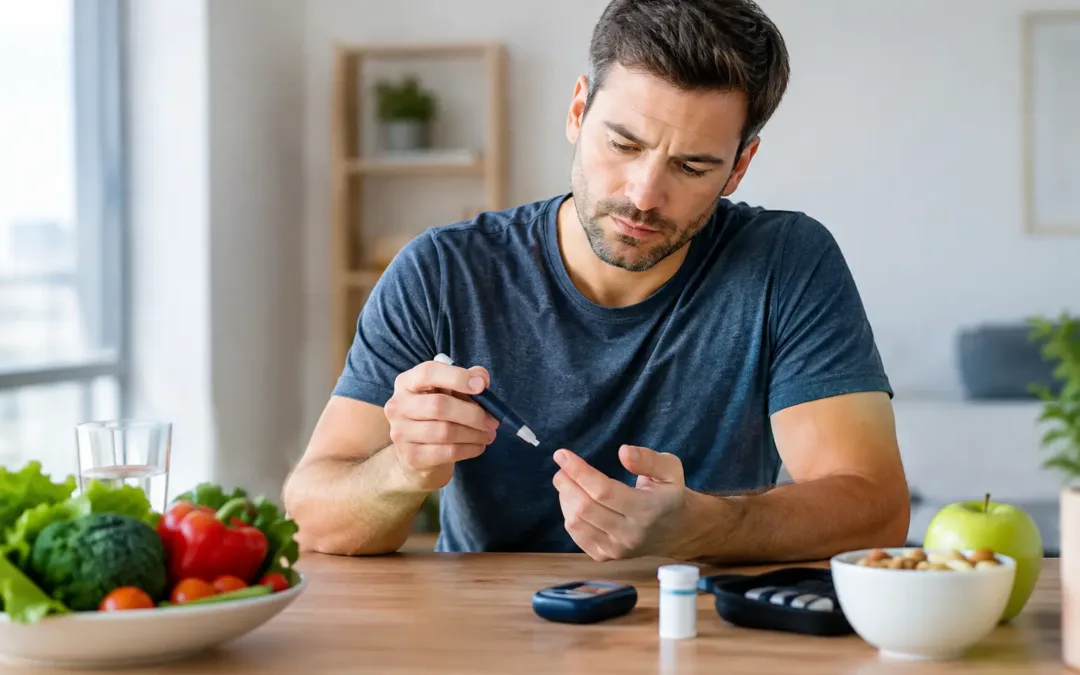
A man can be lifting regularly, working long hours, and still feel like his energy disappears after lunch. His waistline creeps up despite decent effort. Cravings hit hard at night. These can be everyday frustrations, but they can also be early clues of insulin resistance - a metabolic issue that often develops quietly long before a diabetes diagnosis.
For men, this matters beyond blood sugar. Insulin resistance is closely tied to abdominal fat, high blood pressure, unhealthy cholesterol levels, reduced cardiovascular fitness, and potentially lower testosterone. The good news is that it often responds strongly to consistent changes in training, food habits, sleep, and weight management.
What insulin resistance actually means
Insulin is a hormone made by your pancreas. Its main job is to help move glucose, or blood sugar, from your bloodstream into your muscle, fat, and liver cells, where it can be used or stored for energy.
With insulin resistance, those cells do not respond as well to insulin's signal. Your pancreas compensates by producing more insulin to keep blood sugar in a normal range. That compensation can work for years, which is why a standard glucose reading may look fine while the underlying problem is building.
Over time, the pancreas may not be able to keep up. Blood sugar rises into prediabetes or type 2 diabetes. That is not the only concern. Higher insulin levels and the conditions that travel with them can raise cardiovascular risk well before diabetes appears.
Why men should pay attention
Men often store excess body fat around the abdomen and within organs such as the liver. This visceral fat is more metabolically active than the fat just under the skin, and it is strongly associated with insulin resistance. A growing waistline is not simply a cosmetic concern. It can be useful feedback about metabolic health.
Insulin resistance can also affect the outcomes men care about day to day: steady energy, gym performance, body composition, sexual health, and long-term independence. Erectile dysfunction, for example, can sometimes be an early sign of blood vessel problems. It does not automatically mean insulin resistance, but it is a reason to take blood pressure, cholesterol, and blood sugar seriously.
Testosterone adds another layer. Low testosterone and insulin resistance often occur together, particularly in men with obesity. Neither condition has one simple cause, and testosterone treatment is not a substitute for addressing diet, activity, sleep, or excess weight. Still, men experiencing low libido, reduced morning erections, unusual fatigue, and loss of muscle should discuss the full picture with a clinician rather than chasing a single quick fix.
Signs of insulin resistance that can be easy to miss
Insulin resistance usually has no obvious symptoms. That is why regular checkups matter, especially after age 35 or earlier if you have a family history of diabetes. Still, several patterns deserve attention.
You may notice persistent fatigue, especially after high-carbohydrate meals, frequent hunger, strong cravings for sweets, or trouble losing abdominal fat. Some men develop dark, velvety patches of skin on the neck, armpits, or groin, called acanthosis nigricans. Skin tags can also be more common, though neither finding confirms a diagnosis on its own.
Other warning signs often show up on a lab report or at a routine appointment: elevated triglycerides, low HDL cholesterol, high blood pressure, fatty liver disease, or prediabetes. Snoring and daytime sleepiness also matter because untreated sleep apnea is common in men with excess weight and can worsen metabolic health.
None of these signs proves you have insulin resistance. Fatigue can come from poor sleep, anemia, depression, thyroid problems, medication effects, or many other causes. The point is to stop guessing and get useful measurements.
How doctors assess insulin resistance
There is no single perfect office test for insulin resistance. Clinicians usually look at your risk factors and a combination of lab values. A fasting glucose test and A1C, which estimates average blood sugar over roughly three months, are common starting points. An oral glucose tolerance test may reveal problems that fasting glucose misses.
Your clinician may also check fasting insulin, cholesterol and triglycerides, liver enzymes, blood pressure, waist circumference, and weight trends. Fasting insulin can add context, but results vary between laboratories and it is not used alone to diagnose a condition.
Ask for clear numbers and what they mean for you. If you have a close relative with type 2 diabetes, carry extra weight around your middle, have high blood pressure, use certain medications, or have had abnormal labs before, do not wait for dramatic symptoms to schedule a visit.
The most effective ways to improve insulin resistance
The goal is not to eat perfectly or punish yourself with endless cardio. It is to improve how your body handles fuel, one repeatable decision at a time. For many men, losing 5% to 10% of body weight can meaningfully improve blood sugar control and related risk factors. If weight loss is not your primary goal, building fitness and reducing waist size can still make a real difference.
Build meals around protein and fiber
Start by making meals more filling and less likely to cause a rapid blood sugar spike. Protein-rich foods such as eggs, Greek yogurt, fish, chicken, lean meat, tofu, beans, and cottage cheese can help preserve muscle while managing appetite. Add high-fiber foods including vegetables, fruit, lentils, beans, oats, and whole grains.
You do not need to swear off carbohydrates. Training volume, body size, medications, and personal preference all affect the right amount. The bigger win is replacing heavily refined, low-fiber carbohydrates and sugary drinks with higher-quality choices most of the time. A bowl of oatmeal with berries and yogurt is different from a pastry and sweetened coffee. Rice or potatoes alongside lean protein and vegetables can fit far better than a large fast-food meal with soda.
Liquid calories deserve special attention. Regular soda, sweet tea, energy drinks, fancy coffees, and frequent alcohol can make it much harder to improve insulin sensitivity without making you feel full.
Train your muscles to use glucose
Muscle is one of your best tools against insulin resistance because active muscle pulls glucose from the blood for fuel. Resistance training is especially valuable for men because it supports strength, muscle mass, function, and body composition.
Aim for at least two full-body strength sessions each week, progressing gradually with movements you can perform safely. Add regular aerobic activity, whether that is brisk walking, cycling, swimming, jogging, or pickup basketball. A practical target is 150 minutes of moderate activity weekly, but starting with 10-minute walks after meals is far better than waiting for the perfect program.
If your schedule is tight, focus on frequency. Break up long stretches of sitting. A few minutes of movement every hour and a walk after dinner can help your body manage glucose more effectively.
Treat sleep and stress as metabolic issues
Short sleep can increase hunger, reduce training recovery, and make high-calorie food harder to resist. Most adults do best with seven to nine hours a night. Set a consistent wake time, reduce late-night alcohol, and keep screens from turning bedtime into another work shift.
If you snore loudly, wake up gasping, have morning headaches, or feel exhausted despite enough time in bed, ask about sleep apnea testing. Treating sleep apnea can improve energy, blood pressure, and your ability to follow through on other health changes.
Stress will not cause insulin resistance by itself, but chronic stress can push eating, drinking, and sleep in the wrong direction. Choose a stress outlet you will actually use: lifting, walking, time outdoors, breathing exercises, counseling, or a regular call with someone you trust.
When lifestyle changes are not enough
Lifestyle is the foundation, but it is not a moral test. Genetics, age, sleep disorders, medications, and existing medical conditions all influence insulin resistance. Some men need medication to manage prediabetes, type 2 diabetes, obesity, cholesterol, or blood pressure. Your clinician may discuss options such as metformin or weight-management medications based on your health profile.
Do not start supplements marketed as blood sugar cures without medical guidance. Some can interact with medications, and none replaces a plan built around food quality, activity, sleep, and appropriate medical monitoring.
Your next move can be simple: measure your waist, book overdue blood work, and take a 15-minute walk after your next meal. Small actions are not too small when you repeat them. That is how men build better energy, stronger performance, and a healthier future.
This article contains general information about medical conditions and treatments. The information is not advice, and should not be treated as such. Click here for further information.