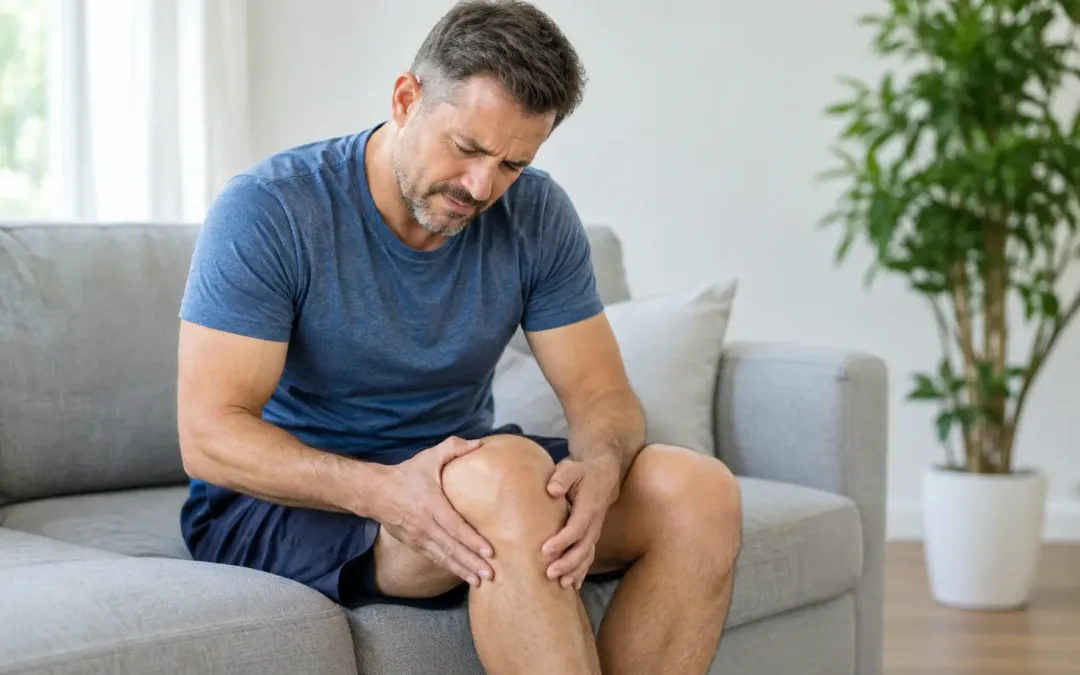
The shoulder that catches during a bench press, the knee that aches after a long drive, or the stiff fingers that make a morning coffee mug harder to grip can all get written off as getting older. But joint pain is not something men should automatically push through. It can be a short-term response to training, an early sign of wear and tear, or a clue that a medical condition needs attention.
For men who value strength, independence, and staying active, the goal is not to panic over every sore joint. It is to know the difference between normal post-workout discomfort and pain that is changing how your body moves.
Why Joint Pain Shows Up in Men
A joint is where two bones meet, supported by cartilage, tendons, ligaments, muscles, and fluid that helps everything move smoothly. Pain can come from any of those structures, which is why a sore knee after running is different from a hot, swollen big toe that appears overnight.
In younger men, joint discomfort often follows a clear trigger: lifting too much too soon, poor exercise form, a hard weekend of sports, a fall, or repetitive work. Construction work, long hours driving, kneeling, climbing stairs, and manual labor can all place steady stress on the knees, hips, shoulders, and lower back.
As men move through their 40s, 50s, and beyond, old injuries can resurface. Cartilage also changes over time, and carrying extra body weight increases the load on weight-bearing joints. A man does not need to be severely overweight for this to matter. Even modest weight gain can make knee and hip pain more noticeable during squats, hiking, or simply getting up from a chair.
Hormones and overall health can play a role as well. Low testosterone does not directly explain every aching joint, but lower levels may contribute to reduced muscle mass, slower recovery, and less consistent physical activity. Diabetes, kidney disease, thyroid problems, and inflammatory conditions can also affect the joints or the tissues around them.
Common Causes of Joint Pain in Men
Overuse, strain, and tendon problems
Pain that starts after a new workout plan, a long run, a golf weekend, or a physically demanding project is often related to overuse. Tendons can become irritated when workload rises faster than the body can adapt. Shoulder pain from pressing movements, elbow pain from gripping, and knee pain from sudden mileage increases are common examples.
This type of pain often improves when you temporarily reduce the aggravating activity, improve technique, and build back gradually. Total inactivity is not always the answer. Gentle movement can maintain circulation and prevent stiffness, as long as it does not sharply worsen symptoms.
Osteoarthritis and past injuries
Osteoarthritis happens when the protective cartilage in a joint gradually breaks down. It is especially common in the knees, hips, hands, spine, and shoulders. Prior ligament tears, fractures, meniscus injuries, or repeated joint trauma can raise the risk.
The pattern is often pain with use, stiffness after sitting, reduced range of motion, and a grinding or clicking sensation. Clicking alone is not necessarily a problem. Clicking that comes with swelling, locking, weakness, or pain deserves a closer look.
Gout
Gout is a major consideration for men, particularly when severe pain appears suddenly in one joint. The big toe is classic, but gout can also affect the ankle, knee, wrist, or elbow. The area may become red, warm, swollen, and extremely tender.
Gout is caused by uric acid crystals building up in a joint. Alcohol, dehydration, certain medications, kidney issues, and diets high in purine-rich foods can contribute, though the condition is more complicated than blaming one steak dinner. Repeated attacks should be evaluated because long-term uric acid control can protect joints and kidneys.
Inflammatory arthritis and autoimmune disease
Not all arthritis is wear and tear. Rheumatoid arthritis, psoriatic arthritis, and related inflammatory conditions can cause persistent swelling, warmth, fatigue, and prolonged morning stiffness. Pain on both sides of the body, such as both hands or both wrists, may be a clue.
Men are sometimes slower to seek care for these symptoms because they assume stiffness is part of training or aging. Early treatment matters. Ongoing inflammation can damage joints and affect other parts of the body.
Infection or another urgent problem
A painful joint can rarely be infected, especially after surgery, an injection, a skin wound, or an illness that affects the immune system. A joint that becomes suddenly hot, swollen, and difficult to move needs prompt medical evaluation, particularly if fever or chills are present.
Joint Pain Red Flags You Should Not Ignore
Most aches are not emergencies, but some symptoms require same-day or urgent care. Do not try to tough out these warning signs:
- A joint that is red, hot, rapidly swollen, or paired with fever or chills
- Inability to bear weight, use the limb, or move the joint after an injury
- A visible deformity, a joint that looks out of place, or numbness below the injury
- Severe pain that begins suddenly without a clear explanation
- Swelling and pain that persist, worsen, or repeatedly return despite rest
Also make an appointment if joint pain lasts more than a couple of weeks, disrupts sleep, limits work or exercise, or forces you to change the way you walk. Compensating for one painful joint can create new problems in the back, hips, or opposite leg.
What to Do When a Joint Starts Hurting
The first move is to identify the pattern. Think about when it started, what activity came before it, whether there was an injury, and whether there is swelling or stiffness. A simple note on your phone can help you spot triggers and give your clinician useful details.
For a mild flare after activity, reduce the load without shutting down completely. Swap hill sprints for flat walking, heavy barbell pressing for lighter controlled movements, or high-impact cardio for cycling or swimming. This is not quitting. It is training around the problem while giving irritated tissue time to settle.
Cold packs can help in the first day or two after an acute injury or when swelling is present. Heat may feel better for ongoing stiffness before activity. Over-the-counter pain relievers may be appropriate for some men, but they are not risk-free. Anti-inflammatory drugs can affect the stomach, kidneys, blood pressure, and heart health, and they may interact with prescription medications. Ask a clinician or pharmacist if you have cardiovascular disease, kidney disease, ulcers, take blood thinners, or use several medications.
Avoid using pain medicine simply to force a workout through sharp pain. Masking symptoms can turn a manageable irritation into a longer setback.
Build Stronger Joints With Smarter Habits
Strong muscles reduce stress on joints. That makes resistance training one of the best long-term tools for joint health when it is done with controlled form and sensible progression. The key is not chasing maximum weight every session. Build capacity with full-range movement, adequate recovery, and technique that matches your mobility.
Mobility work has value, but it should be targeted. Tight hips may affect knee mechanics, and limited upper-back mobility can overload the shoulder. A physical therapist or qualified trainer can help identify weak links instead of handing you a generic stretching routine.
Body weight matters most for knees, hips, ankles, and feet. If excess weight is part of the picture, even gradual fat loss can reduce daily joint stress while improving blood sugar, blood pressure, energy, and sleep. Focus on a sustainable calorie deficit, protein-rich meals, fiber, and regular movement rather than crash dieting.
Recovery counts too. Poor sleep increases pain sensitivity and can make small aches feel bigger. Hydration supports exercise performance, although drinking more water alone will not cure joint disease. If you sweat heavily, drink alcohol often, or have had gout symptoms, paying closer attention to hydration is especially worthwhile.
Getting the Right Evaluation for Joint Pain
A clinician will usually start with your symptom history, activity level, injuries, medications, family history, and an exam of the affected joint. Depending on the situation, testing may include X-rays, blood work, ultrasound, or an MRI. Not every sore knee needs advanced imaging right away. In many cases, a good exam and a focused rehab plan are more useful than an immediate scan.
Treatment depends on the cause. It may involve physical therapy, changes to training, medication, injections, gout management, or specialist care. Surgery is sometimes needed for major structural injuries or severe arthritis, but it is rarely the first step for everyday pain.
Your body does not need to feel perfect to stay active, but it does need you to pay attention. Addressing joint pain early can help you keep training, working, traveling, and enjoying the life you are building instead of allowing one ignored ache to set the limits.
This article contains general information about medical conditions and treatments. The information is not advice, and should not be treated as such. Click here for further information.