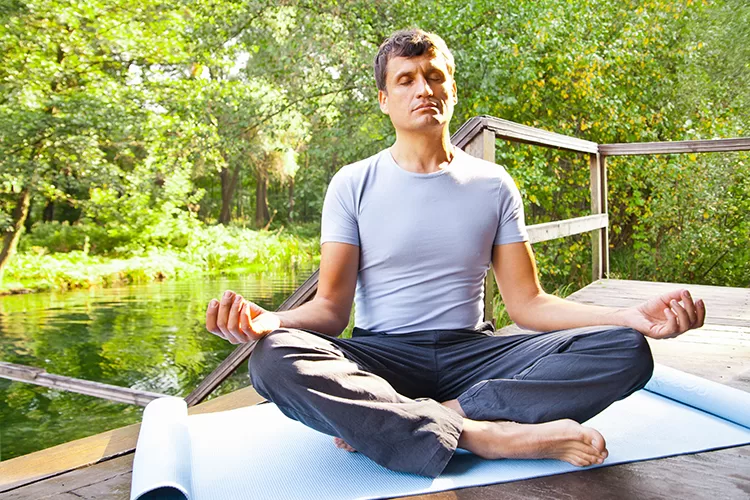
Yoga Poses for Men: Wellness and the Benefits of Yoga
Yoga offers a path to enhanced wellness and numerous physical and mental benefits, particularly for men who may not readily consider yoga as a form of exercise. The benefits of yoga for men extend beyond mere flexibility, encompassing improved strength, reduced stress levels, and a greater sense of overall well-being. By understanding the various yoga poses and integrating regular yoga practice into their lives, men can unlock a wealth of advantages for both mind and body. This article explores the diverse benefits of yoga, highlighting how yoga can be beneficial for men seeking to enhance their physical and mental health.
Understanding the Benefits of Yoga
The benefits of yoga are multifaceted, impacting both physical health and mental well-being. Yoga improves physical health through physical postures, known as asanas, which build strength and improve flexibility. Yoga can also improve balance and posture, contributing to a greater sense of physical ease and functionality. Beyond the physical, the practice of yoga integrates poses and breathing techniques that calm the mind and body, reducing stress and anxiety. The mental benefits of yoga include improved focus, enhanced mood, and a greater sense of calm. Regular yoga practice can be a powerful tool for stress relief and for promoting overall health.
Physical Benefits of Yoga for Men
For men, the benefits of yoga are particularly impactful in addressing common physical challenges. Yoga strengthens muscles, particularly in the core, back, and legs, supporting better posture and reducing lower back pain. Certain yoga asanas, like bridge pose, specifically target the glutes and hamstrings, improving strength and stability. Yoga improves flexibility, which is crucial for preventing injuries and enhancing performance in other physical activities. The practice of yoga can also release tension in the body, particularly in areas prone to stiffness, such as the shoulders and hips. Regular yoga sessions can lead to improved physical health and a greater sense of body awareness. Yoga strengthens and tones the body, leading to long-term physical benefits beneficial for men of all ages.
Mental and Emotional Benefits
 Beyond the physical, the mental and emotional benefits of yoga are significant, particularly in today's fast-paced world. Yoga promotes stress relief through pranayama, controlled breathing exercises that calm the mind and body. The mental benefits of yoga include a reduction in stress and anxiety, promoting a greater sense of inner peace. Regular yoga practice helps to calm the mind and body and cultivate mindfulness, enhancing your ability to be present in the moment. Yoga can help manage symptoms of mental health disorders, such as depression and anxiety, by promoting relaxation and emotional regulation. The practice of yoga fosters a deeper connection between body and mind, enhancing overall well-being and improving mental health.
Long-term Health Benefits
The long-term health benefits of yoga extend beyond immediate improvements in physical and mental well-being. Regular yoga practice can lead to improved cardiovascular health, reduced blood pressure, and enhanced immune function. The practice of yoga can also help maintain a healthy weight and improve sleep quality, both crucial for long-term health. Yoga promotes a greater sense of body awareness, leading to healthier lifestyle choices. Yoga classes can also help in cultivating a positive mindset and promoting emotional resilience, essential for navigating life's challenges. Restorative yoga poses can further support long-term health by promoting deep relaxation and reducing chronic stress. Overall, integrating yoga into your lifestyle offers numerous physical and mental benefits for sustained health and well-being.
Key Yoga Poses for Men
Bridge Pose: Strengthening the Core and Back
 Bridge pose is a superb yoga pose for men seeking to strengthen their core and lower back, often areas prone to weakness. This yoga asana not only strengthens the glutes and hamstrings but also improves posture, counteracting the effects of prolonged sitting, making it beneficial for men. The benefits of yoga for men extend beyond the physical, as bridge pose encourages a sense of grounding and stability, promoting overall well-being. Regular yoga practice, including bridge pose, can significantly improve physical health, release tension, and enhance body awareness. Engaging in bridge pose during yoga sessions can help alleviate lower back pain and improve spinal flexibility; therefore, it is highly suggested by your yoga instructor.
Downward Facing Dog: Enhancing Flexibility and Balance
Downward-facing dog is a foundational yoga pose in many yoga styles, offering a wide array of physical and mental benefits. This yoga asana stretches the entire body, improving flexibility in the hamstrings, calves, and shoulders, all important for men who might experience stiffness in these areas. The practice of yoga, including downward-facing dog, builds strength in the arms and legs, contributing to overall stability and balance. Downward-facing dog can calm the mind and body, reduce stress and anxiety, and promote a sense of inner peace, which are all mental benefits of yoga. Regular yoga practice can improve posture, release tension, and enhance body awareness, promoting overall health and wellness. Learning how to practice yoga with a yoga teacher training or yoga class can greatly improve your poses.
Other Essential Yoga Poses
Beyond bridge pose and downward-facing dog, several other yoga poses are particularly beneficial for men. Warrior poses build strength and improve balance, while plank pose strengthens the core and upper body. Cobra pose enhances spinal flexibility and opens the chest, counteracting the effects of slouching. Triangle pose improves flexibility and strengthens the legs and core. Regular yoga practice incorporating these poses can lead to significant physical and mental benefits. These yoga asanas target specific muscle groups and promote overall health and well-being. The mental benefits of yoga asanas also include reduced stress levels and improved mental clarity. Learning different yoga poses will give you a beneficial yoga practice.
How Yoga Can Help with Specific Issues
Stress Relief Techniques through Yoga
 Yoga offers stress relief through various yoga poses and breathing techniques, making it a powerful tool for managing daily pressures. Pranayama, or controlled breathing exercises, is a core aspect of yoga practice, helping to calm the mind and body and reduce stress and anxiety. Deep breathing techniques, taught in yoga classes, stimulate the parasympathetic nervous system, promoting relaxation and lowering stress levels. Regular yoga practice helps to cultivate mindfulness, enhancing the ability to stay present and grounded amidst stressful situations. By consistently engaging in yoga sessions, individuals can train their body and mind to better respond to stress, resulting in improved overall well-being.
Improve Sleep Quality with Yoga
Yoga can also significantly improve sleep quality by addressing both the physical and mental factors that contribute to insomnia. Specific yoga poses, such as forward folds and gentle twists, release tension in the body and mind, promoting relaxation and preparing the body for sleep. Restorative yoga poses, like supported child’s pose or corpse pose, further support relaxation and reduce stress and anxiety. Yoga practice also helps to regulate the nervous system, promoting a sense of calm, which is essential for falling asleep easily and staying asleep throughout the night. Regular yoga practice may also help with lower back issues and sore hamstrings; therefore, yoga helps alleviate pain and discomfort that may interfere with restful sleep.
Yoga to Boost Immunity and Overall Wellness
Yoga promotes a holistic approach to overall wellness, which includes strengthening the immune system through various mechanisms. Certain yoga poses stimulate the lymphatic system, which plays a crucial role in immune function by removing toxins and waste from the body. Pranayama techniques enhance oxygenation of the blood and tissues, supporting cellular health and immune response. Regular yoga practice reduces stress and anxiety, which can weaken the immune system, and enhances body wellness. Furthermore, the increased body awareness cultivated through yoga improves healthy lifestyle choices, such as nutrition and sleep, all of which contribute to a robust immune system. By integrating yoga into your routine, you not only experience immediate physical and mental benefits but also invest in your long-term health and well-being.
Getting Started with Your Yoga Practice
Creating a Comfortable Practice Space
When starting a yoga practice, it’s essential to create a yoga space that promotes relaxation and focus. Choose a quiet area in your home where you can practice yoga without distractions. Ensure the space is clean, well-ventilated, and free from clutter. Consider adding elements that enhance your wellness, such as plants, soft lighting, or calming artwork. Having a dedicated yoga space can make it easier to establish a regular yoga practice and deepen your connection to the mind and body. Whether it's a corner of a room or an entire yoga studio, make sure it's a place where you feel comfortable and inspired. The benefits of yoga are amplified when you have a sanctuary that supports your journey to physical and mental benefits.
Tips for Beginners: Yoga for Men
For men new to yoga, it’s important to approach the practice of yoga with patience and self-compassion. Begin with beginner-friendly yoga classes or online tutorials to learn the basic yoga poses and proper alignment. Don’t compare yourself to others; focus on your own body and listen to what it needs. Start slowly and gradually increase the intensity and duration of your yoga sessions as you build strength and improve flexibility. Remember that the benefits of yoga for men extend beyond physical fitness, encompassing improved overall health and mental benefits as well. Embrace the journey, and practice yoga regularly, to unlock the numerous physical and mental benefits that yoga offers. If you require assistance, look to your yoga instructor or attend yoga teacher training courses. Yoga helps with stress relief.
Establishing a Regular Yoga Routine
Establishing a regular yoga practice is crucial for experiencing the full benefits of yoga. Set realistic goals and create a schedule that fits your lifestyle. Aim for at least 2-3 yoga sessions per week, even if they’re just short 15-30 minute sessions. Consistency is key to improve physical health, so prioritize your yoga practice and make it a non-negotiable part of your routine. Find a yoga instructor or yoga studio that resonates with you, and consider practicing with friends or family for added support. Be flexible and adjust your routine as needed, but strive to maintain a regular practice to reap the physical and mental benefits of yoga. Be sure to calm the mind and body during your yoga class. Yoga can also help reduce stress levels.
Conclusion: Embracing the Benefits of Yoga
Revisiting the Benefits of Yoga for Men
The benefits of yoga for men are vast and encompass both physical and mental benefits. From improved flexibility and build strength to reduced stress and anxiety and enhanced overall well-being, yoga offers a holistic approach to wellness. Regular yoga practice can alleviate lower back pain, release tension, improve posture, and promote a greater sense of body awareness. The mental benefits of yoga include calming the mind and body, improved focus, and emotional regulation, all of which contribute to a higher quality of life. By incorporating yoga into your routine, men can unlock a wealth of advantages for their health and well-being, experiencing firsthand how yoga strengthens and nurtures both the body and mind. Be sure to follow the instruction of your yoga instructor to correctly assume the yoga poses. Yoga helps improve physical health.
Encouragement to Practice Yoga Regularly
It is highly encouraged to practice yoga regularly to experience the transformative benefits of yoga. The consistency of your yoga sessions is key to unlocking the full potential of yoga and reaping its numerous physical and mental benefits. Whether you attend yoga classes, practice yoga at home, or follow online tutorials, make yoga a non-negotiable part of your self-care routine. Remember that every yoga pose contributes to your overall health and well-being, and even short sessions can make a significant difference. Embrace the journey, celebrate your progress, and allow the practice of yoga to enrich your life in profound ways. For any questions about different asanas consult with a yoga teacher training instructor. Make sure to calm the mind and body during each practice of yoga session.
Final Thoughts on Wellness through Yoga
Yoga provides a powerful pathway to enhanced wellness by integrating physical and mental benefits. Through yoga poses, breathing techniques, and mindfulness, individuals can cultivate a greater sense of body awareness, reduce stress and anxiety, and improve physical health. Embracing yoga as a lifestyle choice fosters a holistic approach to overall well-being, promoting harmony between the body and mind. Regular yoga practice is not just about physical exercise; it’s about nurturing your inner self, cultivating resilience, and living a more balanced and fulfilling life. As you continue on your yoga journey, may you experience the profound and transformative benefits of yoga for men that await you. Some restorative yoga poses can really release tension in the body.
Q: What are some common misconceptions about yoga for men?
A: Despite common misconceptions, yoga isn’t just for women or those who are flexible. It offers numerous benefits for men, including strength-building and improved flexibility.
Q: How often should men practice yoga to experience its benefits?
A: To experience the full benefits for men, practicing yoga two to three times a week is recommended. This frequency can help improve your overall wellness and strength.
Q: What are the physical benefits of yoga for men?
A: Yoga helps improve your overall physical health by enhancing flexibility, strength, and balance. Specific poses like Warrior II and Tree Pose can strengthen the arms and shoulders, as well as relieve stress and tension in the neck and shoulders.
Q: Can yoga help with anxiety and depression?
A: Yes, yoga can be particularly effective in managing anxiety and depression. The combination of physical practice and yogic breathing techniques can help calm your mind and body.
Q: What are some recommended yoga poses for men?
A: Some recommended poses for men include Warrior II, Tree Pose, and Downward Dog. These various poses target different muscle groups and can aid in strength-building and flexibility.
Q: How does yoga improve posture?
A: Regular yoga practice helps improve posture by strengthening the core muscles and encouraging awareness of body alignment. This can help prevent injuries from other physical activities and daily habits.
Q: Is yoga accessible to everyone, regardless of fitness level?
A: Yes, yoga is accessible to everyone, including those who may be new to fitness. It offers modifications for poses to accommodate different skill levels and helps individuals listen to their bodies.
Q: How does yoga help prevent injury for men in other physical activities?
A: Yoga helps prevent injury by improving flexibility and strength, which can enhance athletic performance in other sports. The focus on proper alignment and body awareness during practice is crucial for injury prevention.
Q: What aspects of men's health can yoga benefit?
A: Yoga benefits various aspects of men's health, including physical strength, mental clarity, and emotional balance. It can also support heart health, reduce stress levels, and improve overall well-being.
Q: How can men start incorporating yoga into their wellness routine?
A: Men can start incorporating yoga into their wellness routine by attending classes, following online tutorials, or practicing at home. It's important to begin with beginner-friendly sessions and gradually explore different styles and poses.
This article contains general information about medical conditions and treatments. The information is not advice, and should not be treated as such. Click here for further information.