
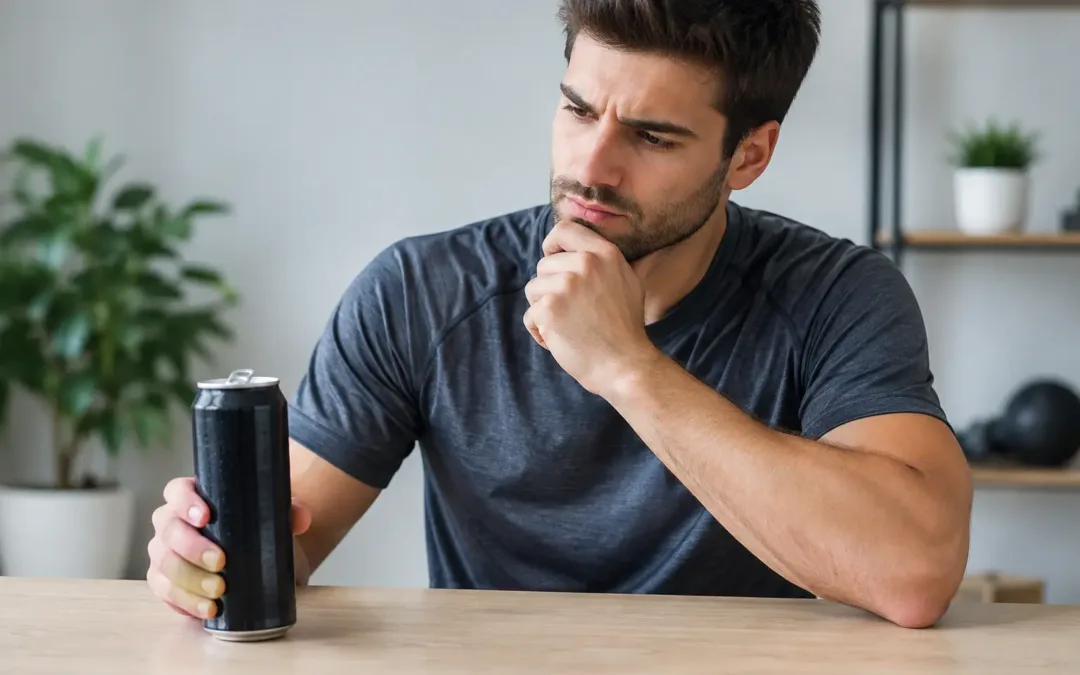
That can of energy drink before a 6 a.m. workout, long shift, or late-night drive may feel like a practical performance tool. But are energy drinks harmful for men who use them regularly? They can be, particularly when high caffeine doses, added sugar, poor sleep, alcohol, intense exercise, or an underlying heart condition enter the picture.
An occasional energy drink is unlikely to cause major problems for every healthy adult. The concern is the pattern: relying on them to function, stacking multiple cans, or using them to push through fatigue your body is trying to flag. For men focused on strength, stamina, libido, body composition, and long-term health, that distinction matters.
Are Energy Drinks Harmful? It Depends on Dose and Context
Energy drinks are not all the same. A small can with around 80 milligrams of caffeine is very different from a large serving containing 200 to 300 milligrams, especially if you also had coffee, pre-workout, soda, tea, or caffeine pills that day.
For most healthy adults, up to 400 milligrams of caffeine per day is commonly considered a reasonable upper limit. That is not a target to hit. It is a ceiling that can arrive quickly when caffeine comes from several sources. Sensitivity also varies widely. One man may feel focused after 100 milligrams, while another gets shaking hands, a racing heart, stomach upset, and anxiety at the same amount.
The bigger issue is that energy drinks often combine caffeine with ingredients such as guarana, taurine, ginseng, B vitamins, and sugar or sweeteners. Guarana itself contains caffeine, so the total stimulant load can be higher than people realize. Research does not show that every added ingredient is dangerous on its own, but blends can make it harder to judge how your body will respond.
The Main Risks for Men Who Drink Them Often
Heart rate and blood pressure can rise
Caffeine stimulates the nervous system. In the short term, that can increase alertness and exercise drive. It can also temporarily raise heart rate and blood pressure. For a man with high blood pressure, heart disease, an abnormal heart rhythm, or a family history of early cardiac problems, that extra strain deserves more caution.
Palpitations, chest discomfort, unusual shortness of breath, dizziness, or fainting after an energy drink are not signs to tough out. Stop using the product and get medical advice promptly. Chest pain, fainting, or severe trouble breathing requires urgent medical attention.
Even if you are young and fit, more is not better. Taking a high-caffeine energy drink before hard training can leave you dehydrated, jittery, and less aware of warning signs that you are overreaching. Stimulants can make effort feel easier without changing what your heart and muscles are actually capable of handling.
Sleep takes the hit, then performance follows
The most common downside is also one of the most damaging over time: worse sleep. Caffeine can remain active in your system for hours. A drink in the afternoon may still interfere with sleep that night, even if you fall asleep easily.
Poor sleep affects more than next-day energy. Consistently short or disrupted sleep can work against fat loss, appetite control, blood sugar management, mood, recovery, testosterone health, and sexual function. Men sometimes reach for an energy drink because they are tired, then sleep poorly because of the energy drink, creating a cycle that feels productive but steadily reduces performance.
If you depend on caffeine just to feel normal, the solution may not be a stronger can. It may be an honest look at sleep duration, sleep apnea symptoms, stress, alcohol use, training volume, diet quality, or a health condition worth discussing with a clinician.
Sugar can undermine body-composition goals
Some energy drinks contain large amounts of added sugar. Liquid sugar is easy to consume quickly and does not keep you full the way a meal with protein and fiber does. Regular use can add hundreds of calories each week, making it harder to lose abdominal fat or maintain a healthy weight.
Sugar-free options remove that specific calorie problem, but they do not eliminate caffeine-related risks. They can also preserve the habit of reaching for intense sweetness and stimulation whenever energy dips. Think of sugar-free energy drinks as a different trade-off, not a health pass.
Anxiety, headaches, and crashes are real
Caffeine can sharpen attention at a sensible dose, but too much can feel like anxiety: restlessness, irritability, sweating, tremors, and an inability to settle down. Men who already deal with anxiety or panic symptoms may be especially vulnerable.
The crash is often not just the drink wearing off. It can reflect dehydration, a blood-sugar swing after a sugary drink, skipped meals, or sleep debt. Headaches and fatigue can also appear when a regular user suddenly stops caffeine. That is dependence, not a lack of willpower.
Energy Drinks, Alcohol, and Workouts: Two High-Risk Combos
Mixing energy drinks with alcohol is a bad bargain. Caffeine can make you feel less sleepy or less impaired than you truly are, which may encourage more drinking, riskier decisions, and dehydration. It does not cancel alcohol’s effects on judgment, coordination, or driving ability.
Using energy drinks around exercise requires judgment too. If you are well-rested, hydrated, and healthy, a moderate caffeine dose may improve training focus or endurance. But energy drinks are not a replacement for food, fluids, or conditioning. Avoid treating them like mandatory workout fuel, particularly in hot conditions or during long sessions where hydration and electrolytes matter more.
Men with blood pressure problems, heart symptoms, anxiety, reflux, diabetes, or sleep difficulties should be especially careful. The same goes for anyone taking stimulant medication, certain decongestants, or medications that affect blood pressure or heart rhythm. A pharmacist or clinician can help you check for personal interactions.
A Smarter Way to Use Caffeine
You do not have to swear off caffeine to protect your health. The goal is to use it deliberately instead of letting it run your schedule. Start by checking the label and adding up caffeine from every source, not just the can in your hand.
Keep energy drinks occasional rather than automatic. Choose smaller servings, avoid them late in the day, and do not combine them with alcohol or other stimulants. Eat a real meal before demanding work or training when possible. Protein, high-fiber carbohydrates, water, and adequate sleep deliver steadier energy than a stimulant rush.
If you want a pre-workout lift, coffee or tea can be easier to dose because the ingredient list is simpler. That does not make them risk-free, but it can make it easier to stay within your tolerance. Pay attention to your response: a productive dose should not leave you shaky, nauseated, wired at bedtime, or dependent on a second can.
When Fatigue Needs More Than Caffeine
Persistent low energy is worth taking seriously, especially if it comes with low libido, reduced exercise capacity, unexplained weight changes, depression, loud snoring, daytime sleepiness, or erection changes. These symptoms can be related to sleep apnea, low testosterone, anemia, thyroid problems, diabetes, medication effects, or cardiovascular concerns.
Do not self-diagnose from a can of energy drink or assume fatigue is simply part of getting older. A basic medical evaluation can identify causes that no stimulant can fix. That approach is far more useful for protecting your performance in the gym, at work, and at home.
Energy drinks work best when they are an occasional tool, not the engine of your life. If your energy needs constant chemical support, give your body the stronger foundation it is asking for: sleep, nutrition, hydration, recovery, and a medical check-in when something does not feel right.
This article contains general information about medical conditions and treatments. The information is not advice, and should not be treated as such. Click here for further information.

