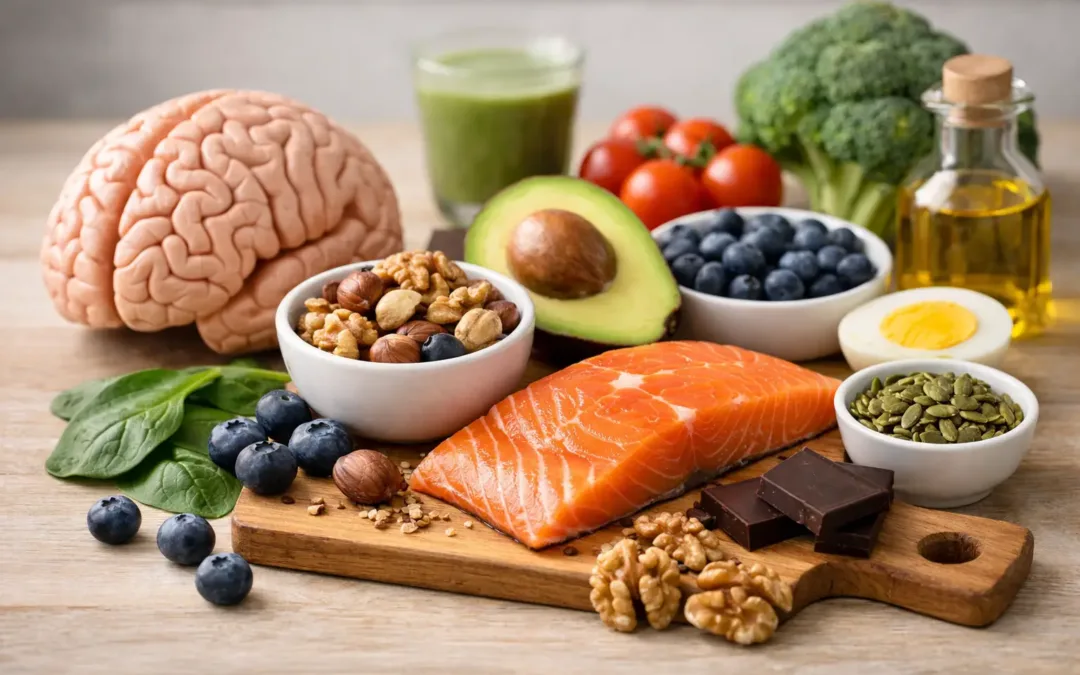
You notice brain health when it slips. Names take longer to come back. Focus falls apart by mid-afternoon. Sleep is off, stress is up, and your usual mental edge feels dull. That is why the best foods for brain health in men matter long before serious memory problems show up. What you eat affects blood flow, inflammation, blood sugar, recovery, and even the raw materials your brain uses to make neurotransmitters.
For men, that matters on multiple levels. Better brain nutrition can support concentration at work, decision-making under stress, mood stability, training recovery, and healthy aging. It can also help address some of the same risk factors tied to heart disease, obesity, diabetes, and poor sleep - all of which can drag cognitive performance down over time.
This is not about finding one miracle food. Brain health is built by patterns. Still, some foods consistently stand out because they support the brain in ways that are backed by solid nutrition science and make practical sense in real life.
Why brain health nutrition hits men differently
Men are often taught to pay attention to performance only when something starts failing. That mindset can backfire with brain health. High stress, long work hours, heavy training, alcohol, extra body fat, untreated sleep apnea, and blood pressure issues can all chip away at focus and memory years before a diagnosis enters the picture.
There is also the reality of aging. As men get older, risk rises for vascular issues that affect the brain as much as the heart. If you are over 40, the foods on your plate are doing more than managing calories. They are influencing circulation, insulin response, oxidative stress, and inflammation - all major pieces of the cognitive puzzle.
12 best foods for brain health in men
1. Fatty fish
Salmon, sardines, trout, herring, and mackerel are at the top for a reason. They provide omega-3 fats, especially DHA, which is a major structural fat in the brain. These fats help support cell membranes, communication between brain cells, and healthy inflammation levels.
For men who eat a lot of processed foods or rely heavily on red meat and takeout, adding fatty fish two times a week can be a meaningful upgrade. Sardines are especially practical because they are affordable, shelf-stable, and rich in vitamin D and B12 too.
2. Eggs
Eggs are one of the most useful foods for men who want better brain support without overcomplicating breakfast. They provide choline, a nutrient your body uses to make acetylcholine, a neurotransmitter involved in memory and learning. They also bring protein, B vitamins, and lutein.
If you avoid egg yolks because of outdated cholesterol fears, this is worth revisiting with your doctor based on your own health history. For many men, whole eggs can fit well into a balanced diet.
3. Blueberries and other berries
Berries bring compounds called flavonoids, which are linked with better brain aging and reduced oxidative stress. Blueberries get most of the attention, but blackberries and strawberries are also strong choices.
This is one of the easiest upgrades to make. Add berries to Greek yogurt, oatmeal, or a protein smoothie. Frozen berries work just as well in most cases and cost less than fresh.
4. Leafy greens
Spinach, kale, arugula, collards, and Swiss chard deliver folate, vitamin K, magnesium, and antioxidant compounds that help protect brain cells. These foods also support blood vessel health, which matters because your brain is heavily dependent on steady circulation.
Men who struggle to eat vegetables often do better when greens are built into meals they already like. Toss spinach into eggs, add arugula to sandwiches, or blend greens into a smoothie if salads are not your thing.
5. Walnuts
Walnuts are one of the smartest snack swaps for brain support. They provide healthy fats, polyphenols, magnesium, and some plant-based omega-3s. They are not a replacement for fatty fish, but they are still useful.
The main catch is portion size. Nuts are healthy, but calories add up fast. A small handful works better than mindlessly eating half the bag at your desk.
6. Extra virgin olive oil
This is less flashy than a supplement bottle, but it does more. Extra virgin olive oil is a staple in eating patterns linked with better heart and brain outcomes. It contains monounsaturated fats and polyphenols that may help reduce inflammation and support blood vessel function.
Use it as your default oil for salads, roasted vegetables, and simple home cooking. If most of your fat intake comes from fried food, processed snacks, and fast food, this switch can improve more than brain health.
7. Avocados
Avocados support the brain indirectly and directly. They provide monounsaturated fat, fiber, potassium, and antioxidants. That mix can help with blood pressure, metabolic health, and overall circulation, which all feed into cognitive performance.
They also make meals more filling, which can help men who deal with blood sugar swings from carb-heavy breakfasts or skipped meals followed by overeating.
8. Pumpkin seeds
Pumpkin seeds deserve more attention, especially for men. They contain magnesium, zinc, iron, and healthy fats. Zinc plays a role in nerve signaling, while magnesium supports sleep, stress regulation, and normal brain function.
This is a useful food for men who train hard, sweat a lot, or eat a fairly limited diet. Sprinkle them on yogurt, oatmeal, or salads, or keep a small container in your work bag.
9. Beans and lentils
Brain health is not only about fats and antioxidants. Stable blood sugar matters too. Beans and lentils provide fiber, complex carbs, plant protein, magnesium, and folate, which can help create steadier energy and fewer mental crashes.
If your afternoons are powered by coffee and vending machine snacks, this is one place to improve. A lunch with beans, vegetables, and protein will usually serve your focus better than a giant sub and chips.
10. Oats
Oats are simple, cheap, and effective. They provide slow-digesting carbohydrates that can help maintain more stable blood sugar and energy. That matters for concentration, especially in the morning.
The best version is less processed oats with added protein and healthy fat. Plain oatmeal with berries, walnuts, and Greek yogurt is a much better brain-supporting breakfast than sugary cereal or a pastry.
11. Fermented foods
Yogurt, kefir, kimchi, sauerkraut, and other fermented foods may help support the gut microbiome, and that matters because the gut and brain constantly communicate. Mood, inflammation, and even stress response can be influenced by gut health.
This area is still evolving, so it is smart not to overstate it. Fermented foods are not magic, but they can be a useful part of a brain-friendly eating pattern, especially if your diet is low in fiber and minimally processed foods.
12. Dark chocolate
Yes, this one makes the list. Dark chocolate contains flavonoids that may support blood flow and cognitive function. It can also be a realistic way for men to satisfy a sweet tooth without going all in on desserts that spike blood sugar.
The trade-off is obvious. Chocolate is still calorie-dense, and not all products are created equal. A small portion of dark chocolate with a higher cocoa content is very different from a candy bar.
How to build the best foods for brain health in men into your routine
You do not need a perfect meal plan to get results. What matters is repetition. If you consistently build meals around a few of these foods, the benefits stack up.
A strong day might look like eggs and oatmeal with berries at breakfast, a lunch with leafy greens, beans, olive oil, and grilled salmon, then Greek yogurt with walnuts or pumpkin seeds as a snack. Dinner could be built around fish or lean protein, vegetables, and avocado or olive oil. That is not extreme. It is just more intentional.
The bigger point is replacing weaker defaults. Brain-friendly nutrition works best when it pushes out the foods that work against you - ultra-processed snacks, heavy fried meals, sugar-loaded drinks, and alcohol-heavy weekends. It is not that you can never have them. It is that they should stop being the foundation.
What can quietly cancel out a good brain diet
Food helps, but it cannot fully cover for poor sleep, chronic stress, uncontrolled blood pressure, inactivity, or binge drinking. A man can eat salmon and blueberries all week and still feel mentally sluggish if he sleeps five hours, drinks too much, and never moves his body.
That is where a practical approach matters. If your focus is poor, ask bigger questions too. Are you sleeping well? Is your waistline trending up? Do you get regular exercise? Has your blood pressure or blood sugar been checked lately? Brain health is rarely one issue in isolation.
Should men use supplements instead?
Sometimes supplements make sense, especially if you have a diagnosed deficiency or do not eat certain foods. But they should fill gaps, not replace actual meals. Whole foods bring combinations of nutrients and plant compounds that pills often cannot match.
If you are considering omega-3s, magnesium, or other brain-related supplements, it makes sense to look at your current diet first. In many cases, better meals will give you more value than another product in the cabinet.
If you want sharper thinking, better mood, and stronger long-term health, start where you have the most control - your next grocery run, your next breakfast, your next lunch at work. Small changes done consistently beat big intentions every time.
This article contains general information about medical conditions and treatments. The information is not advice, and should not be treated as such. Click here for further information.