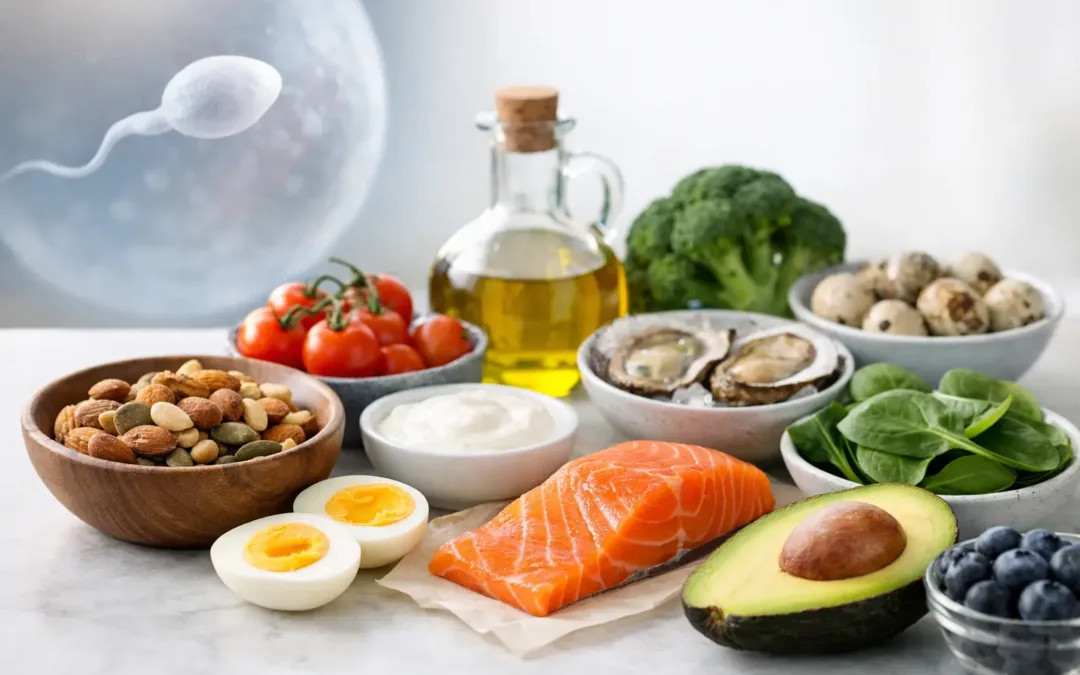
Trying for a baby can make your diet feel a lot more personal, fast. When sperm count, motility, or morphology are on your mind, the question gets practical: which male fertility foods are actually worth putting on your plate, and which claims are just hype?
Food is not a magic fix for infertility, but it does influence the systems that matter most - hormone production, blood flow, inflammation, oxidative stress, and nutrient status. For a lot of men, that means diet is one of the few factors they can start improving right away while they wait for testing, make lifestyle changes, or talk with a doctor.
Why male fertility foods matter
Sperm cells are unusually vulnerable to damage. They are sensitive to heat, smoking, heavy alcohol use, poor blood sugar control, obesity, nutrient deficiencies, and high levels of oxidative stress. That last one matters because oxidative stress can damage sperm DNA and reduce motility.
This is where food comes in. A solid fertility-supportive diet helps provide antioxidants, healthy fats, minerals, and vitamins that support sperm production and hormone balance. It also tends to improve the bigger picture: body weight, heart health, insulin sensitivity, and circulation. Those are not separate from fertility. In men, reproductive health is often tied closely to metabolic health.
That said, there is no single fertility superfood. What matters most is your overall eating pattern, repeated day after day. One salmon dinner will not transform your semen analysis. Better habits over a few months can make a real difference, because sperm development takes time.
The best male fertility foods to focus on
If you want the biggest return, focus on foods tied to nutrients that show up again and again in male fertility research: zinc, selenium, omega-3 fats, folate, vitamin C, vitamin E, lycopene, and antioxidants from colorful produce.
Fatty fish for omega-3s
Salmon, sardines, trout, and mackerel are strong choices because they provide omega-3 fatty acids, which are linked to sperm membrane health and motility. These fats also support cardiovascular health, and better circulation tends to support sexual health overall.
If you rarely eat fish, this is one of the most useful upgrades you can make. Aim to work fatty fish into meals a couple of times a week. If you hate fish, it does not mean your fertility is doomed, but you will want to get healthy fats from other sources and talk with a clinician before relying on supplements.
Oysters and other zinc-rich foods
Zinc is one of the headline minerals for male reproductive health, and for good reason. It plays a role in testosterone production, sperm development, and immune function. Oysters get the attention because they are extremely rich in zinc, but beef, pumpkin seeds, crab, and beans can help too.
More is not always better. If your zinc intake is already solid, piling on huge amounts will not necessarily improve sperm quality. But men who eat a low-quality diet or cut out major food groups can fall short.
Eggs for protein and choline
Eggs are a practical fertility food because they deliver high-quality protein along with choline, selenium, and vitamin B12. Protein matters because sperm production is an energy-demanding process, and low-protein junk-heavy diets usually come with other nutrient gaps.
Eggs are also easy to fit into a real routine. That matters. The best fertility diet is one you can actually maintain on workdays, not just one that looks good on paper.
Nuts and seeds for selenium and vitamin E
Walnuts, Brazil nuts, sunflower seeds, and pumpkin seeds are useful additions for men trying to improve fertility. Walnuts provide healthy fats, while Brazil nuts are especially rich in selenium, a trace mineral involved in sperm formation and protection against oxidative damage.
This is one area where moderation matters. Brazil nuts are potent, and eating a large amount every day is not a smart move because too much selenium can backfire. A small amount goes a long way.
Citrus, berries, and kiwi for vitamin C
Vitamin C helps protect sperm from oxidative stress and may support sperm quality. Citrus fruits, strawberries, blueberries, and kiwi are easy ways to increase intake without overthinking it.
This is also where a simple habit beats a complicated nutrition plan. Adding fruit to breakfast or using it as your default snack is easier than chasing an expensive fertility powder with questionable benefits.
Tomatoes for lycopene
Tomatoes, especially cooked tomato products like sauce and paste, are rich in lycopene. Lycopene has been studied for its antioxidant effects and possible benefits for sperm parameters in some men.
The evidence is not perfect, and tomatoes are not a miracle treatment. Still, they are one of the more practical foods to include because they are affordable and easy to use in meals.
Leafy greens and beans for folate
Folate is usually discussed in women’s health, but men need it too. It plays a role in DNA synthesis and cell division, both of which matter for sperm production. Spinach, romaine, black beans, lentils, and asparagus are smart additions.
If your diet is light on vegetables and high on fast food, this is low-hanging fruit. Improving folate intake through food often means you are also improving fiber, potassium, and overall diet quality.
What to eat less often
Talking about male fertility foods only tells half the story. Some dietary patterns work against sperm health even if you add a few good foods on top.
Highly processed diets, heavy intake of sugar-sweetened drinks, frequent fried foods, and excess alcohol can all hurt the bigger picture. They contribute to inflammation, poor metabolic health, and weight gain, which can interfere with testosterone balance and sperm quality.
Processed meats are another area where moderation makes sense. You do not need to panic over the occasional deli sandwich, but a diet built around bacon, sausage, fast food burgers, and frozen convenience meals is not helping your reproductive health.
Soy gets a lot of attention in male health conversations, but for most men, moderate soy intake is not the main problem. A consistently poor overall diet is the bigger issue by far.
A better eating pattern for sperm health
Instead of chasing isolated superfoods, build your meals around a pattern that supports fertility. That usually looks a lot like a Mediterranean-style approach: fish, eggs, beans, fruit, vegetables, olive oil, nuts, whole grains, and lean proteins.
This kind of eating pattern supports sperm health from several angles at once. It improves antioxidant intake, helps with body composition, supports better blood sugar control, and reduces the odds that your diet is missing key nutrients. It is also realistic for men who want results without turning every meal into a science project.
A simple day might look like eggs with spinach at breakfast, Greek yogurt with berries as a snack, a salmon or chicken grain bowl at lunch, fruit and nuts in the afternoon, and a dinner built around beans, vegetables, olive oil, and a tomato-based dish. Nothing fancy. Just consistent.
Lifestyle still matters as much as food
If you are serious about fertility, do not expect diet to carry the whole load. Weight management, sleep, exercise, alcohol intake, smoking, and heat exposure all matter. Men who eat well but sleep five hours a night, binge drink on weekends, sit all day, and use hot tubs constantly are leaving a lot on the table.
This is especially relevant for men over 40, when testosterone trends, metabolic issues, and recovery often shift. Better nutrition can help, but it works best as part of a broader upgrade in how you train, sleep, and manage stress.
It is also worth remembering that fertility issues are not always caused by lifestyle. Varicocele, hormone disorders, medication effects, infections, and structural problems can all play a role. If you have been trying to conceive without success, getting evaluated matters. Good habits are powerful, but they are not a substitute for proper medical workup.
When male fertility foods can help the most
Diet changes tend to be most helpful when there is room for improvement. If your current eating habits are heavy on takeout, low on produce, and inconsistent on protein, the upside is bigger. If you already eat well, the benefit may be smaller and more gradual.
The timeline matters too. Because sperm take time to develop, most diet and lifestyle changes need a few months before you can fairly judge the effect. That can feel slow, but it is normal. Fertility is rarely a one-week fix.
At Male Health Zone, the practical message is simple: treat fertility like a performance goal. Feed the system that drives hormones, circulation, recovery, and sperm production. You do not need a perfect diet. You need a better one, consistently.
Start with a few upgrades you can keep - more fish, more fruit, more vegetables, more nuts and seeds, fewer ultra-processed meals, less alcohol, and better sleep. Small moves done daily usually beat big plans that last one week.
This article contains general information about medical conditions and treatments. The information is not advice, and should not be treated as such. Click here for further information.