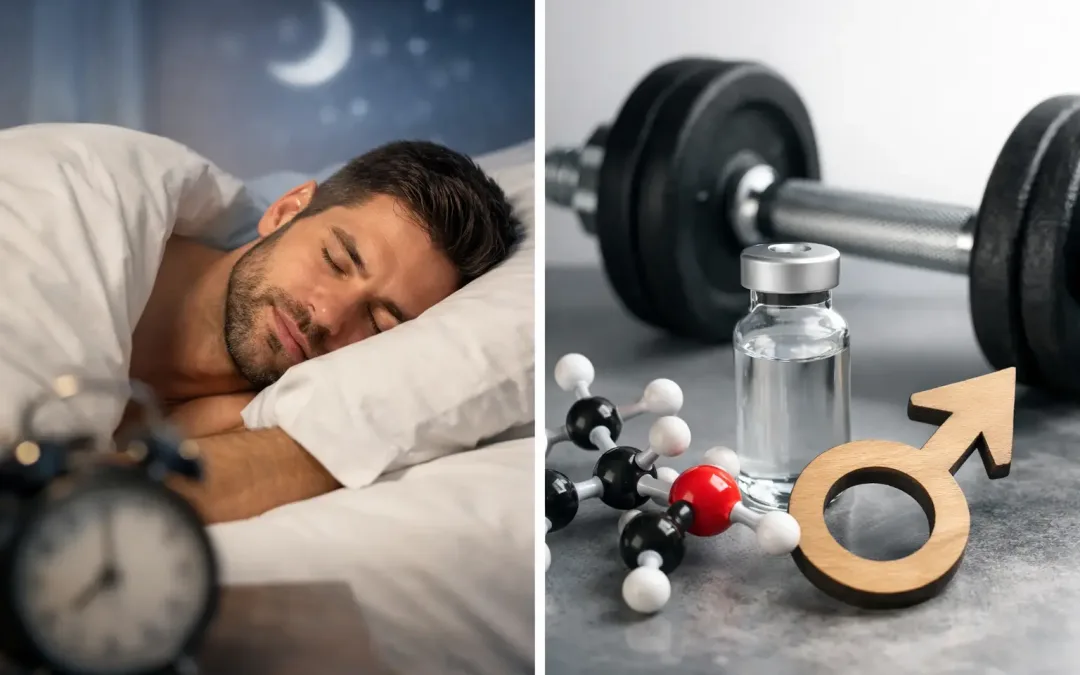
If your workouts feel flat, your sex drive is off, and your energy crashes by midafternoon, the problem may not start in the gym or the kitchen. The sleep and testosterone connection is one of the most overlooked pieces of men’s health, and it matters more than a lot of guys realize. You can train hard, eat plenty of protein, and still make life harder on your hormones if your sleep is inconsistent, too short, or poor in quality.
Testosterone is not just about libido. It also affects muscle maintenance, fat distribution, motivation, mood, recovery, and even mental sharpness. Sleep is one of the main times your body regulates hormone production, repairs tissue, and resets the systems that keep you performing well. When sleep gets cut short, testosterone often follows.
Why the sleep and testosterone connection matters
A lot of men think low testosterone is only an age issue. Age does matter, but sleep quality can influence testosterone at almost any stage of adult life. Men in their 20s and 30s can see the effects of poor sleep just as clearly as men over 40, especially if stress, shift work, late-night screen time, alcohol, or sleep apnea are in the picture.
The relationship works both ways. Poor sleep can lower testosterone, and low testosterone can sometimes make sleep worse by affecting mood, body composition, and overall recovery. That feedback loop can leave you feeling stuck. You sleep badly, feel drained, skip exercise or overdo caffeine, then sleep even worse the next night.
This is why fixing sleep is often one of the smartest first steps when a man starts noticing lower drive, weaker gym performance, or unexplained fatigue. It is not always the full answer, but it is one of the highest-value places to start.
How sleep affects testosterone production
Your body does not produce hormones in a random way. Testosterone follows a daily rhythm, and sleep helps regulate that rhythm. Much of testosterone production is tied to normal sleep architecture, especially getting enough total sleep and moving through healthy sleep cycles.
When you regularly sleep too little, your body has less opportunity to carry out the hormone signaling that supports normal testosterone levels. Even short-term sleep restriction can have an effect. That means a week of five-hour nights is not just making you tired. It may also be dragging down the hormonal environment that supports energy, strength, and sexual health.
Sleep quality matters too. You can spend eight hours in bed and still wake up unrefreshed if your sleep is fragmented. Frequent wake-ups, snoring, breathing issues, stress, and alcohol can all interfere with deep, restorative sleep. In practical terms, broken sleep can be nearly as frustrating as short sleep because the body never fully settles into the kind of recovery it needs.
What poor sleep can look like in men
The signs are not always dramatic. Sometimes the changes are subtle enough that men chalk them up to getting older or being busy. You may notice lower morning energy, less interest in sex, slower recovery after exercise, increased belly fat, irritability, or trouble concentrating.
Those symptoms do not automatically mean low testosterone, and they do not automatically mean sleep is the only cause. Thyroid issues, depression, poor diet, overtraining, medication side effects, and chronic stress can all overlap. Still, when several of these signs show up together, sleep deserves a serious look.
One clue many men miss is the pattern. If you feel better after a vacation, a long weekend, or a stretch of consistent sleep, that is useful information. It suggests your body responds when recovery improves.
Sleep apnea and testosterone in men
This is one area where the sleep and testosterone connection becomes especially important. Obstructive sleep apnea is common in men, especially those who are overweight, over 40, or have large neck circumference, high blood pressure, or loud snoring. It causes repeated breathing interruptions during sleep, which lowers sleep quality and can reduce oxygen levels overnight.
Men with sleep apnea often report daytime fatigue, low libido, morning headaches, poor focus, and mood changes. Those symptoms can overlap heavily with low testosterone. In some cases, a man may focus on testosterone supplements or boosters while the real issue is untreated sleep apnea.
That does not mean every tired man has sleep apnea, but if you snore heavily, gasp during sleep, or wake up feeling exhausted despite enough time in bed, it is worth discussing with a healthcare professional. Treating sleep apnea can improve quality of life in a big way and may also support healthier hormone balance.
How much sleep do men need for healthy testosterone?
Most adult men do best with seven to nine hours of sleep per night. The exact number varies. Some men feel solid at seven and a half hours, while others clearly need closer to eight or nine. What matters is not chasing a perfect number. What matters is whether you are sleeping enough consistently to wake up alert, recover well, and function without dragging yourself through the day.
Consistency counts more than many guys think. Sleeping five hours on weekdays and trying to make up for it on weekends is better than nothing, but it is not the same as getting regular, adequate sleep. Your body likes a stable rhythm. Bedtime and wake time that swing wildly from day to day can throw off sleep quality even when total hours look decent on paper.
Can better sleep raise testosterone?
If sleep deprivation or poor sleep quality is part of the problem, improving sleep may help support testosterone naturally. That is the key phrase - if sleep is part of the problem. Men with medically low testosterone due to other causes may need a broader evaluation, and sometimes treatment. But many men are operating with preventable sleep debt, and that is a good place to make progress.
Better sleep can also improve the habits that influence hormones indirectly. When you sleep well, you are more likely to train effectively, make better food choices, manage stress, and avoid overusing alcohol or caffeine. Those changes create a healthier overall environment for testosterone.
The trade-off is that sleep improvement is not always instant. If you have been sleeping badly for months or years, you may need several weeks of consistent changes before you notice a real difference in energy, libido, or recovery. The payoff is usually broader than hormone support alone.
Practical ways to improve sleep and support testosterone
Start with your schedule. Go to bed and wake up at roughly the same time most days, including weekends when possible. That one habit can improve sleep quality more than many men expect.
Get serious about light exposure. Bright light in the morning helps anchor your body clock, while heavy screen exposure late at night can make it harder to wind down. You do not need to live like a monk, but cutting bright screens for the last hour before bed helps many men fall asleep faster.
Watch alcohol and heavy late meals. Alcohol can make you feel sleepy, but it often disrupts sleep later in the night. Large meals right before bed can do the same. If your evenings regularly include both, your sleep may be paying the price.
Keep caffeine on a leash. For some men, caffeine at 2 p.m. is fine. For others, it still affects sleep at 10 p.m. If you have trouble falling asleep, experiment with an earlier cutoff and see what changes.
Train hard, but not mindlessly. Exercise generally supports better sleep and healthier testosterone, especially resistance training and regular movement. But crushing yourself late at night or never taking recovery seriously can backfire. More is not always better.
Make your bedroom easier to sleep in. A cool, dark, quiet room is not glamorous advice, but it works. Good sleep habits are usually boring before they are effective.
When to get checked
If you are sleeping seven to nine hours consistently and still dealing with low energy, poor libido, erectile issues, depressed mood, or reduced strength, it may be time for a medical evaluation. Blood work can help sort out whether testosterone is actually low and whether other issues are involved.
This matters because not every symptom that looks hormonal is hormonal. And not every testosterone problem should be handled with a quick fix. Sometimes the right move is improving sleep and lifestyle. Sometimes it is treating sleep apnea. Sometimes it is addressing a medical condition. The best plan depends on the cause.
For a lot of men, better health starts with doing the basic things well before chasing complicated solutions. Sleep is one of those basics that can quietly change your hormones, your performance, and how you feel in your own body. If you want to feel more like yourself again, start with tonight.
This article contains general information about medical conditions and treatments. The information is not advice, and should not be treated as such. Click here for further information.