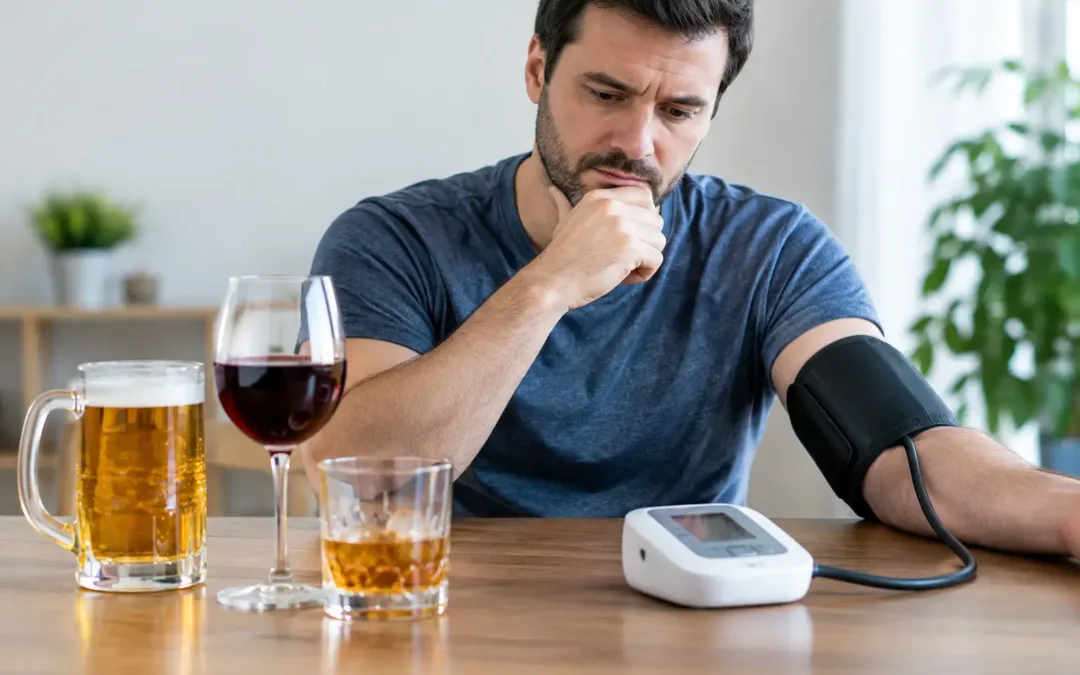
A few drinks may feel like a way to switch off after work, celebrate a win, or relax with friends. But does alcohol raise blood pressure? Yes, it can - especially when drinking is frequent, heavy, or packed into weekends. For men already working on energy, fitness, sexual performance, or long-term heart health, that connection is worth taking seriously.
High blood pressure rarely causes obvious symptoms, yet it steadily strains the heart, arteries, kidneys, brain, and sexual function. Alcohol is not the only cause, but it is one of the lifestyle factors you can change.
Does Alcohol Raise Blood Pressure Over Time?
Alcohol can raise blood pressure both in the short term and over time. A single drinking session may temporarily affect circulation, heart rate, sleep, and hydration. Regular intake, particularly at higher amounts, is more strongly tied to sustained high blood pressure, also called hypertension.
The effect varies. A healthy, active man who has one drink occasionally does not have the same risk profile as someone having several beers nightly or six to eight drinks every Saturday. Still, alcohol is not a free pass just because you lift weights, eat clean during the week, or do not feel unhealthy.
Blood pressure is measured with two numbers. The top number, systolic pressure, reflects pressure when your heart contracts. The bottom number, diastolic pressure, reflects pressure between beats. Both can rise when alcohol becomes a regular part of your routine.
For many men, the bigger issue is not one glass of wine at dinner. It is the pattern: drinks after stressful days, oversized pours at home, game-day binge drinking, and the belief that beer does not count the same as liquor. It all counts toward your total alcohol intake.
Why Drinking Can Push Blood Pressure Higher
Alcohol affects blood pressure through several overlapping pathways. It can activate stress hormones, increase heart rate, and interfere with the body systems that regulate blood vessel tension and fluid balance. Over time, this can make it harder for your arteries to relax normally.
Drinking also makes common blood pressure problems worse indirectly. Alcohol contains calories, can increase appetite, and may contribute to weight gain around the midsection. Excess abdominal fat is closely linked with higher blood pressure, insulin resistance, lower testosterone, and poorer cardiovascular fitness.
Sleep is another major factor. Alcohol may make you feel sleepy at first, but it often disrupts restorative sleep later in the night. Poor sleep can raise stress hormones and blood pressure. If you snore heavily, wake up exhausted, or have sleep apnea, alcohol before bed can further worsen breathing interruptions.
Then there is the next-day effect. Heavy drinking can leave you dehydrated, anxious, sleep-deprived, and more likely to skip training, eat salty takeout, and reach for extra caffeine. One night does not define your health, but repeating that cycle can.
Binge Drinking Is Especially Hard on the Heart
Binge drinking means consuming a large amount of alcohol in a short window. For men, that commonly means five or more drinks on one occasion. This pattern can cause sharp, temporary changes in blood pressure and heart rhythm, even in men who are otherwise young and fit.
It also creates a misleading picture. You might have normal readings at a routine checkup while your blood pressure spikes during weekends, after social events, or the morning after a heavy night. Those repeated spikes still place stress on the cardiovascular system.
How Much Alcohol Is Too Much for Blood Pressure?
For men who drink, lower intake is generally better for blood pressure. U.S. guidance commonly defines moderate drinking as up to two standard drinks a day for men, but that is a limit, not a health target. If you do not drink now, there is no heart-health reason to start.
A standard drink is smaller than many people think: 12 ounces of regular beer, 5 ounces of wine, or 1.5 ounces of 80-proof spirits. A tall craft beer, a large wine glass, or a mixed drink with a generous pour may contain two or more standard drinks.
If you have high blood pressure, take blood pressure medication, have atrial fibrillation, liver disease, sleep apnea, or a family history of early heart disease, cutting back is especially worthwhile. Some men see meaningful improvements when they reduce drinking, lose excess weight, sleep better, and become more active at the same time.
Do not stop prescribed blood pressure medication because your readings improve or because you plan to drink less. Medication decisions should be made with your clinician, based on a pattern of readings rather than one good day.
Signs Alcohol May Be Affecting Your Blood Pressure
High blood pressure is usually silent, so do not wait for symptoms. A home blood pressure monitor can give you useful feedback when used correctly. Check at the same times of day, sit quietly for five minutes first, and avoid measuring immediately after exercise, caffeine, nicotine, or alcohol.
Pay attention if your readings are repeatedly higher after weekends, vacations, business trips, or stretches of nightly drinking. Other clues can include worsening sleep, frequent morning headaches, palpitations, reduced workout recovery, unexplained weight gain, or erectile difficulties. These symptoms have many possible causes, but they are good reasons to look at your blood pressure and drinking habits honestly.
For most adults, a consistent home reading of 130/80 or higher deserves a conversation with a health professional. A reading of 180/120 or higher, especially with chest pain, shortness of breath, severe headache, weakness, confusion, vision changes, or trouble speaking, requires urgent medical attention.
A Practical Way to Cut Back Without Killing Your Social Life
You do not need to make a dramatic declaration to improve your numbers. Start by tracking what you actually drink for two weeks, including pours at home and drinks that friends top off. Most men underestimate intake until they see the total.
Next, choose a clear rule that fits your life. You might keep alcohol out of weeknights, limit yourself to two drinks at social events, alternate alcoholic drinks with sparkling water, or schedule alcohol-free weekends before checking your blood pressure again. Specific rules work better than vague plans to “be better.”
If you usually drink to handle stress, build a replacement routine that gives you a real off-switch: a hard walk, lifting session, hot shower, call with a friend, cooking, or a nonalcoholic drink you genuinely enjoy. The goal is not perfection. It is breaking the automatic link between stress and a drink.
Be careful if you drink heavily every day or have experienced shaking, sweating, nausea, anxiety, seizures, or hallucinations when trying to stop. Alcohol withdrawal can be dangerous. Get medical guidance rather than trying to power through alone.
Alcohol, Blood Pressure, and Men’s Performance
Men often think of blood pressure as a future problem, something to worry about decades from now. In reality, healthy circulation affects the things you care about now: training capacity, energy, mental sharpness, erection quality, and stamina.
High blood pressure can damage the small blood vessels that support erections, while alcohol can reduce sexual performance directly through its effects on the nervous system, hormones, sleep, and judgment. A drink may lower inhibitions, but regular heavy drinking rarely supports reliable performance.
The upside is that blood pressure responds to consistent habits. Less alcohol, more movement, better sleep, a diet built around minimally processed foods, and regular monitoring can move your health in the right direction. Think of cutting back not as losing a reward, but as protecting the engine behind everything you want to keep doing well.
This article contains general information about medical conditions and treatments. The information is not advice, and should not be treated as such. Click here for further information.