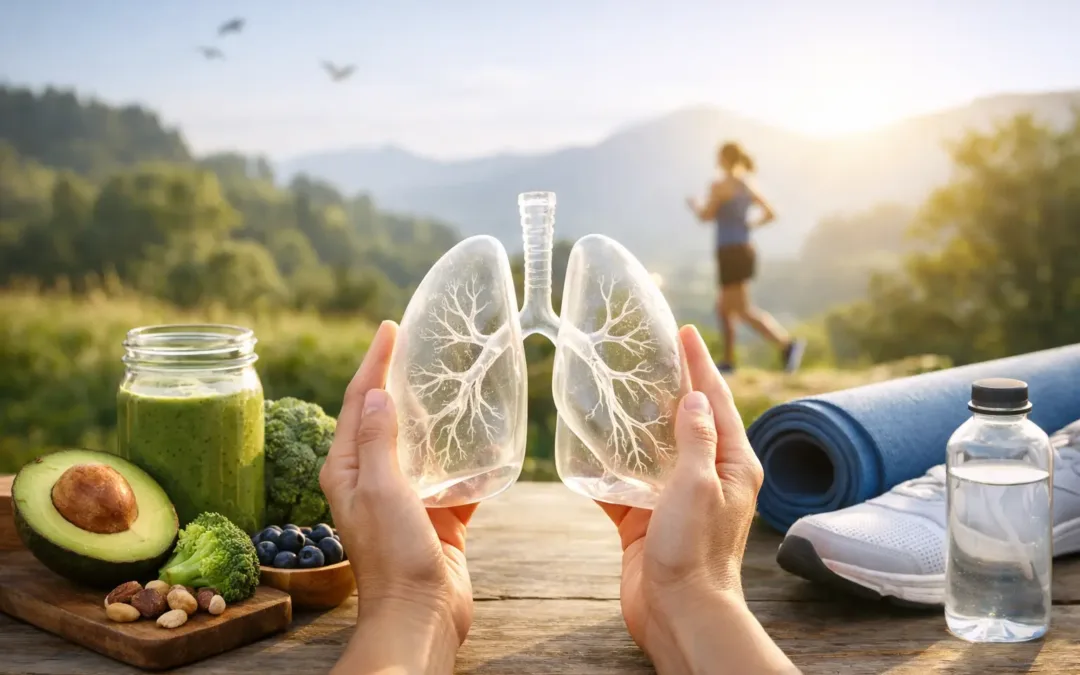
That short walk leaving you more winded than it used to is not just an annoyance. For a lot of men, it is the first sign that lung health deserves more attention. If you have been searching for how to improve lung health naturally, the good news is that your daily habits can make a real difference, especially before small issues turn into bigger limits on your stamina, workouts, sleep, and long-term health.
Lung health is not only about avoiding disease. It affects your energy, training capacity, recovery, focus, and how well you handle stress. For men who want to stay sharp and capable into their 40s, 50s, and beyond, stronger breathing is part of the bigger picture.
Why lung health matters more than most men think
Your lungs work nonstop, but most guys only notice them when something feels off. Maybe it is shortness of breath on stairs, a lingering cough, chest tightness during exercise, or poor endurance during sex, sports, or work. Those changes can come from obvious causes like smoking, but they also show up from indoor air pollution, chronic allergies, poor conditioning, extra body weight, and long periods of sitting.
There is also a performance angle. Healthy lungs help deliver oxygen to your muscles and organs more efficiently. That means better endurance, steadier energy, and less of that drained feeling after physical effort. If you are trying to improve body composition, train harder, or simply feel less gassed during everyday life, lung function is part of the foundation.
How to improve lung health naturally through daily habits
Natural support for your lungs is less about one miracle food or breathing gadget and more about stacking simple habits that reduce irritation and improve breathing mechanics over time.
Stop exposing your lungs to what is damaging them
The first move is obvious but critical. If you smoke, vape, or use any inhaled tobacco product, quitting is the single biggest step you can take. There is no supplement or breathing drill that can outwork ongoing smoke exposure. Even occasional smoking matters, and vaping is not a free pass for lung health.
If you do not smoke, the next target is secondhand exposure and poor air quality. That includes dust, chemical fumes, strong cleaning sprays, garage solvents, wildfire smoke, and workplace irritants. Men who work in construction, manufacturing, landscaping, auto repair, or similar fields need to take this seriously. Protective gear may feel inconvenient, but so does chronic shortness of breath later.
At home, improve ventilation when cooking, vacuum regularly, change HVAC filters on schedule, and keep humidity under control. Mold and airborne particles can quietly irritate your airways for months.
Train your lungs by training your body
Regular exercise is one of the most effective answers to how to improve lung health naturally. Your lungs themselves are not muscles, but your breathing system responds to training. Aerobic exercise helps your body use oxygen more efficiently, while strength work improves posture and chest mechanics that support easier breathing.
Brisk walking, cycling, swimming, rowing, and interval training can all help. The right choice depends on your starting point. If you are carrying extra weight or have been inactive, a daily walk is a strong place to begin. If you already train, adding structured cardio two to four times per week can improve endurance and lower breathlessness during effort.
The key is consistency. Going too hard too fast can backfire, especially if you already feel tight-chested or deconditioned. Build gradually and pay attention to recovery.
Use breathing exercises that actually help
Breathing exercises are useful, but they are often oversold. They will not reverse serious disease, yet they can improve breathing efficiency, reduce tension, and help you feel more in control during physical exertion.
Diaphragmatic breathing is a good place to start. Instead of shallow breathing into your upper chest, aim to let your abdomen expand as you inhale. This trains the diaphragm to do more of the work and can reduce unnecessary neck and shoulder tension.
Pursed-lip breathing can also help, especially if you feel breathless. Inhale through your nose, then exhale slowly through lightly pursed lips. That slower exhale may help keep airways open longer and improve the feeling of air movement.
A few minutes a day is enough to make these drills practical. You do not need to turn it into a major routine.
Foods that support better lung function
No diet can make your lungs invincible, but food choices can influence inflammation, immune defense, and body weight, all of which affect breathing.
A diet built around fruits, vegetables, beans, nuts, whole grains, olive oil, and quality protein gives your lungs a better environment to function in. Men often focus on protein and calories for muscle, but produce matters too. Berries, citrus, leafy greens, tomatoes, and bell peppers provide antioxidants that may help protect lung tissue from oxidative stress.
Omega-3 fats from fish like salmon and sardines may support a healthier inflammatory response. On the other side, a steady diet of ultra-processed foods, excess alcohol, and high-sodium fast food can work against you by promoting inflammation, bloating, and poor cardiovascular health.
Hydration matters more than many men realize. When you are dehydrated, mucus can become thicker and harder to clear. Drinking enough water will not cure lung problems, but it can support easier airway function.
If you notice reflux, take that seriously too. Acid reflux can irritate the throat and airways, sometimes worsening cough and breathing discomfort. Eating large heavy meals late at night, especially with alcohol, can make this worse.
Weight, posture, and sleep all affect your breathing
A lot of lung-related symptoms are not just about the lungs. Extra abdominal weight can restrict how freely your diaphragm moves, making breathing feel harder, especially during exercise or when lying down. Losing even a moderate amount of weight can improve breathing comfort and stamina.
Posture is another overlooked factor. Hours at a desk, behind the wheel, or on the couch can leave your chest collapsed and shoulders rounded forward. That position can limit rib cage expansion and encourage shallow breathing. Standing taller, strengthening your upper back, and taking movement breaks during the day can help your breathing feel less restricted.
Then there is sleep. If you snore heavily, wake up tired, or feel like your sleep never restores you, sleep apnea could be part of the picture. That is especially relevant for men over 40 and men carrying extra weight. Poor nighttime breathing does not just hurt energy. It can increase cardiovascular strain and make daytime lung-related symptoms feel worse.
Natural ways to reduce airway irritation
If your lungs are being constantly irritated, improvement will be limited. Allergies and chronic sinus congestion often play a role here. When your nose is blocked, you are more likely to mouth-breathe, which can dry and irritate the airways.
Saline nasal rinses, keeping your bedroom clean, reducing dust buildup, and washing bedding regularly can help if allergies are part of the issue. Some men also notice that cold dry air triggers coughing or chest tightness during outdoor training, while others struggle more in humid conditions. It depends on your triggers, and paying attention to patterns is useful.
If you live in an area with poor outdoor air quality, avoid hard workouts when pollution levels or smoke exposure are high. That is not weakness. It is smart damage control.
When natural strategies are not enough
Knowing how to improve lung health naturally is valuable, but it does not replace medical evaluation when symptoms are persistent or serious. If you have ongoing shortness of breath, wheezing, chest pain, a cough that lasts more than a few weeks, coughing up blood, or repeated respiratory infections, get checked.
This is especially important if you have a smoking history, occupational exposure to dust or chemicals, asthma, or a family history of lung disease. Men often wait too long, assuming they are just out of shape. Sometimes that is true. Sometimes it is not.
Natural strategies work best when they support a clear diagnosis, not when they delay one. If you have asthma or COPD, for example, lifestyle changes can help, but they should work alongside proper treatment, not instead of it.
The best plan is the one you will keep doing
You do not need a perfect wellness routine to breathe better. You need fewer things damaging your lungs and more habits that build capacity over time. For most men, that means quitting smoking, moving daily, eating like recovery matters, managing weight, sleeping better, and paying attention to air quality.
If you want to improve your stamina, workouts, and long-term health, start there. Better breathing is not just about adding years to your life. It is also about adding more life to your years.
This article contains general information about medical conditions and treatments. The information is not advice, and should not be treated as such. Click here for further information.