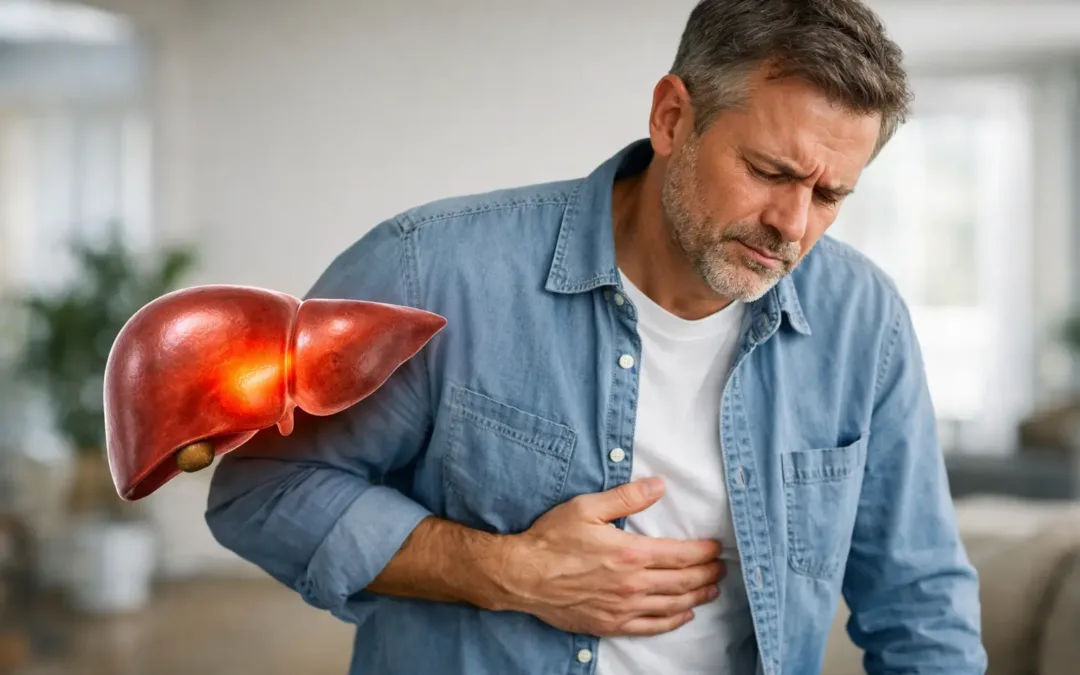
A liver problem can build quietly while you are still working, training, and handling everyday life. That is why liver health warning signs men notice - lower energy, a growing waistline, stomach discomfort, or changes in urine and stool - deserve attention instead of a quick explanation or a wait-and-see approach. The liver has a major role in processing nutrients, managing blood sugar, filtering substances, and supporting hormone balance. When it is under strain, the effects can show up well beyond the abdomen.
Many liver conditions are highly manageable, especially when caught early. The goal is not to panic over every symptom. It is to recognize patterns, understand your risk, and get a straightforward medical evaluation when something is off.
Why liver health matters for men
Your liver handles more than 500 essential jobs. It helps process alcohol and medications, stores and releases energy, makes proteins involved in blood clotting, and helps regulate fats in the bloodstream. If you are focused on muscle, stamina, body composition, libido, or staying sharp at work, liver health is part of the foundation.
Men can be especially vulnerable to liver stress when several common factors stack up: carrying excess abdominal fat, drinking heavily or regularly, having high triglycerides or type 2 diabetes, using certain medications, or taking unregulated supplements. Some men also delay routine care, which means a problem first identified on basic bloodwork can go unchecked for years.
Fatty liver disease, now often called metabolic dysfunction-associated steatotic liver disease, is a common concern. It can occur in men who drink little or no alcohol, particularly when insulin resistance and excess body fat are involved. It often has no obvious symptoms at first.
Liver health warning signs men should take seriously
Symptoms do not diagnose liver disease on their own. Indigestion, fatigue, and abdominal discomfort can have many causes. But if they are new, persistent, worsening, or happening together, they are worth discussing with a clinician.
Fatigue that does not match your routine
Feeling drained after a poor night of sleep is normal. Fatigue that sticks around despite adequate rest, better meals, or a lighter training week is different. Liver dysfunction can contribute to persistent low energy, although sleep apnea, low testosterone, depression, thyroid problems, anemia, and diabetes can do the same.
Pay attention if fatigue comes with declining exercise tolerance, brain fog, appetite changes, or unexplained weight loss. Do not assume it is simply part of getting older.
Pain, pressure, or fullness under the right ribs
The liver sits in the upper-right side of the abdomen. Some men with liver inflammation or enlargement report a dull ache, pressure, or sense of fullness there. Sharp or severe pain is less typical and may point to another abdominal issue, but it still warrants evaluation.
Bloating and a noticeably enlarged abdomen matter too, especially when they appear alongside ankle swelling or shortness of breath. In advanced liver disease, fluid can build up in the belly. That needs prompt medical attention.
Yellow eyes or skin
Yellowing of the whites of the eyes or skin is called jaundice. It happens when bilirubin, a yellow pigment, builds up in the body. Jaundice can be linked to liver disease, a blocked bile duct, gallstones, certain infections, or blood disorders.
This is not a symptom to manage with a cleanse, hydration challenge, or supplement. Contact a healthcare professional promptly, particularly if jaundice appears with fever, abdominal pain, confusion, or vomiting.
Dark urine or pale stools
Urine that looks tea-colored or cola-colored without an obvious explanation can be a warning sign, particularly with pale, gray, or clay-colored bowel movements. These changes can occur when bile is not moving normally through the liver and digestive system.
Dehydration can darken urine, and diet can change stool color, so context matters. Still, ongoing changes should be checked rather than ignored.
Itching, easy bruising, or swelling
Persistent itching without a clear skin cause can occur with bile flow problems. Easy bruising, frequent nosebleeds, or bleeding gums may develop when the liver is not making enough clotting proteins, though medications and blood conditions can also be responsible.
Swollen ankles, legs, or abdomen should also be taken seriously. These symptoms can involve the liver, heart, kidneys, or circulation, and they require a real assessment.
Mental changes or unusual confusion
Severe liver dysfunction can allow toxins to build up and affect the brain. New confusion, disorientation, major personality changes, slurred speech, extreme sleepiness, or hand tremors are urgent symptoms. They are not signs to sleep off or push through.
Risk factors that can raise the stakes
Symptoms are only half the picture. A man with no symptoms may still have fatty liver or early liver scarring, especially if his metabolic health is slipping. Consider your personal risk if you have a larger waist measurement, high blood pressure, high cholesterol or triglycerides, prediabetes, diabetes, or sleep apnea.
Alcohol deserves an honest look as well. The issue is not only whether you drink every day. Binge drinking, regular heavy weekends, and mixing alcohol with certain medications can all raise risk. If you have known liver disease, your clinician may recommend avoiding alcohol completely.
Be cautious with over-the-counter pain relievers and supplements. Acetaminophen can be safe at recommended doses, but taking too much or combining it with heavy alcohol use can seriously damage the liver. “Natural” testosterone boosters, fat burners, muscle-building products, and herbal blends are not automatically safe either. Some have undisclosed ingredients or compounds that can injure the liver.
Viral hepatitis is another consideration. Hepatitis B and C can damage the liver for years without clear symptoms. Testing may be appropriate based on your age, past exposure risks, sexual history, injection drug use, tattoos or piercings done in unregulated settings, or abnormal liver tests.
When to seek urgent care
Call emergency services or seek emergency care for yellowing of the eyes or skin with severe abdominal pain, vomiting blood, black tar-like stools, fainting, new confusion, severe weakness, or a rapidly swelling abdomen. These can signal bleeding, serious infection, or advanced liver complications.
For less urgent but persistent concerns, schedule a primary care visit. A clinician can review alcohol intake, medications, supplements, medical history, and family history. Basic blood tests often include liver enzymes, bilirubin, albumin, and clotting measures. Depending on the results, you may need screening for hepatitis, an ultrasound, or other imaging.
One key point: normal liver enzymes do not guarantee a perfectly healthy liver, and elevated enzymes do not automatically mean severe disease. Results need to be interpreted alongside your overall health, weight, medications, alcohol use, and symptoms.
What you can do now to support your liver
The most effective liver plan is usually not dramatic. If excess weight is part of the issue, gradual weight loss can reduce liver fat and improve metabolic markers. Even a modest, sustained reduction can make a meaningful difference. Crash diets are not the answer, particularly if they lead to rebound weight gain.
Build meals around protein, vegetables, fruit, high-fiber carbohydrates, and unsaturated fats, while cutting back on sugary drinks, heavily processed snacks, and oversized portions. Regular training helps too. Combine strength work with aerobic activity to improve insulin sensitivity, preserve muscle, and support body-fat loss.
If alcohol is affecting your sleep, waistline, training recovery, mood, or lab results, take a break and reassess. For some men, moderation may be reasonable. For others, especially those with liver disease or difficulty controlling intake, avoiding alcohol is the safer call.
Finally, bring every prescription, over-the-counter medication, and supplement to your next appointment. That includes workout powders, hormone products, and “detox” formulas. A smart health strategy is not about proving you can tolerate more stress. It is about removing the stressors that keep your body from performing at its best.
Your liver rarely demands attention early, which makes proactive action a strength. If you recognize several warning signs or have risk factors that have been building for years, get checked now and give yourself a clearer path to stronger energy, better training, and long-term health.
This article contains general information about medical conditions and treatments. The information is not advice, and should not be treated as such. Click here for further information.