Managing Kidney Health: A Guide to Kidney Disease & Kidney Failure
Embark on a journey to understand and protect your kidney health with this comprehensive guide. We'll explore kidney disease and kidney failure, providing insights into managing these conditions for a better quality of life.
Understanding Kidney Health
What are Kidneys and Their Functions?
Your kidneys are bean-shaped organs that filter waste and excess fluid from your blood. Think of them as the body's ultimate cleaning crew! They maintain the delicate balance of salts and minerals in your blood, helping control blood pressure and producing hormones for bone health and red blood cell production. This amazing kidney function is essential for overall health.
Importance of Kidney Health
Maintaining optimal kidney health is crucial for your overall well-being. When your kidneys aren't working correctly, waste builds up in your body, leading to various health problems. Protecting your kidney function can prevent chronic kidney disease (CKD) and kidney failure. Remember, healthy kidneys mean a healthier, happier you, so start prioritizing your kidney health today!
Common Kidney Diseases
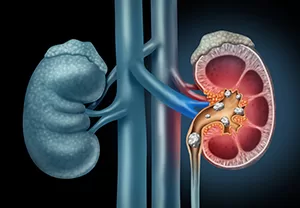 Several kidney diseases can impact kidney function. These include chronic kidney disease, kidney stones, infections, and glomerular diseases. Diabetes and high blood pressure are significant risk factors that can cause kidney damage and eventually lead to kidney problems. Early detection and management are key to slowing the progression of the disease and preserving kidney health
Chronic Kidney Disease (CKD)
Stages of Chronic Kidney Disease
Chronic kidney disease (CKD) progresses through five stages, each indicating a decline in kidney function, measured by the glomerular filtration rate (GFR). Early stages may have minimal symptoms, while later stages can lead to kidney failure. Managing CKD involves slowing the progression of the disease through lifestyle changes and medical interventions, such as managing high blood pressure.
Symptoms and Diagnosis
Early signs of kidney disease are often subtle, but some common symptoms include fatigue, swelling in the ankles and feet, changes in urinary habits, and high blood pressure. Diagnosis typically involves a blood test to assess kidney function and a urine test to check for albumin. Early detection is critical for effectively managing kidney disease and preventing kidney failure.
Managing Chronic Kidney Disease
Managing chronic kidney disease requires a multifaceted approach. It involves lifestyle changes like healthy eating and physical activity, blood pressure control, and diabetes management. People with kidney issues should collaborate with a health care provider and possibly a registered dietitian to create a kidney-friendly plan. In advanced stages, treatment options may include dialysis or a kidney transplant.
Kidney Failure: What You Need to Know
Causes of Kidney Failure
Kidney failure, the final stage of chronic kidney disease, can arise from various causes. Diabetes and high blood pressure are the leading causes of kidney failure. Other contributors include glomerular diseases, kidney infections, and blockages in the urinary tract. Understanding these risk factors is vital for preventing kidney failure. Identifying and addressing the cause of kidney failure is crucial for managing kidney conditions.
Symptoms of Kidney Failure
As kidney failure progresses, symptoms become more pronounced. These can include severe fatigue, persistent swelling, nausea, loss of appetite, and difficulty breathing. Changes in urinary habits, such as reduced urine output, are also common. It's important to monitor these signs of kidney distress and seek medical attention promptly. Early detection and intervention can significantly impact the course of the disease.
Treatment Options for Kidney Failure
When kidney failure occurs, treatment options are limited but essential for survival. Dialysis is a life-sustaining procedure that filters waste and excess fluid from the blood when the kidneys can no longer function adequately. A kidney transplant offers the potential for a more normal life, but requires a suitable donor and lifelong immunosuppressant medications. People with kidney failure need comprehensive care to manage symptoms and improve quality of life.
Risk Factors for Kidney Disease
Diabetes and Its Impact on Kidney Health
Diabetes is a major risk factor for chronic kidney disease. Over time, high glucose levels can damage the blood vessels in the kidneys, impairing their ability to filter waste effectively. Effectively managing diabetes through diet, exercise, and medication is crucial for protecting kidney health. Consistent monitoring of blood sugar levels and working closely with a health care provider can help minimize kidney damage.
Hypertension as a Risk Factor
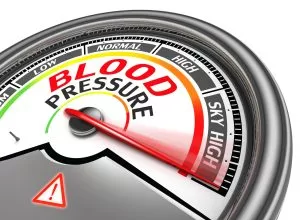
High blood pressure is another significant risk factor for kidney disease. Uncontrolled hypertension can damage the delicate blood vessels in the kidneys, reducing kidney function. Maintaining a blood pressure goal through lifestyle changes and medication is essential for managing kidney health and preventing kidney failure. Regular monitoring and proactive management are key to protecting your kidney
Other Contributing Factors
Besides diabetes and high blood pressure, several other factors can increase your risk of developing kidney disease. These include a family history of kidney problems, kidney stones, recurrent urinary tract infections, and certain medications. Quitting smoking and maintaining a healthy lifestyle can also significantly improve your kidney health. If you have any of these risk factors, talk to your health professional about strategies for protecting your kidney function.
Preventing Kidney Disease
Maintaining a Healthy Weight
Maintaining a healthy weight is a crucial aspect of protecting your kidney health. Obesity can increase the risk of diabetes and high blood pressure, two leading causes of kidney disease. By achieving and maintaining a healthy weight through balanced nutrition and physical activity, you can significantly reduce the risk factors of developing kidney damage and improve your kidney function, promoting overall health.
Importance of Physical Activity
 Physical activity can help manage kidney disease by improving overall health. Regular exercise helps control blood pressure and blood glucose levels, reducing the risk factors associated with chronic kidney disease and kidney failure. Incorporating physical activity into your daily routine can also improve your kidney function and promote a kidney-friendly lifestyle. This is a valuable addition to the lifestyle changes someone can make.
Kidney-Friendly Eating Plans
Adopting kidney-friendly eating plans is essential for preventing and managing kidney disease. These plans typically involve limiting sodium, phosphorus, and potassium intake to reduce the workload on your kidneys. Consult with a registered dietitian to create a personalized kidney-friendly diet that supports your kidney health and helps prevent the progression of the disease, making a positive impact on managing kidney disease.
Monitoring Your Kidney Health
Regular Check-Ups and Tests
Regular check-ups and tests are vital for early detection of kidney problems. People with kidney disease often show minimal symptoms in the early stages, making routine monitoring essential. Blood tests to measure glomerular filtration rate (GFR) and urine tests to check for albumin can indicate kidney function and help identify potential issues early. Early detection will support managing kidney disease.
Understanding Your Urinary Health
Understanding your urinary health is an important component of kidney health. Changes in urinary habits, such as increased frequency, urgency, or decreased urine output, can be signs of kidney problems. Monitor your urine for any unusual changes in color, odor, or the presence of blood. Any irregularities should prompt a visit to your health care provider to assess your kidney function and overall health.
When to Seek Medical Attention
It's crucial to seek medical attention if you experience persistent symptoms that could indicate kidney issues. Early signs of kidney disease include swelling, fatigue, changes in urination, and high blood pressure. Ignoring these symptoms can lead to kidney damage and progression of the disease. If you have risk factors such as diabetes or high blood pressure, proactively managing kidney health and early detection are key.
Support and Resources for Managing Kidney Disease
Community Resources and Support Groups
Community resources and support groups can provide valuable assistance for people with kidney disease. Connecting with others who understand what you're going through can offer emotional support, practical advice, and a sense of community. These resources can also provide information about managing kidney disease, treatment options such as dialysis or a kidney transplant, and lifestyle changes.
Educational Materials and Online Resources
Numerous educational materials and online resources are available to help you learn more about kidney health. Reliable websites, informative brochures, and online courses can provide valuable insights into kidney function, chronic kidney disease, and managing kidney disease. These resources often cover topics such as kidney-friendly diets, managing risk factors like diabetes and high blood pressure, and treatment options.
Professional Guidance and Counseling
Seeking professional guidance and counseling is an integral part of managing kidney disease. Working with a health care provider, nephrologist, and registered dietitian can provide personalized care tailored to your specific needs. They can help you develop a kidney-friendly plan, manage medications, and provide emotional support. Regular check-ins and professional advice can significantly improve your kidney health.
Q: What are some common lifestyle habits that can harm your kidneys?
A: Some lifestyle habits that can harm your kidneys include high blood pressure, excessive alcohol consumption, smoking, and a diet high in sodium and processed foods. Taking steps to improve these habits can help protect your kidney health.
Q: How does glucose affect kidney health?
A: High levels of glucose in your blood can damage the kidneys over time, especially if you have diabetes. It’s super important to manage your blood sugar levels to keep your kidneys healthy and filter waste from your blood effectively.
Q: Can kidney stones affect my kidney function?
A: Yes, kidney stones can cause pain and can lead to infections or blockages, which might affect how well the kidneys are filtering waste. If you’ve had kidney stones, it’s a good idea to talk to your primary care provider about prevention strategies.
Q: What is dialysis and when is it necessary?
A: Dialysis is a treatment that helps filter waste from your blood when your kidneys aren’t doing their job properly. It’s necessary when kidney function has declined to a level where it can no longer keep you healthy, often when the kidneys are functioning at less than 15%.
Q: How can I learn more about healthy lifestyle choices for kidney health?
A: You can discover how lifestyle changes can benefit your kidneys by consulting with a dietitian who specializes in renal health. They can help you create treatment plans that focus on a healthy diet, maintaining a healthy body weight, and other good choices.
Q: What measures can I take to protect my kidneys?
A: To protect your kidneys, consider adopting a low-sodium diet, staying hydrated, managing your blood pressure, and maintaining a healthy body weight. Regular check-ups can also help monitor how well the kidneys are performing.
Q: What does creatinine levels indicate about kidney health?
A: Creatinine levels measure how well the kidneys are filtering waste. High levels can indicate that your kidneys aren’t functioning as they should, so it’s important to keep an eye on these levels through regular blood tests.
Q: Can high blood pressure really damage my kidneys?
A: Absolutely! High blood pressure can damage the blood vessels in your kidneys, making it harder for them to filter waste effectively. It’s crucial to manage your blood pressure to maintain kidney health.
Q: Is it possible for kidney disease to get worse over time?
A: Yes, kidney disease can get worse over time if not managed properly. Early detection and lifestyle changes are key to preventing further damage and maintaining kidney function.
This article contains general information about medical conditions and treatments. The information is not advice, and should not be treated as such. Click here for further information.