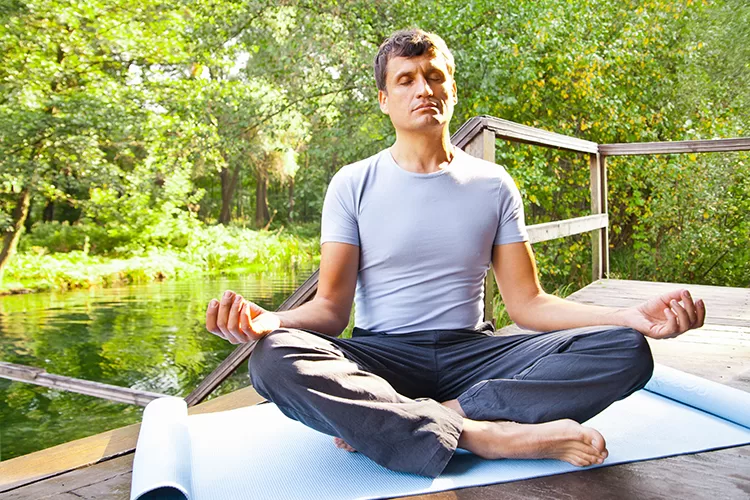
Meditation Practice: Benefits for Your Mental & Physical Health
In today's fast-paced world, finding moments of calm and mental clarity can feel like searching for a unicorn riding a bicycle. But fear not! Meditation practice offers a practical and accessible route to enhance your mental and physical health. From reducing stress and anxiety to boosting your overall well-being, the benefits of meditation are vast and well-documented. So, let's dive into the wonderful world of meditation and discover how it can transform your life. Prepare to meet your inner zen master!
Understanding Meditation
Meditation, a practice as old as time itself (probably), is more than just sitting cross-legged and humming. It's a powerful tool for cultivating mindfulness, achieving relaxation, and improving mental clarity. Think of it as a mental spa day, where you get to declutter your mind and emerge feeling refreshed and revitalized. Through consistent meditation, you can train your mind to be more present, less reactive, and ultimately, calmer. This is your chance to become a master of your own mental domain!
What is Meditation?
At its core, meditation is a practice that encourages you to train your mind to focus and redirect your thoughts. It's not about emptying your mind completely (good luck with that!), but rather about observing your thoughts and feelings without judgment. Mindfulness and meditation go hand in hand, helping you to be more aware of the present moment and less caught up in worries about the past or future. Many people use a meditation app to start meditating. With regular meditation, you're essentially giving your brain a workout, building resilience and mental strength.
How to Meditate Effectively
Now, let's get down to the nitty-gritty: How do you actually meditate effectively? First, find a quiet space where you won't be disturbed. Then, get comfortable, whether that's sitting on a cushion, lying down, or even sitting in a chair. Close your eyes and bring your attention to your breath. Notice the sensation of your breath as it enters and leaves your body. When distractions arise (and they will), gently redirect your attention back to your breath. Remember, it's not about perfection, it's about progress. Regular practice will help you deepen your meditation time.
Different Meditation Techniques
The world of meditation techniques is vast and varied, offering something for everyone. Mindfulness meditation, one of the most popular types of meditation, focuses on bringing awareness to your thoughts, feelings, and sensations without judgment. Guided meditation involves listening to a teacher or meditation app guide you through a meditation session, which can be particularly helpful for beginners. Transcendental meditation uses a mantra to help quiet the mind. You can even try walking meditation, where you focus on the sensation of your feet as you walk. The key is to find a type of meditation that resonates with you and incorporate meditation into your daily routine.
Benefits of Meditation for Mental and Physical Health
Enhancing Clarity and Focus
One of the most significant benefits of meditation is its ability to enhance mental clarity and focus. In our hyper-connected world, distractions are everywhere, constantly vying for our attention. Regular meditation helps to quiet the mental chatter, allowing you to approach tasks with a clear and focused mind. Through consistent meditation, you can train your brain to filter out distractions and concentrate on the task at hand. The benefits of meditation extend far beyond the meditation session itself, improving your productivity and decision-making skills in all aspects of life.
Calming the Mind and Reducing Stress
Stress and anxiety are unwelcome guests in many of our lives, but meditation can help show them the door. Meditation practice is a powerful tool for calming your mind and reducing stress. By focusing on your breath and cultivating mindfulness, meditation can help you to release tension and find inner peace. Meditation can also lower cortisol levels, the hormone associated with stress, leading to a greater sense of calm and relaxation. Guided meditation can be particularly effective for beginners, offering a supportive and structured approach to calming the mind. Mindfulness and meditation are helpful.
Improving Attention Span and Emotional Well-being
In addition to reducing stress, meditation can significantly improve your attention span and emotional well-being. Regular meditation strengthens the brain regions associated with focus and concentration, making it easier to stay present and engaged. Meditation helps you cultivate emotional resilience, allowing you to navigate life's challenges with greater ease and equanimity. The emotional benefits of meditation are profound, leading to increased self-awareness, improved mood, and a greater sense of overall well-being. Meditation for men and women works the same way, bringing more mindfulness to the mind and body.
Starting Your Meditation Practice
Meditation Tips for Beginners
New to meditation? Fear not, intrepid meditator! One of the key meditation tips for beginners is to start small. You don't need to sit for hours to experience the benefits of meditation; even five or ten minutes a day can make a difference. Find a quiet space where you won't be disturbed, and get comfortable. Remember, consistent meditation is more important than duration. If your mind wanders, gently bring your attention back to the sensation of your breath. Be patient with yourself, and celebrate your progress, no matter how small.
Incorporating Meditation into Daily Life
Incorporating meditation into daily life doesn't have to be a chore. Think of it as a mental vitamin you take each day to boost your well-being. Find small pockets of time throughout your day where you can steal a few moments for mindfulness. Maybe it's during your morning coffee, on your lunch break, or before bed. You can even try mindful walking meditation during your commute. The key is to weave meditation into the fabric of your daily routine, making it a seamless and sustainable practice.
Using Meditation Apps for Guidance
In the age of technology, there's a meditation app for everything, from guided meditation to sleep stories. These apps can be particularly helpful for beginners, offering structured meditation sessions and expert guidance. Many apps offer a variety of meditation techniques, allowing you to explore different styles and find what resonates with you. Don't be afraid to experiment with different apps and features until you find one that suits your needs. Remember, the goal is to enhance your meditation practice, not to become addicted to your phone!
Targeted Meditation: Meditation for Men
Benefits of Meditation for Men
Meditation for men can be a game-changer. In a world that often tells men to suppress their emotions, meditation offers a safe and supportive space to explore and process feelings. The benefits of meditation for men include reduced stress and anxiety, improved focus, and increased emotional resilience. Meditation can also enhance self-awareness and promote better communication skills, leading to healthier relationships. Taking care of men's health is important, and meditation can really help.
Challenges Men Face in Meditation
Men may face unique challenges when they start meditating. Societal expectations can make it difficult for men to embrace vulnerability and stillness. Some men may struggle with the perceived lack of productivity or the fear of appearing weak. The key is to approach meditation with an open mind and a willingness to challenge these limiting beliefs. Remember, meditation is not about emptying your mind; it's about cultivating mindfulness and self-awareness, which are strengths, not weaknesses.
How to Start Meditating as a Man
So, how do you start meditating as a man? Begin by finding a quiet space where you can relax without distractions. Mindfulness and meditation can start with focusing on your breath, noticing the sensation of your breath as it enters and leaves your body. If your mind wanders (and it will), gently redirect your attention back to your breath. Regular practice will help you deepen your meditation time. Remember, it's not about perfection, it's about progress. Be patient with yourself, and celebrate your journey toward inner peace and well-being.
Q: How does daily meditation help to calm your mind?
A: Daily meditation encourages you to sit quietly and focus on the present moment, which can significantly calm your mind. By training the mind to stay present, you reduce levels of stress and improve emotional regulation.
Q: Can meditation help with insomnia?
A: Absolutely! Practicing mindfulness through meditation can improve the quality of sleep by calming the mind and reducing the stress hormone levels that often keep you awake at night.
Q: What are the physical health benefits of meditation?
A: Meditation can make a world of difference for your body! It helps to reduce blood pressure, decrease symptoms of chronic pain, and even supports mental health by decreasing symptoms of depression.
Q: How does visualization in meditation work?
A: Visualization involves sitting quietly and imagining a peaceful scene or desired outcome, which can enhance relaxation and create a positive mental state. This technique is a fantastic way to train the mind for success and peace.
Q: Can practicing mindfulness really improve self-control?
A: Yes, indeed! Mindfulness training through meditation can enhance self-control by helping you become more aware of your thoughts and impulses, allowing you to respond rather than react.
Q: How often should I meditate to feel the benefits?
A: While there's no one-size-fits-all answer, incorporating daily meditation into your routine, even for just a few minutes, can yield significant benefits for both your mental and physical health.
Q: Is there a specific time of day that's better for meditation?
A: The best time to meditate is when you can consistently calm your mind without interruptions. Some prefer morning meditation to start the day fresh, while others find evening sessions help them unwind.
Q: Can meditation help me manage stress?
A: Yes, meditation is a powerful tool for managing stress! By practicing mindfulness, you learn techniques to reduce stress and improve your emotional regulation, helping you face challenges with a calm demeanor.
Q: What if I find it hard to sit quietly during meditation?
A: It's perfectly normal! Meditation can be a challenge at first, but with practice, you'll train your mind to embrace the stillness. Start with short sessions and gradually build up as you develop your focus.
This article contains general information about medical conditions and treatments. The information is not advice, and should not be treated as such. Click here for further information.