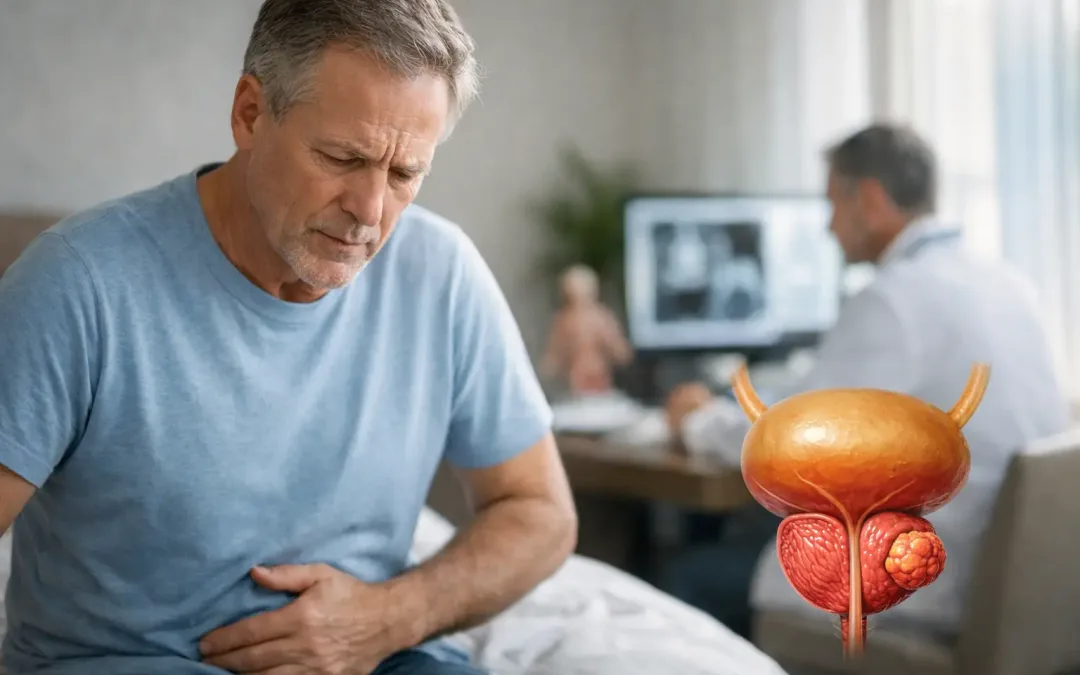
A lot of men assume prostate cancer always announces itself with obvious symptoms. That is the first problem. In many cases, the early signs of prostate cancer in men are subtle, easy to brush off, or not present at all. That is why paying attention to changes in urination, sexual function, and pelvic comfort matters - especially as you get older.
The prostate is a small gland below the bladder that helps produce semen. As men age, it commonly enlarges, and that alone can cause bathroom-related symptoms. The catch is that some prostate cancer symptoms can look a lot like benign prostate enlargement or even a temporary infection. You cannot diagnose the difference by guesswork, and that is exactly why early attention matters.
Why the early signs of prostate cancer in men can be easy to miss
Prostate cancer often grows slowly, especially in its early stages. Some men feel completely normal and only find out through a routine PSA blood test or a digital rectal exam. Others notice mild symptoms but chalk them up to aging, stress, too much coffee, or getting up more at night because they drank water late.
That gray area is where men lose time. A weaker urine stream or more frequent nighttime trips to the bathroom does not automatically mean cancer. In fact, it usually does not. But persistent changes deserve a closer look, because waiting for severe pain or dramatic symptoms is not a smart strategy.
Common early signs of prostate cancer in men
One of the most common early clues is a change in urination. You may notice a weaker flow, trouble starting urination, or a feeling that your bladder is not fully emptying. Some men find themselves using the bathroom more often, especially at night. Others feel sudden urgency or have to strain to get urine out.
Blood in the urine can also be a warning sign, although it is less common. Even a small amount is worth taking seriously. Blood can come from several causes, including infection, stones, or prostate issues, but it should never be ignored.
Some men notice blood in semen. That can happen for noncancer reasons too, including inflammation, but it still warrants medical evaluation. If it happens once, you do not need to panic. If it repeats or comes with other symptoms, get it checked.
Sexual changes can sometimes show up early as well. Erectile dysfunction is common and often tied to circulation, stress, diabetes, hormones, or medication side effects. Still, in some cases, changes in erectile function can overlap with prostate problems. On its own, ED is not a reliable sign of prostate cancer, but alongside urinary changes, it adds to the picture.
Discomfort in the pelvic area, lower back, hips, or upper thighs can occur, although these symptoms are more often associated with more advanced disease or with noncancer causes like muscle strain and arthritis. That is the tricky part. A symptom does not have to be dramatic to matter, but it also does not automatically point to cancer.
Symptoms that are often confused with less serious prostate issues
Benign prostatic hyperplasia, or BPH, is one of the biggest reasons men get confused. BPH is a noncancerous enlargement of the prostate that becomes more common with age. It can cause weak urine flow, dribbling, urgency, and frequent urination. Those are also some of the same changes that can show up with prostate cancer.
Prostatitis is another common imitator. This is inflammation of the prostate, sometimes caused by infection. It can lead to pelvic pain, painful urination, discomfort during ejaculation, and urinary frequency. In younger and middle-aged men, prostatitis is often more likely than prostate cancer, but that does not mean self-diagnosis is a good idea.
This is where a lot of men get stuck. They search symptoms online, decide it is probably just aging, and move on. A better move is to treat persistent changes as useful data. You do not need to assume the worst, but you do need to stop ignoring your body.
When symptoms may not appear at all
One of the most important facts about prostate cancer is that early-stage disease may cause no symptoms. A man can feel strong, train regularly, have a normal sex drive, and still have an abnormal screening result. That is why screening conversations matter, especially for men over 50 and for men at higher risk.
Risk is not the same for everyone. Age is the biggest factor, with most cases occurring in older men. Family history matters too, especially if a father or brother had prostate cancer. Black men also face a higher risk of developing prostate cancer and are more likely to develop aggressive forms of it.
If you fall into one of those higher-risk groups, waiting for symptoms is a weak plan. A simple conversation with your doctor about PSA testing may catch a problem before it causes obvious issues.
When to see a doctor
If you notice urinary changes that last more than a couple of weeks, blood in urine or semen, new pelvic discomfort, or unexplained sexual changes, make an appointment. The same applies if symptoms come and go but keep returning. You are not overreacting by getting checked.
A doctor may ask about your symptoms, medical history, family history, and medications. They may do a PSA blood test, a urine test, and a digital rectal exam. Depending on what turns up, they may recommend imaging or a prostate biopsy.
Not every elevated PSA means cancer. PSA can rise from BPH, prostatitis, recent ejaculation, cycling, or even recent prostate irritation. That is why one test result is not the whole story. Your doctor looks at patterns, risk factors, symptoms, and follow-up testing before making conclusions.
What to do if you notice early warning signs
Start by tracking exactly what is changing. How often are you waking up at night to urinate? Is your stream weaker than it was a few months ago? Are you feeling urgency, pain, or incomplete emptying? Specific details help your doctor a lot more than saying something feels off.
Do not try to push through it for months. Men are good at tolerating discomfort and bad at getting checked early. That mindset works in the gym. It does not work with your prostate.
It also helps to avoid assumptions. If you are over 40, it is easy to blame every change on age. Sometimes that is true. Sometimes it is not. The goal is not to become anxious about every symptom. The goal is to act early enough that you keep more options on the table.
Can you lower your risk?
No lifestyle move can fully prevent prostate cancer, but your daily habits still matter. Staying at a healthy weight, exercising regularly, managing blood sugar, eating a balanced diet, and not smoking all support better long-term health. Those habits may not guarantee protection, but they put you in a stronger position overall.
There is also a performance angle here. Men who stay on top of preventive care often maintain better energy, body composition, cardiovascular health, and sexual health as they age. Looking after your prostate is not separate from looking after the rest of your life. It is part of the same standard.
If you want practical men’s health education built around prevention and performance, Male Health Zone covers these issues in straightforward language without the usual awkwardness.
The bottom line on early signs of prostate cancer in men
The biggest mistake is waiting for a symptom that feels serious enough to count. Early signs can be mild, vague, or absent completely. A weak urine stream, nighttime urination, urgency, blood in urine or semen, and persistent pelvic changes are all reasons to pay attention.
You do not need to panic, and you do not need to play doctor on your phone. You do need to respect changes that stick around and have the conversation early. That simple move can protect your health, your options, and your future self.
This article contains general information about medical conditions and treatments. The information is not advice, and should not be treated as such. Click here for further information.